
 TRAVEL



 RECIPES WITH A STORY












 AUSTRIA-VIENNA







 SLOVAKIA-BRATISLAVA




 EVENTS







 INTERVIEWS

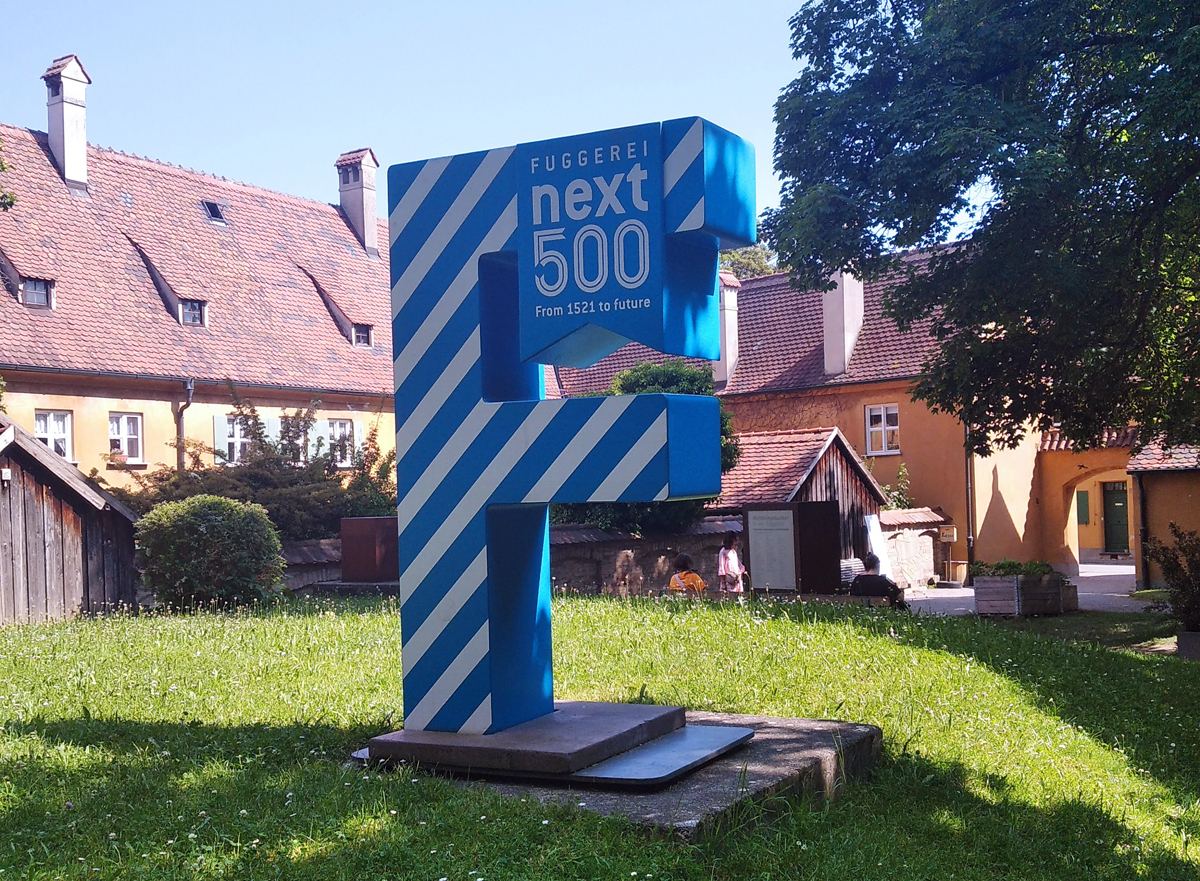
In the heart of Augsburg, Bavaria, there is a place that sounds like something out of a fairy tale. People who are down and out can live there for an annual rent that amounts to just a few cents. The Fuggerei, the oldest functioning social housing complex in the world, serves as an example even for the 21st century. It is also one of the city’s most popular tourist attractions.
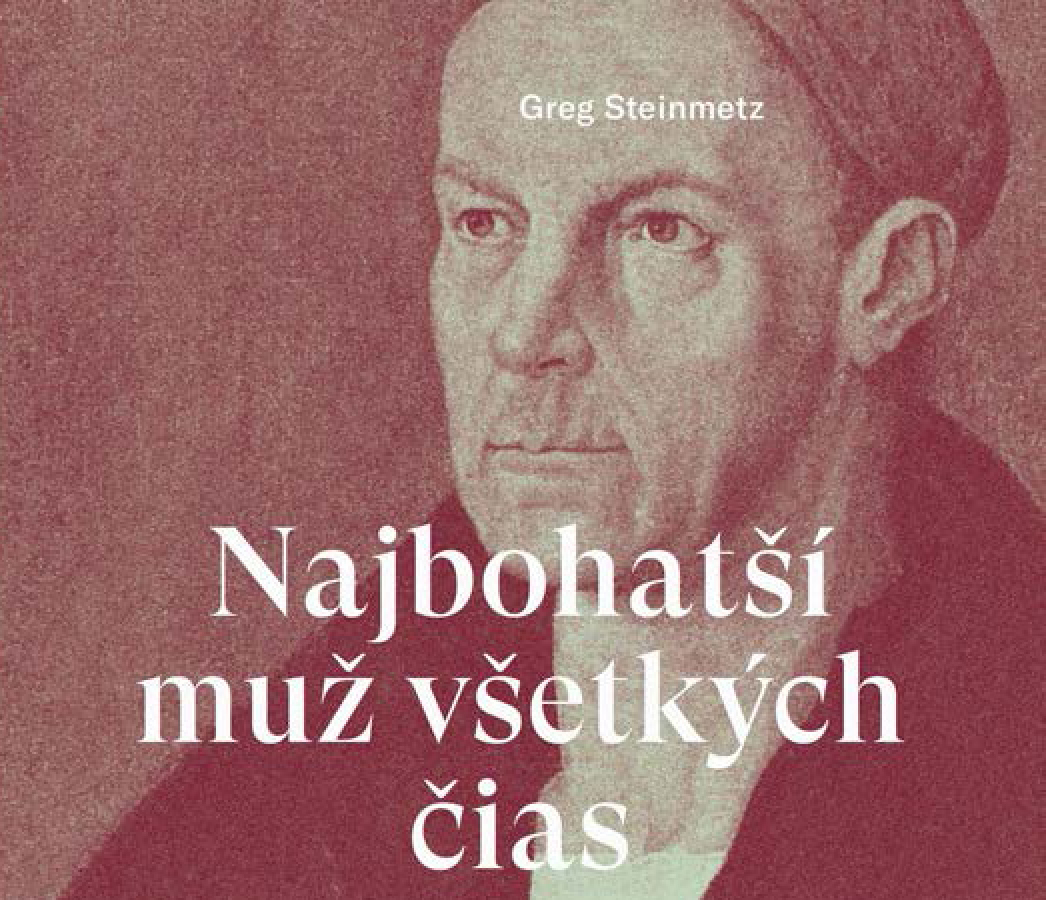
1. Jakob Fugger Was (Probably) the Richest Man of All Time
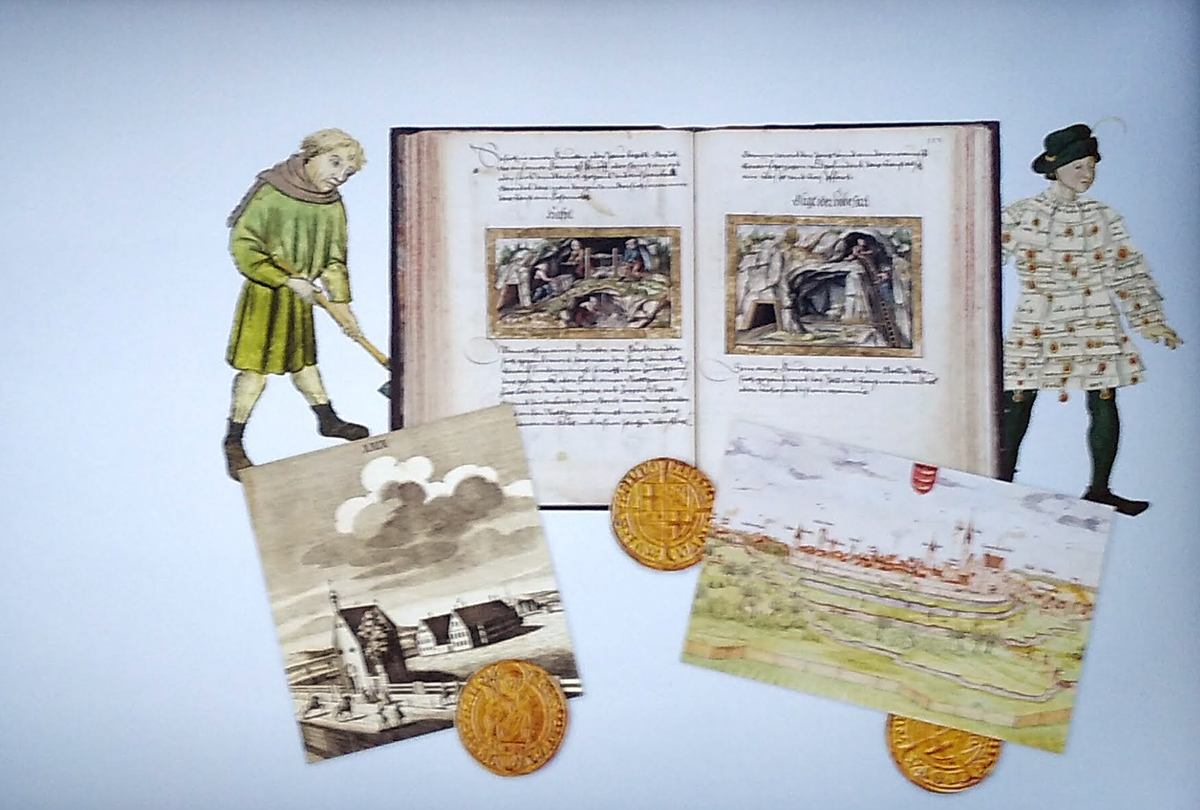
The first Fuggers moved to Augsburg in 1367. The family’s wealth was built primarily on income from the cotton trade. Their influence stretched from London to Venice, across the Alps to Hungary. They had a stake in precious metal mining, particularly in the Banská Bystrica region (now Slovakia), where they co-financed mines through the Turzo-Fugger Company and became the world’s largest copper producers at the time. The family business later benefited from the support of Emperors Charles V and Maximilian I of Habsburg as well as that of Popes Alexander VI, Julius II, and Leo X, to whom they provided funds for the construction of St. Peter’s Basilica and the decoration of the Sistine Chapel. Jakob Fugger (1459–1525), in particular, managed to amass a fortune during his lifetime that even today’s billionaires can only dream of.
2. The Fuggerei is over 500 Years Old
Despite his immense wealth, Jakob Fugger was not a miser. Since he had no children, he decided to create a place where the city’s poor could live with dignity for a purely symbolic rent. He signed the founding charter on August 23, 1521. Construction of the houses began in 1516, and today there are 67 buildings housing 140 apartments. The name Fuggerei has been in use since 1531.
3. Neither the Fuggers nor the City of Augsburg Own the Fuggerei
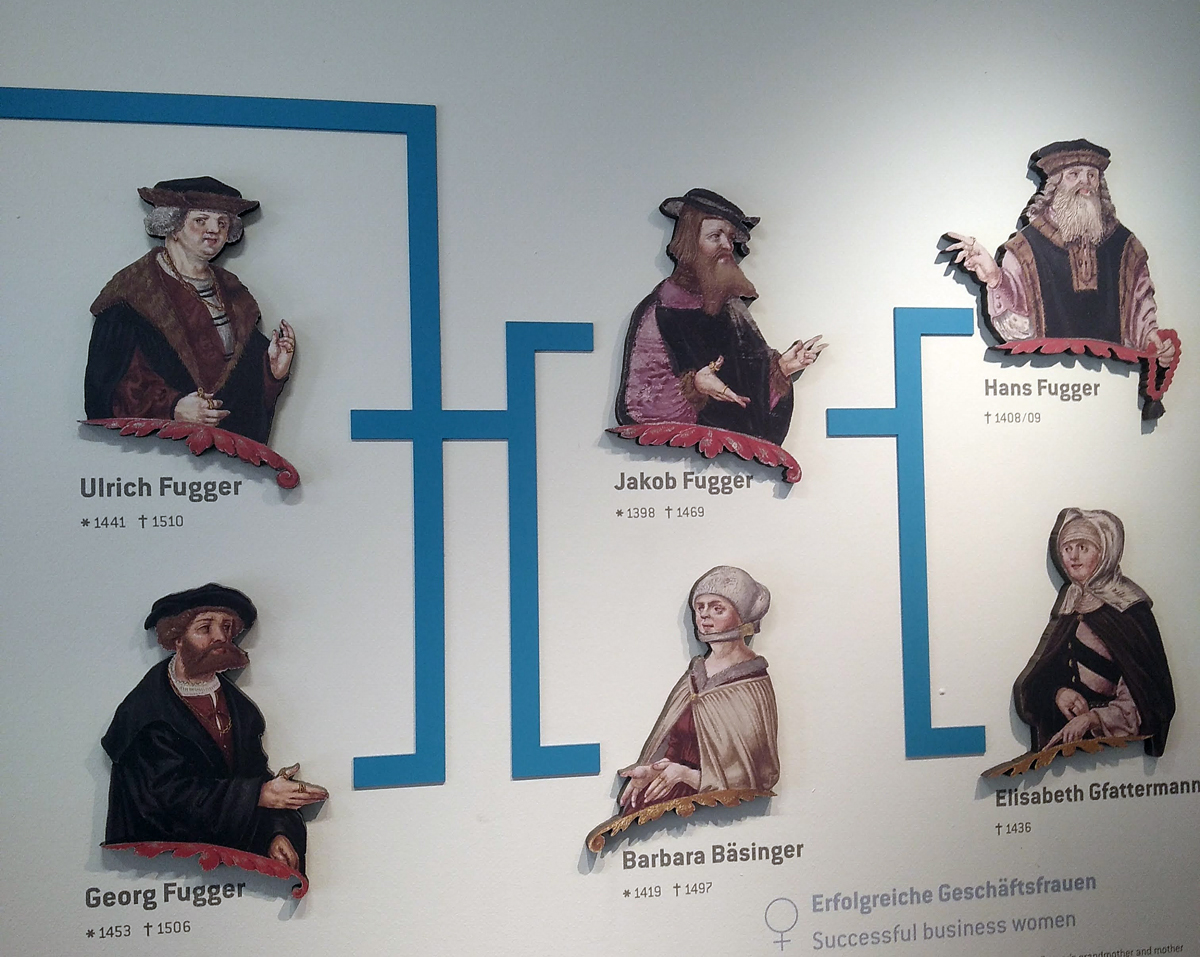
During the 16th century, nine major foundations were established on the initiative of family members; these are governed and administered by the family council and the Administration of the Fugger Princely and Countly Foundations. These entities are the actual owners of the Fuggerei today, not the descendants, of whom three lineages remain. All are connected to Jakob Fugger’s brother Georg. The Fugger Kirchberg branch descends from the elder son, Raymund, and the Fugger von Glött and Fugger Babenhausen branches from Anton. Each of them appoints its own representative to the board of trustees.
4. The Annual Rent Originally Cost one Reichsgulden
At the time when the Fuggerei was founded, the Reichsgulden was the most widely used currency and represented a local craftsman’s weekly wage. When the mark became the primary currency in the German states, it was adjusted to 1.72 gold marks at the end of the 19th century. In 1958, the rent was adjusted to 1.72 DM. After the transition to the euro in 2002, the amount was converted to the current 88 cents. However, Fuggerei residents are not exempt from paying for heat, electricity, and water. Currently, these costs amount to around 250 euros per month, which is significantly less than what is paid in the rest of the city.
5. The Fuggers Did Not Distinguish between Catholics and Protestants
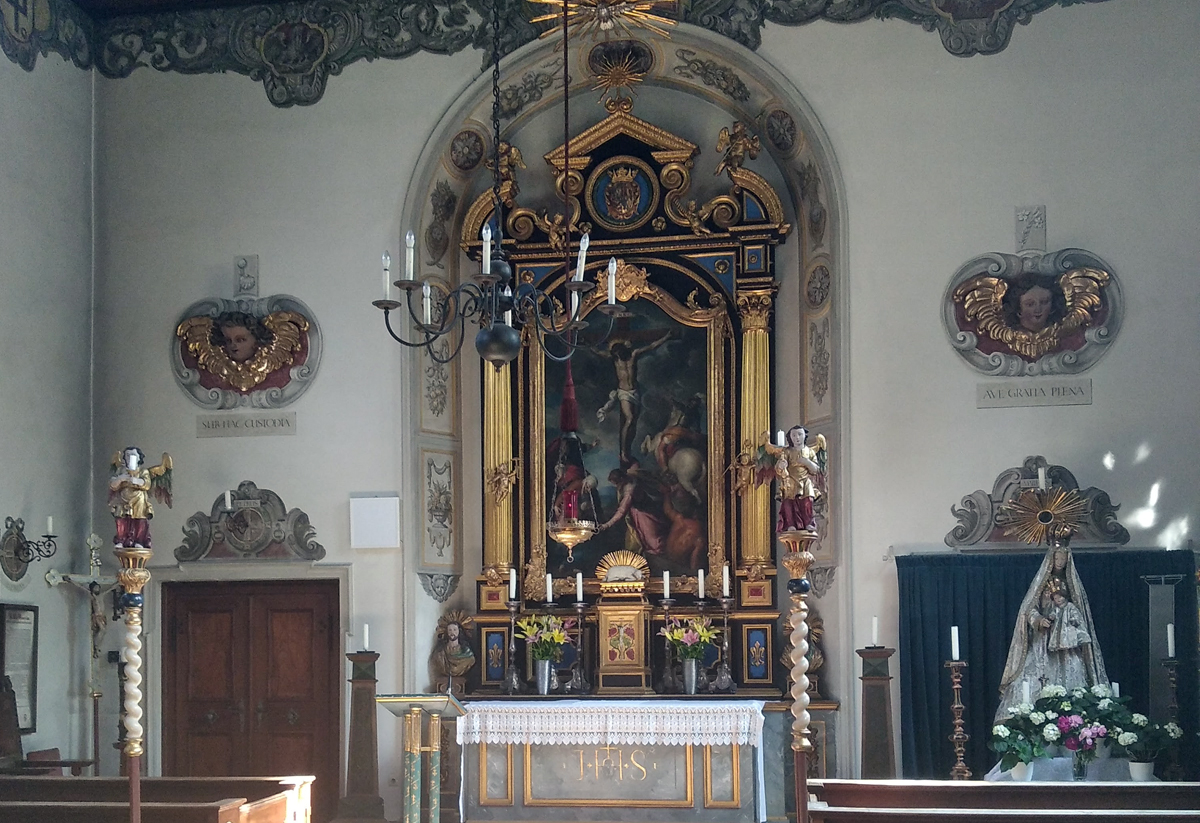
In the founding charter, the Fuggers stipulated that the residents pray for them three times a day, but they did not specify exactly when or where. Consequently, this was not enforced. It is assumed that the residents do so voluntarily. There is no requirement in the charter that a resident must be Catholic. The division of believers into Catholics and Protestants did not occur until after the Council of Trent (1545–1563), that is, long after the Fuggerei was established. However, Catholicism is implied by the fact that one of the three prescribed prayers, in addition to the Lord’s Prayer and the Creed, is the Hail Mary, which Protestants do not pray. Although the amount of the annual rent is known, it is rarely mentioned that residents also pay an additional 88 cents per year for the priest who celebrates Mass in the local chapel.
6. You Don’t Have to Be a Native of Augsburg to Get a Spot in the Fuggerei
One common myth about the Fuggerei is that applicants must have been born in Augsburg. However, eligibility is based solely on permanent residency. Far more important factors include financial hardship, having paid off debts, and a clean criminal record.
Until 1974, only married couples could apply for housing. An exception was made if, in the case of older applicants, a partner died during the approval process. For the past 50 years, single, childless individuals have also been able to apply for housing
7. Tenants in the Fuggerei do Not Receive a Furnished Apartment
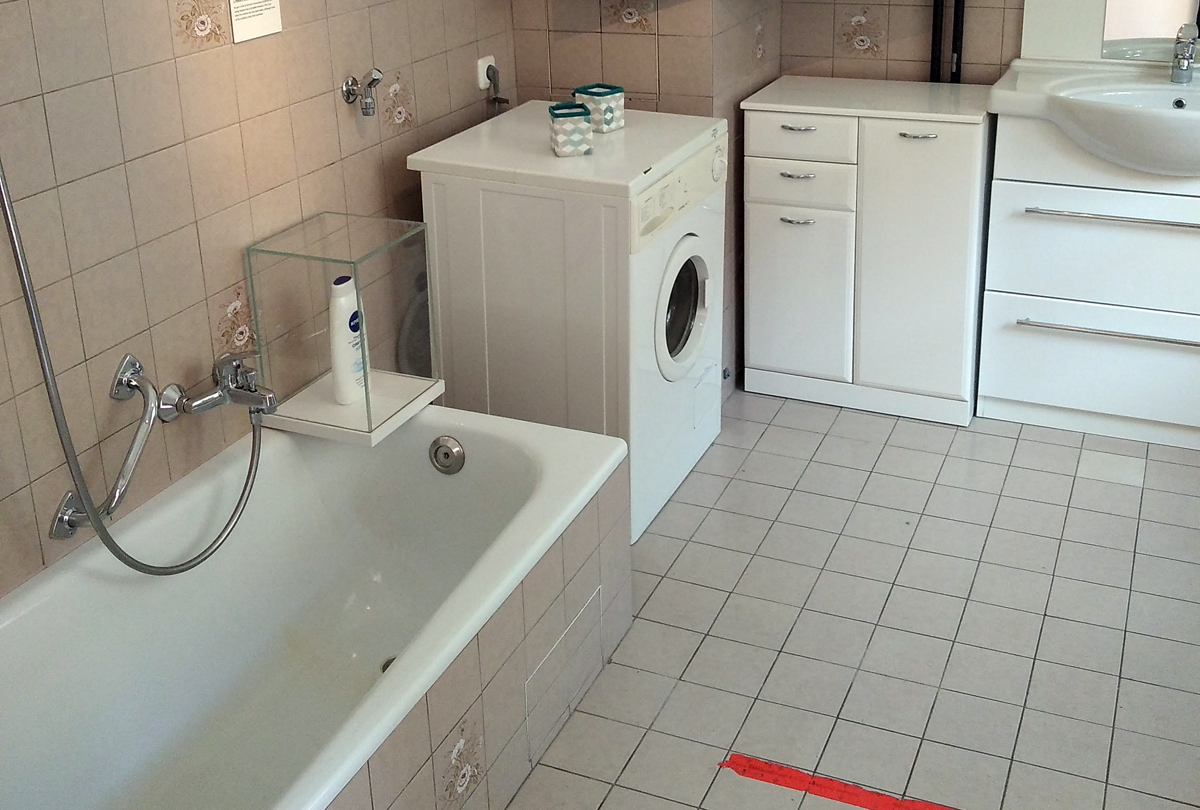
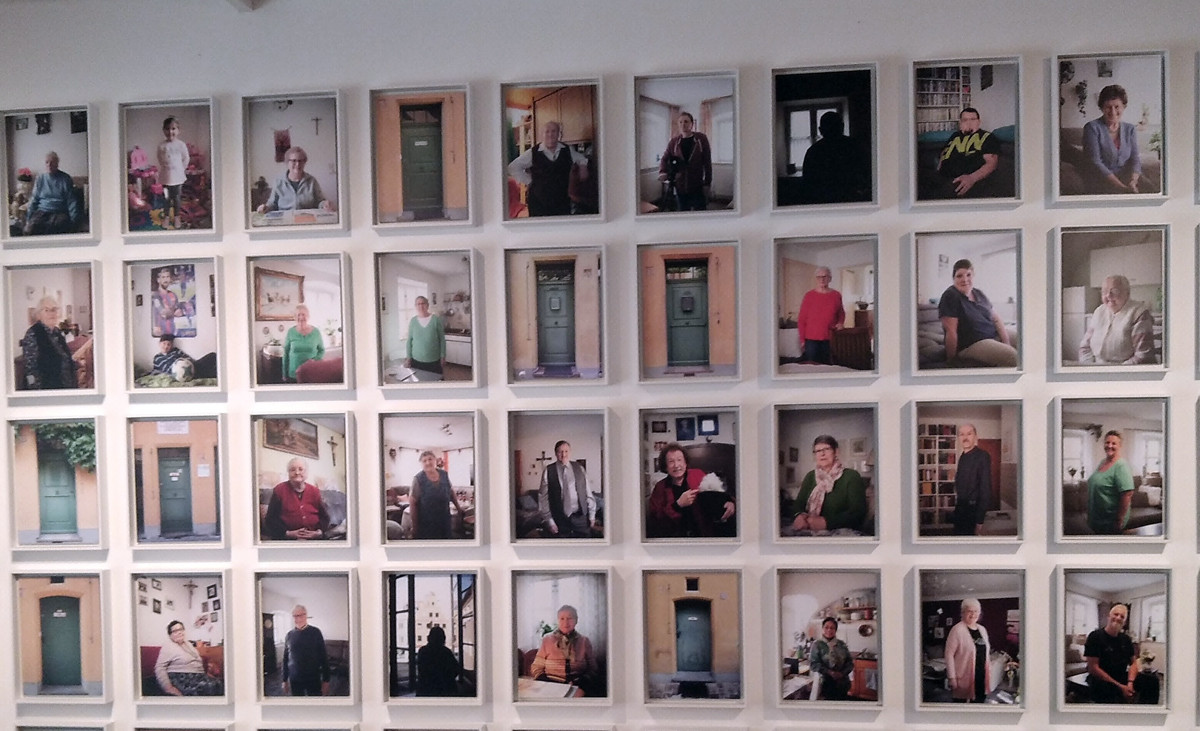
Each new tenant is provided with an empty apartment of approximately 60 m², which they must furnish themselves. Only a kitchen unit and a washing machine are provided. Interestingly, however, the use of televisions was not permitted until 1968. Visitors can see how the apartments have changed over the years in the museum section of the Fuggerei, which features model apartments with period furnishings.
8. The Fuggerei Closes at Night; Latecomers Must Pay a Fine
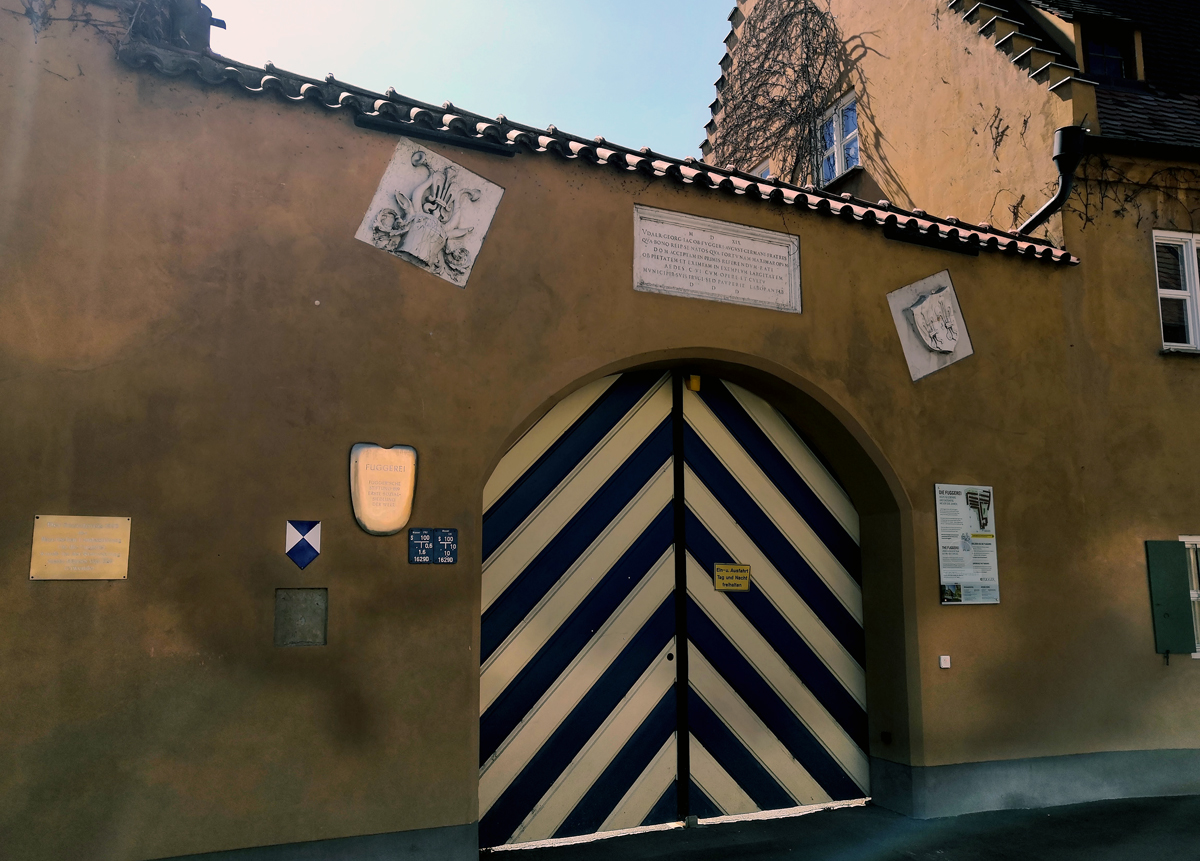
The Fuggerei has house rules stipulating that the complex closes at 10:00 p.m. Anyone arriving later must pay a 50-cent fine; after midnight, the fine is one euro. Volunteers from among the residents serve as guards at the gates.
9. Without the Fuggerei, the World Might Never Have Known Mozart
Over the course of 500 years, thousands of people have found a home in the Fuggerei. One of its most famous residents was Wolfgang Amadeus Mozart’s great-grandfather. The bricklayer Franz Mozart lived in the social housing complex from 1681 until his death in 1693. The virtuoso’s father, Leopold, was also born in Augsburg, which is why the city claims the title “Deutsche Mozartstadt” German Mozart´s City).
10. Actors Don’t Live in the Fuggerei, But They Do Show up There from Time to Time
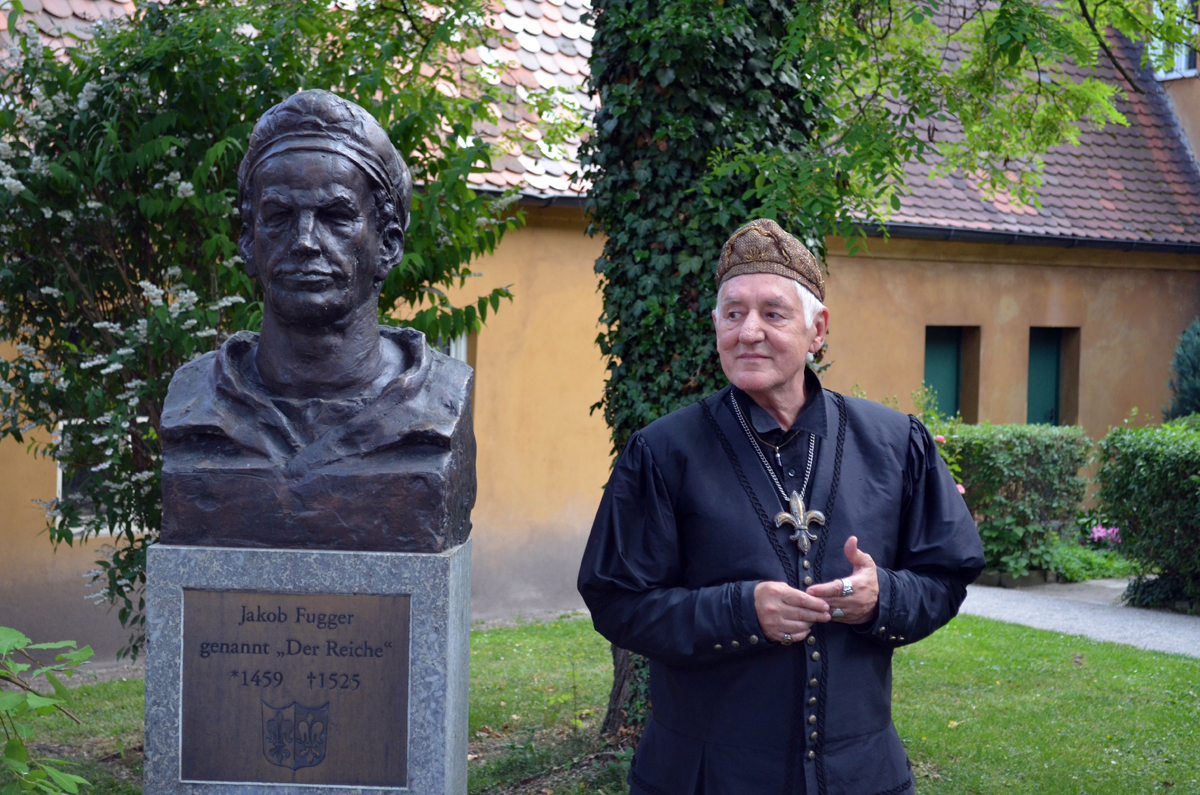
The Fuggerei isn’t an open-air museum with actors, but a living neighbourhood with real residents. Nevertheless, that doesn’t mean you can’t meet actors here. During events like the Long Night of Culture, which takes place at the end of June or beginning of July, it was once possible to encounter actor Heinz Schulan, who, dressed in a historical costume with a gold cap and robe, portrayed Jakob Fugger himself, as he was once painted by Albrecht Dürer. You can also see his subtly ironic and charming depictions of bygone times at the interactive Fugger and Welser Museum, located approximately 900 meters from the Fuggerei.
11. The Fuggerei Was Nearly Destroyed by Wars
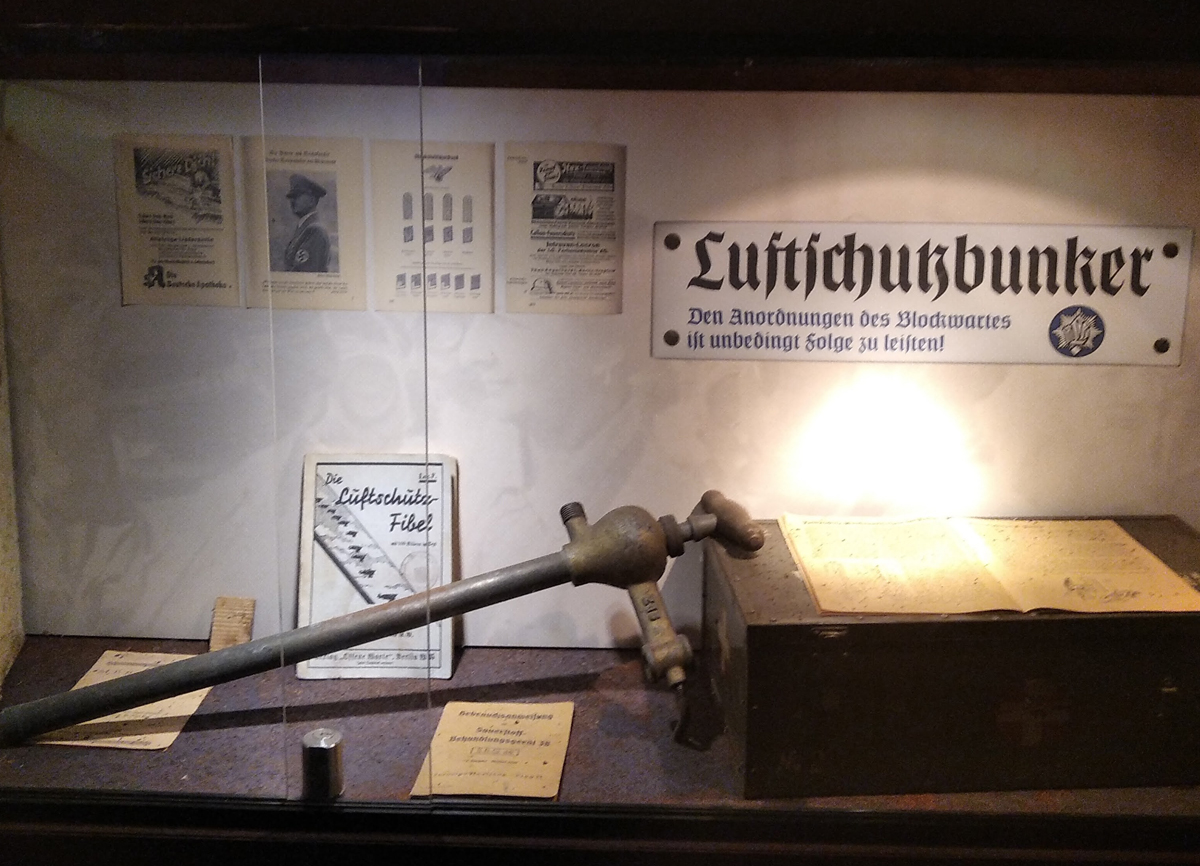
Over the course of its existence, the Fuggerei was not spared the military conflicts that also affected Augsburg. The Thirty Years’ War had the greatest impact on it, when Swedish troops entered the city in April 1632, followed by the bombing by Allied forces on the night of February 25–26, 1944. This destroyed up to two-thirds of the homes. During the war, an underground shelter was built where residents took refuge during air raids.
12. The Fuggerei also benefited from Augsburg’s Unique Water Distribution System
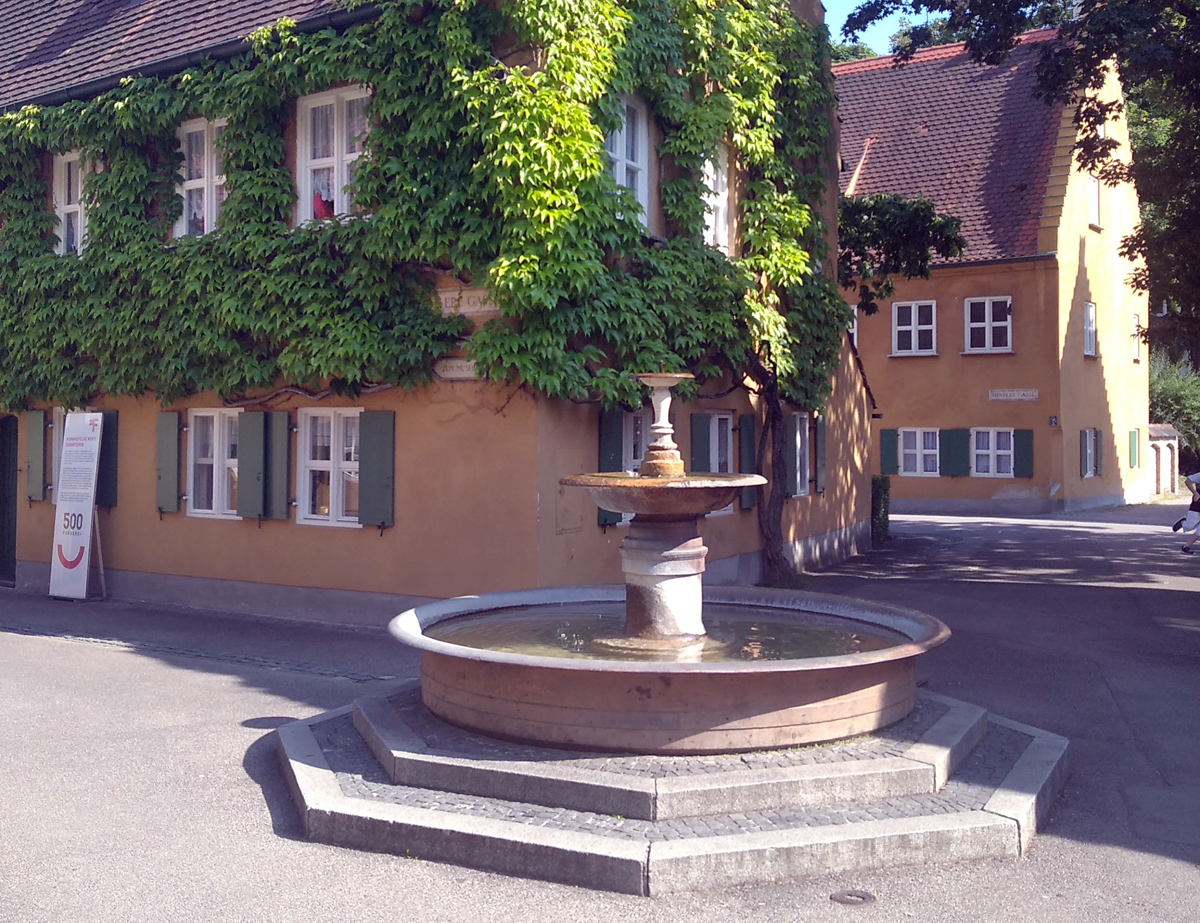
The first free wooden well was established in the Fuggerei in 1599, which was replaced in the mid-19th century by today’s stone well. It was connected to Augsburg’s water system, a UNESCO World Heritage Site, in 1715.
13. The Fuggerei is One of the Oldest Settlements with House Numbers
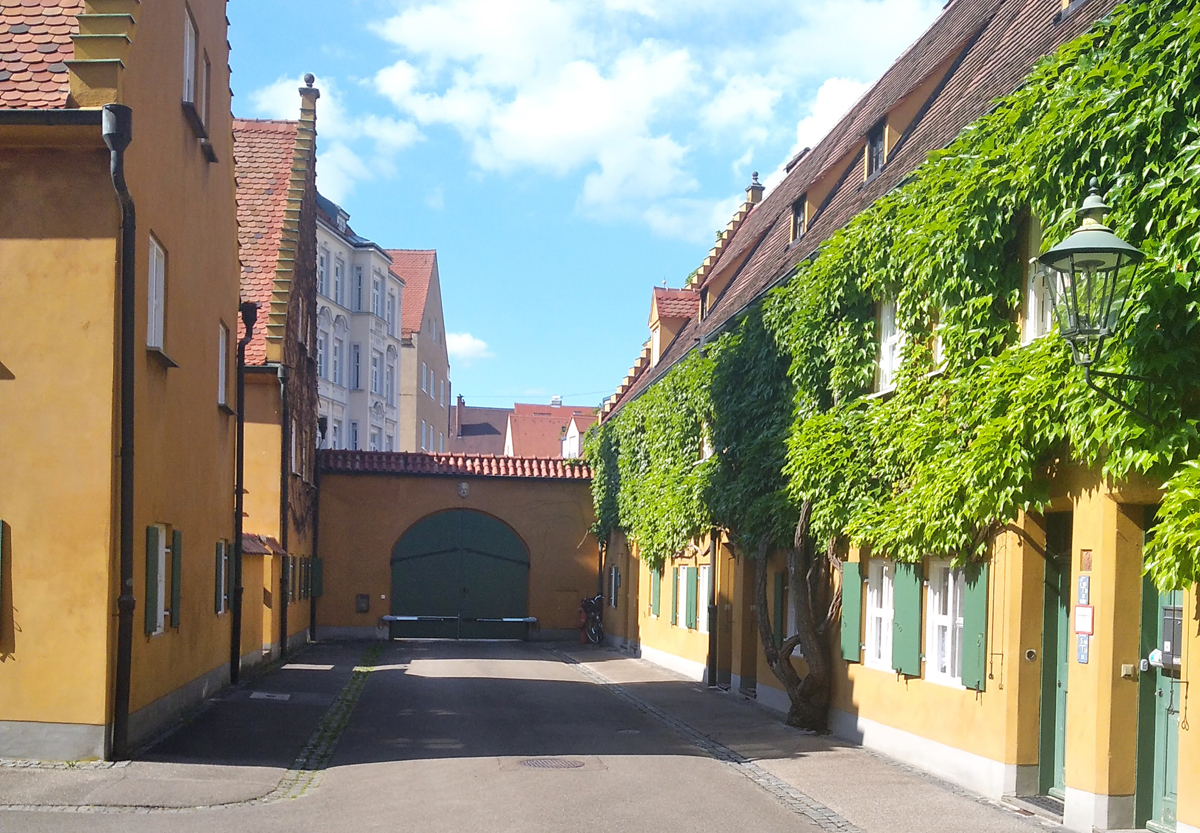
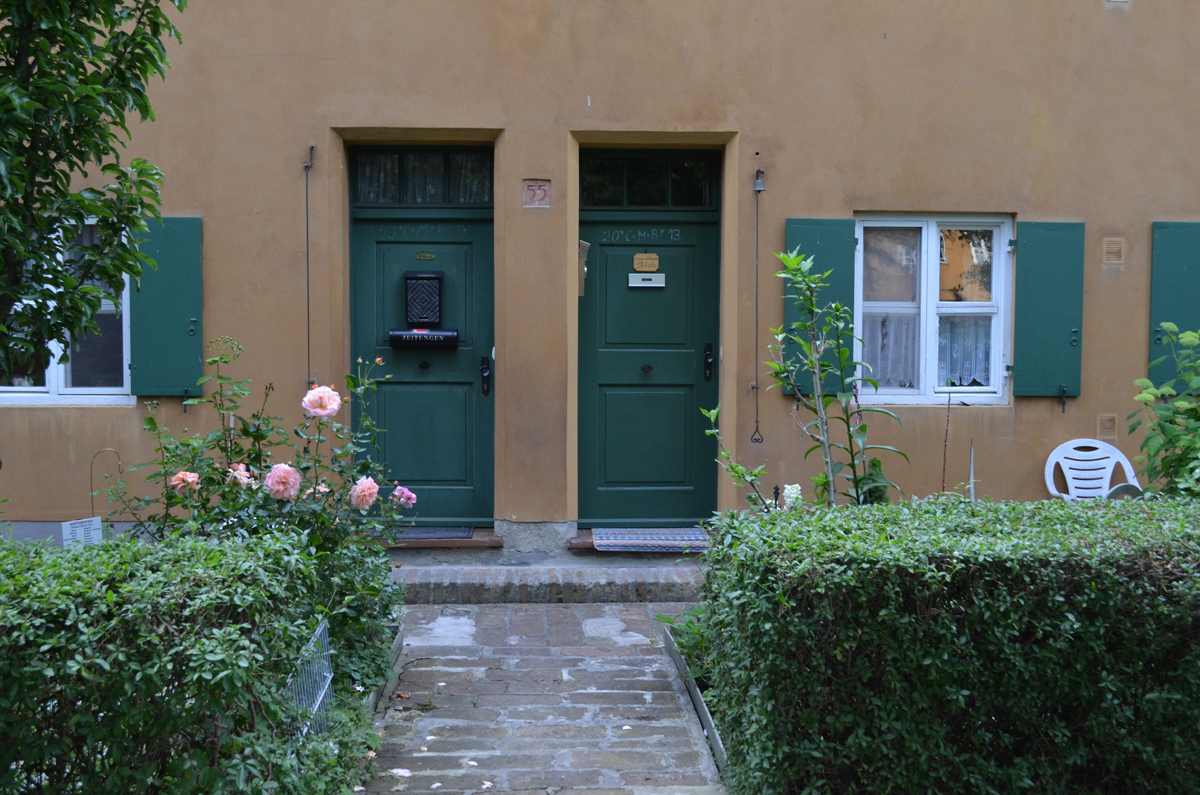
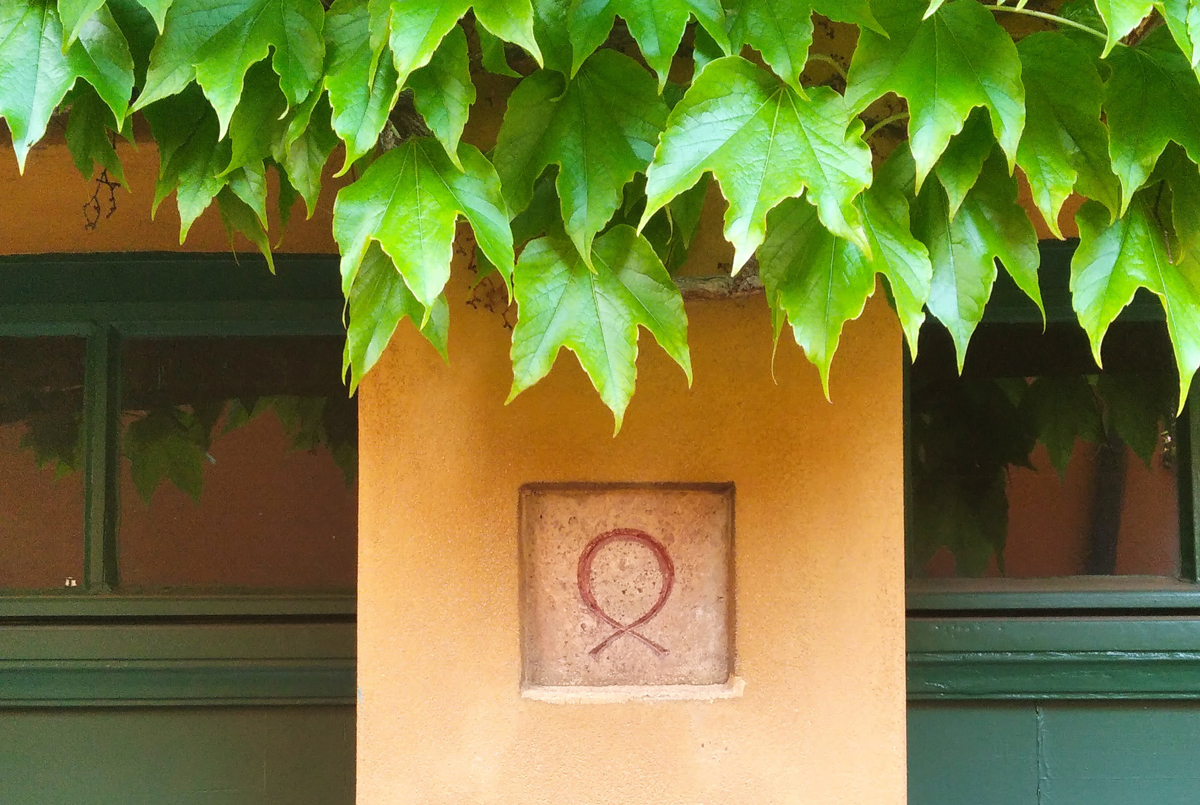
House numbers have been present in the Fuggerei since 1519, meaning they were added during construction. Some of them have a Gothic design – for example, house number 8. Today, not all of the original numbers remain, as those on damaged houses had to be recreated. Every apartment in the Fuggerei has a separate entrance. Today, the houses are painted ochre, and the window shutters and apartment doors have been green since the 18th century. The main gates feature white-and-blue stripes in the Biedermeier style. Previously, the facades were grayish-yellow and the entrances were in the natural color of wood.
For more information about the museums you can visit here (opening hours, admission prices), visit the website: Fuggerei
Text: © Copyright Robert, Travelpotpourri
Photos: © Copyright Robert, Travelpotpourri