
 TRAVEL


 RECIPES WITH A STORY


 AUSTRIA-VIENNA


 SLOVAKIA-BRATISLAVA

 EVENTS


 INTERVIEWS

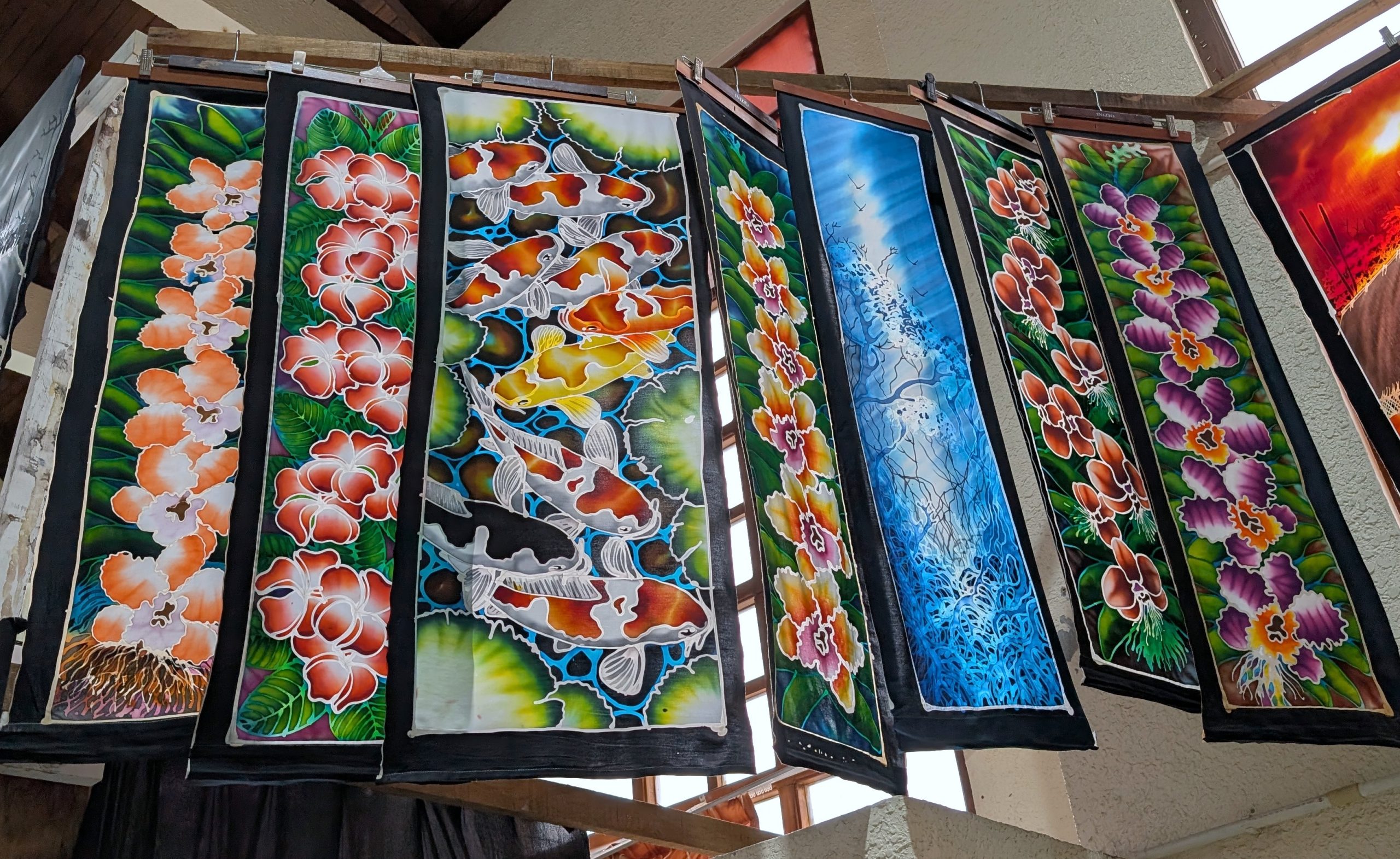
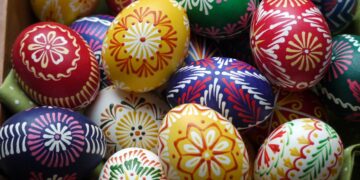
One of the attractions I definitely wanted to explore further in Malaysia is batik. I was first introduced to the batik technique as a child – thanks to my mom, who, in addition to her day job, taught art twice a week at the Evening School of Art. We didn’t just tie-dye T-shirts; I also tried the batik technique on fabric pictures and Easter eggs. However, batik has a long tradition not only in my homeland (Slovakia).
Malaysian Batik
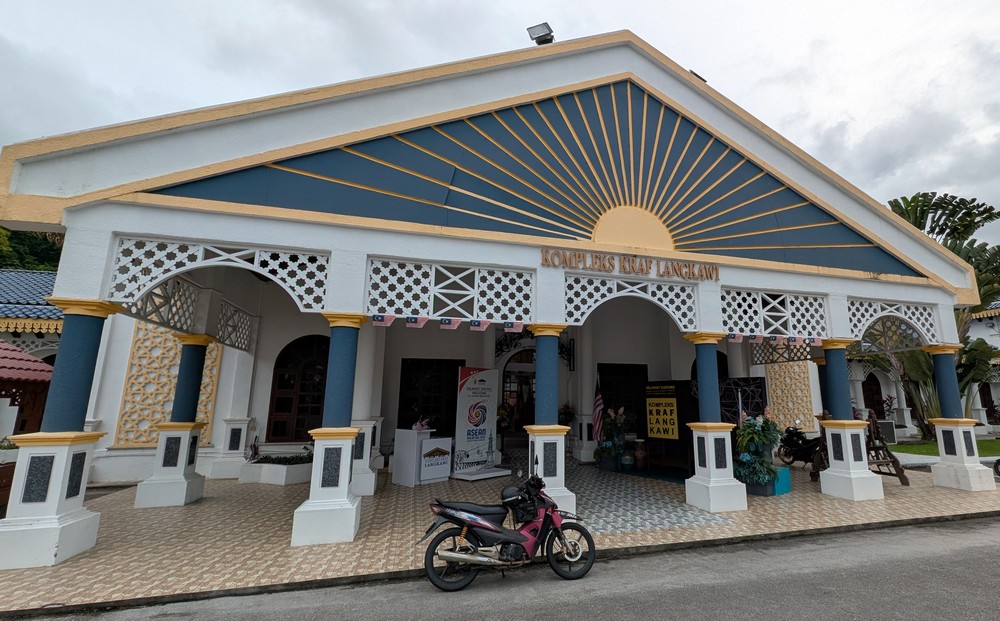
The true origins of batik will likely never be determined, but in Malaysia, it has reached a high artistic level. That was one of the main reasons why I wanted to visit the Craft Complex – a museum of traditional crafts in Langkawi.
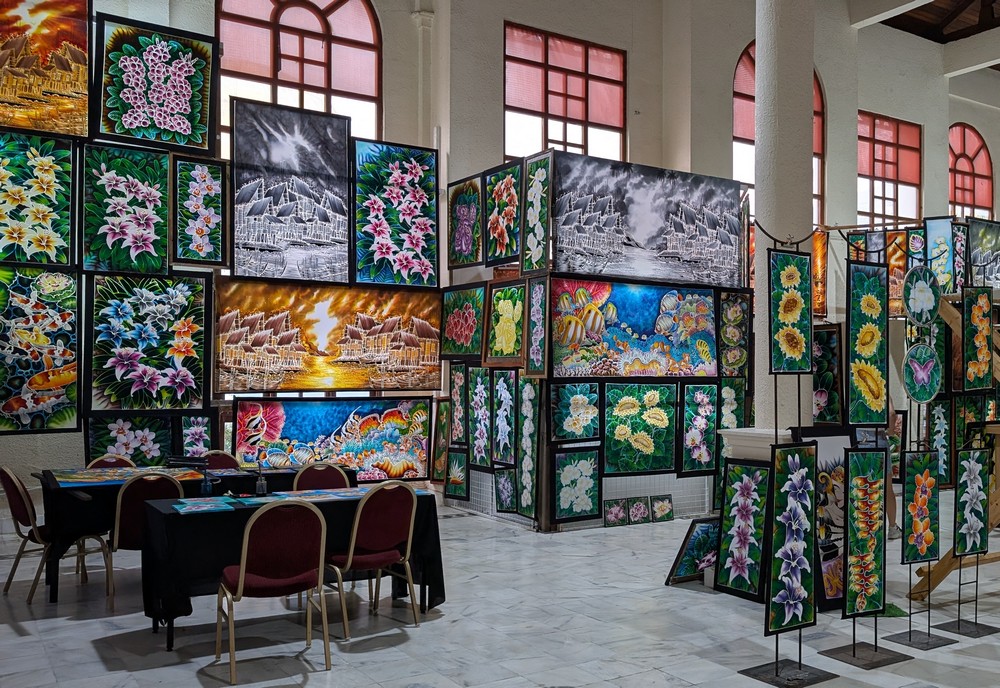
Malaysian batik is characterized by vibrant colors and floral motifs, with hibiscus and orchids being the most popular. Various geometric patterns are also frequently used.

Batik is made by drawing or stamping wax on a cloth to prevent colour absorption during the dyeing process.
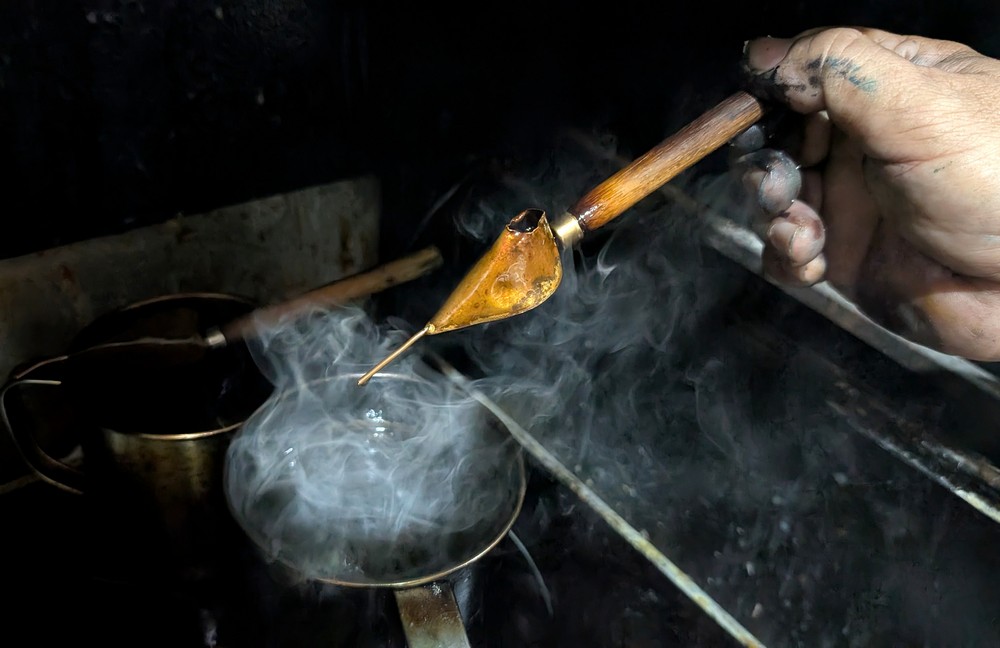
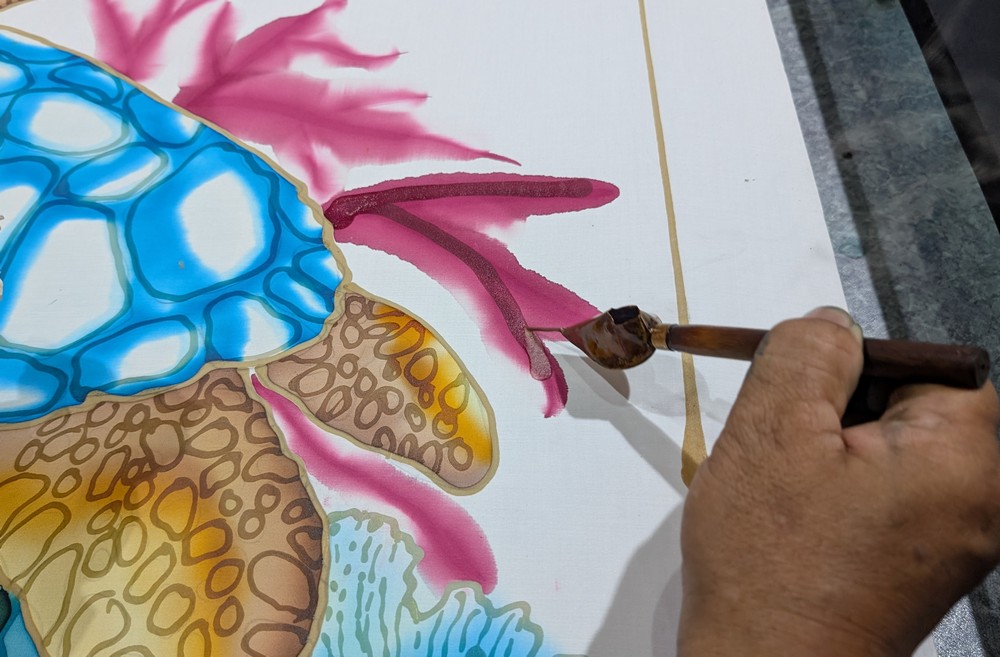
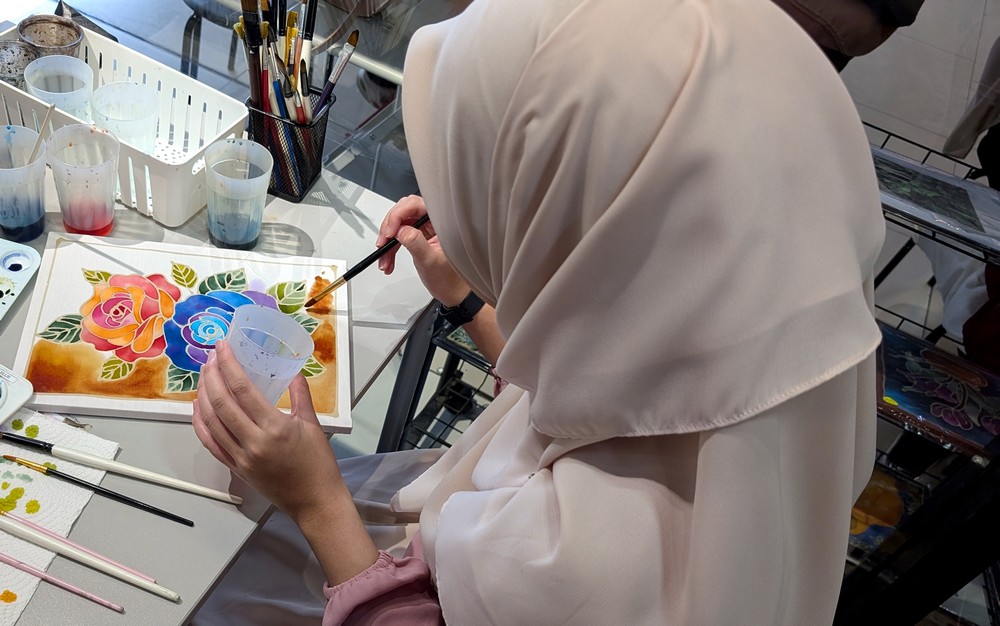
This technique allows for the creation of shaded and multicolored motifs. Once the design is complete, the wax is removed by ironing, or it remains on the fabric.
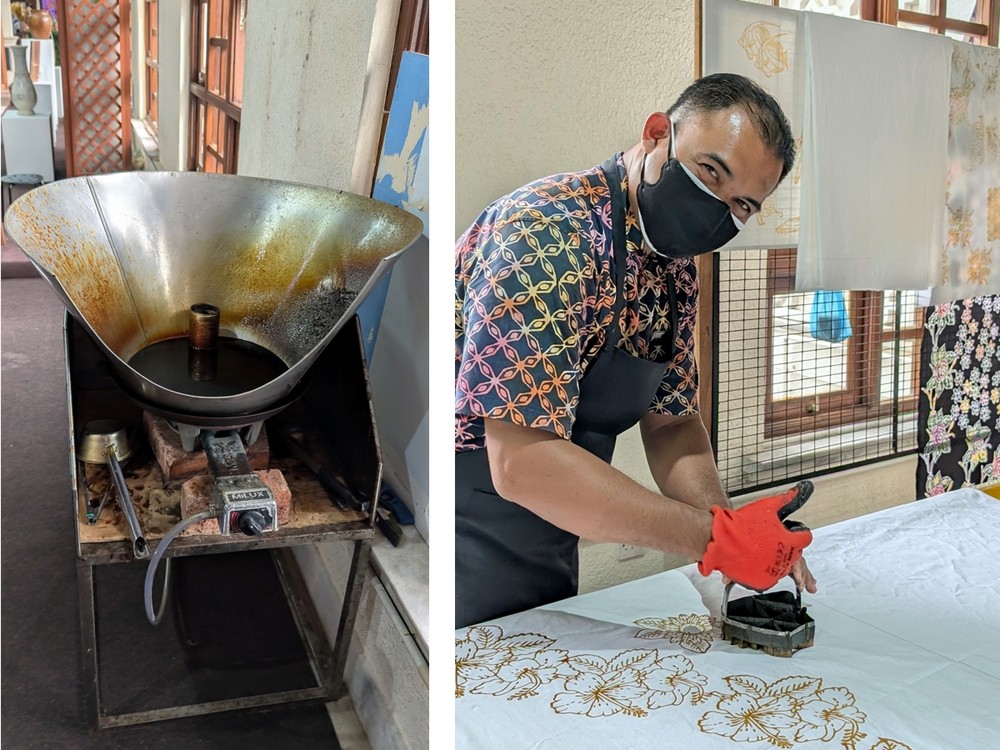
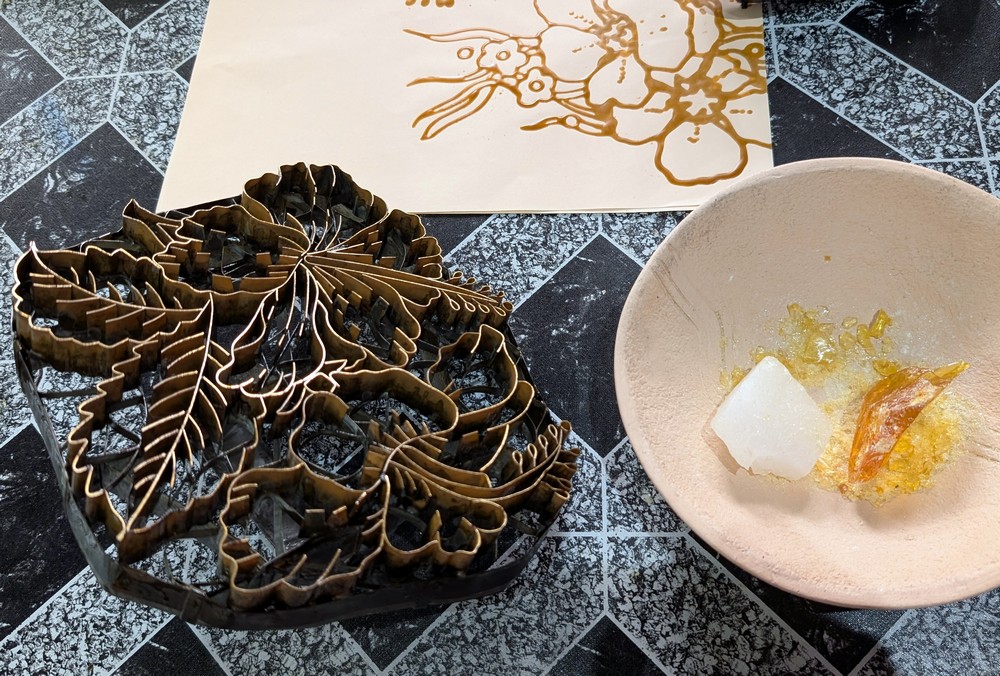
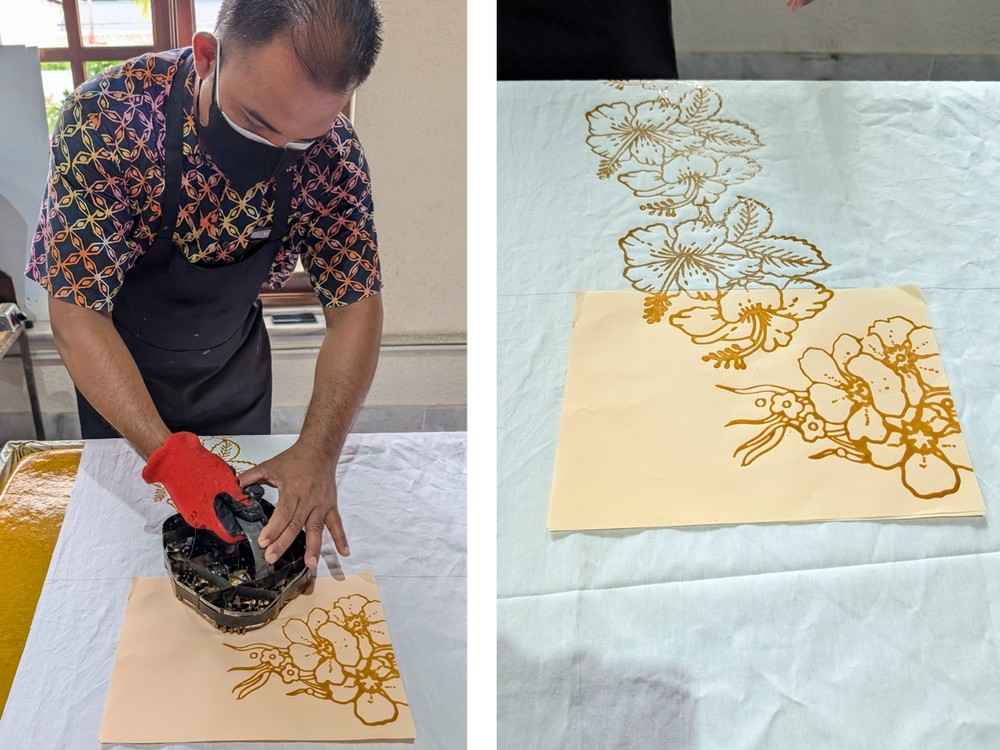
Another form of batik involves stamping a pattern using copper stamps. The stamp is dipped in wax and pressed onto the fabric.
The process is repeated several times across the entire piece of fabric, which is then dipped in dye.
The batik technique is used on various fabrics, primarily cotton, linen, and silk. Batik fabrics are also used to make traditional clothing for all social classes.
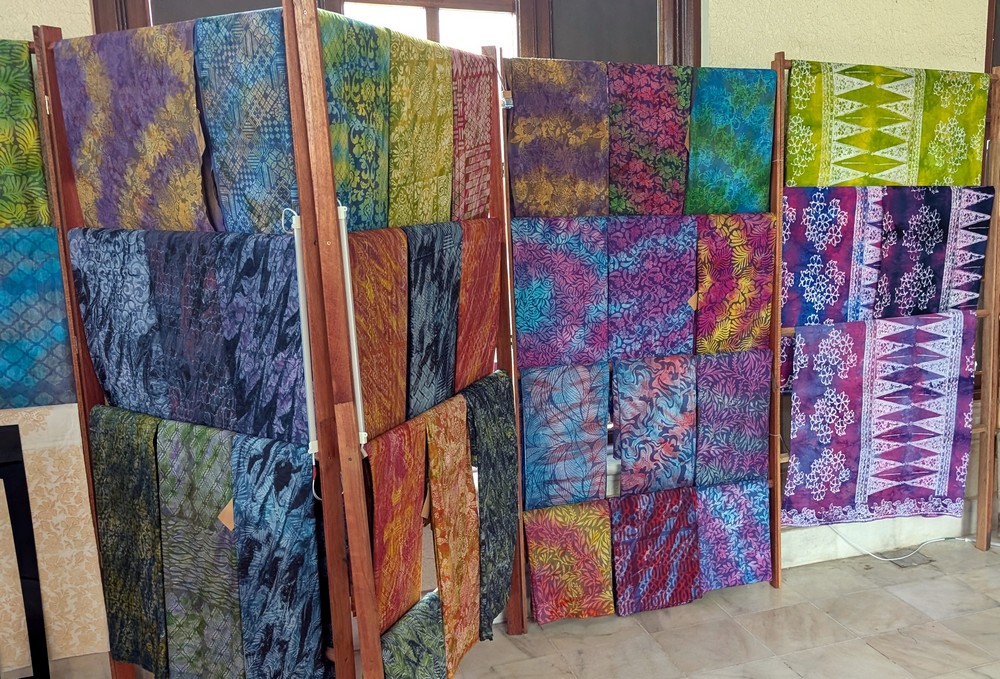
Four-meter lengths are used for women’s clothing, and two-meter lengths for men’s clothing.
At the Craft Complex, in addition to framed pictures and bundles of fabric, you’ll find modern clothing, scarves, home textiles, and other products.
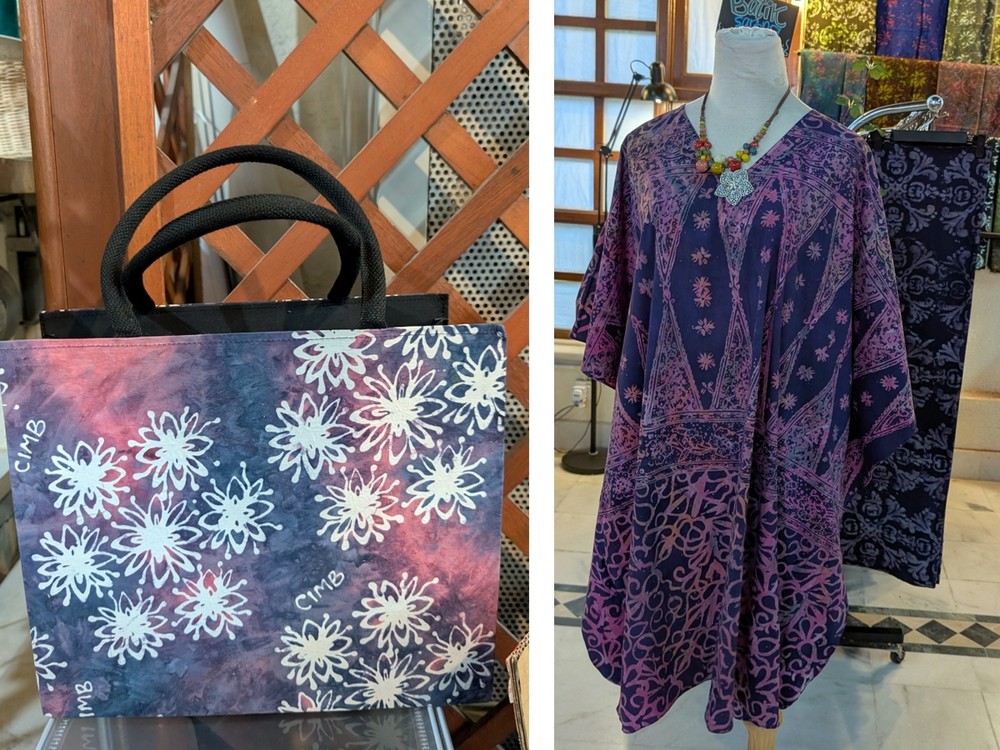
However, it’s not just an exhibition and sale of finished products – people are actually working at the Complex…
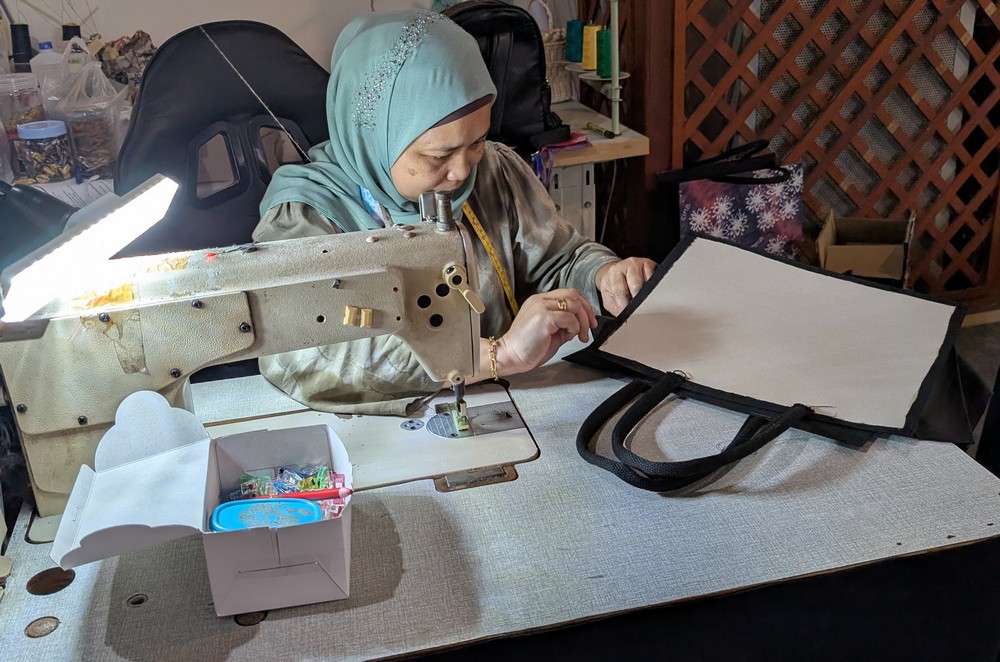
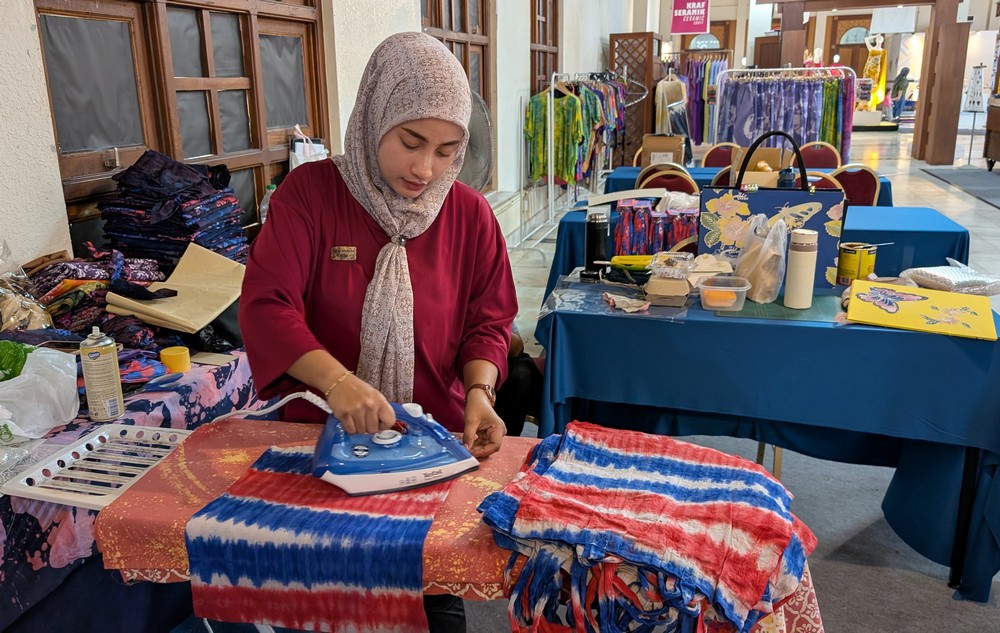
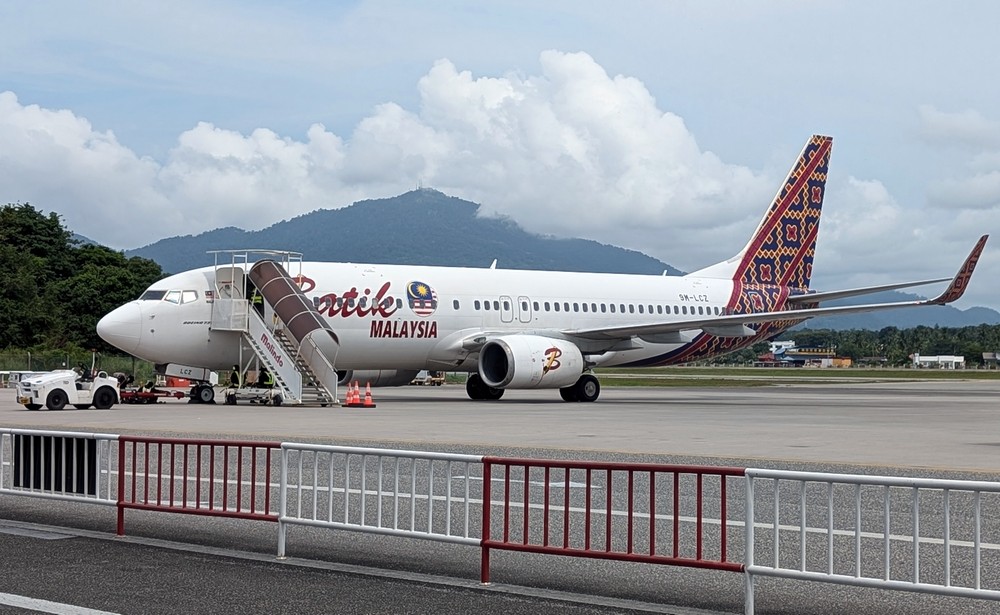
In Malaysia, batik even has its own day! It’s December 3! And we later saw a batik pattern on the tail of a Batik Air Malaysia plane!
Eco-printing
In addition to traditional batik, I was intrigued by eco-printing at the Craft Complex. Leaves, plants, and other natural materials are first arranged on the fabric. You then roll the fabric tightly, tie it, and steam it for 2-3 hours. The color from the leaves is transferred to the fabric.
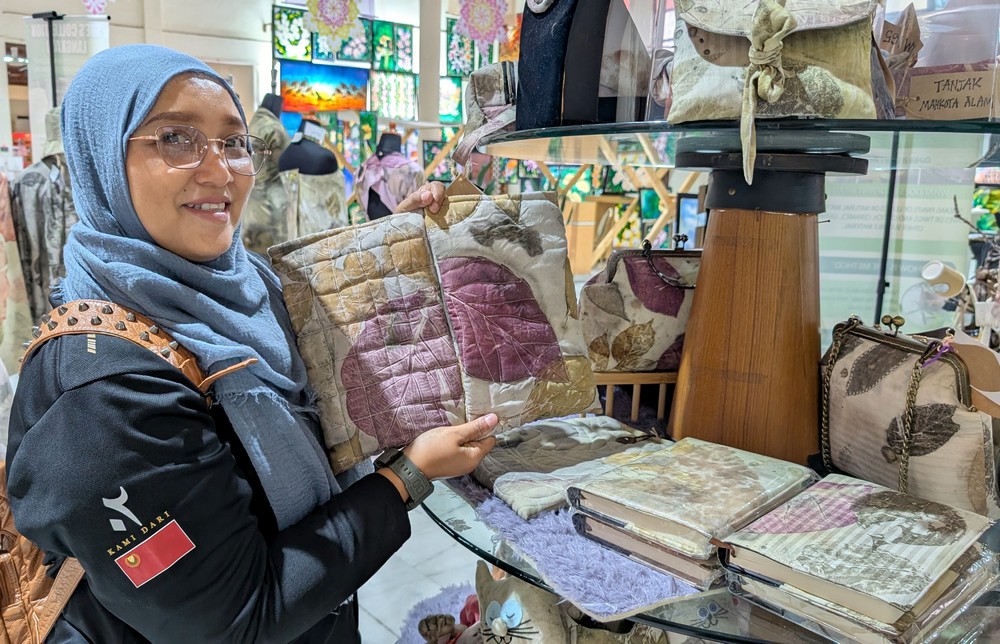
I struck up a conversation with Suhaila, who introduced her company, Sue’s Collection Langkawi, to me. Together with her sisters, she learned this technique through distance learning courses during the COVID-19 pandemic.
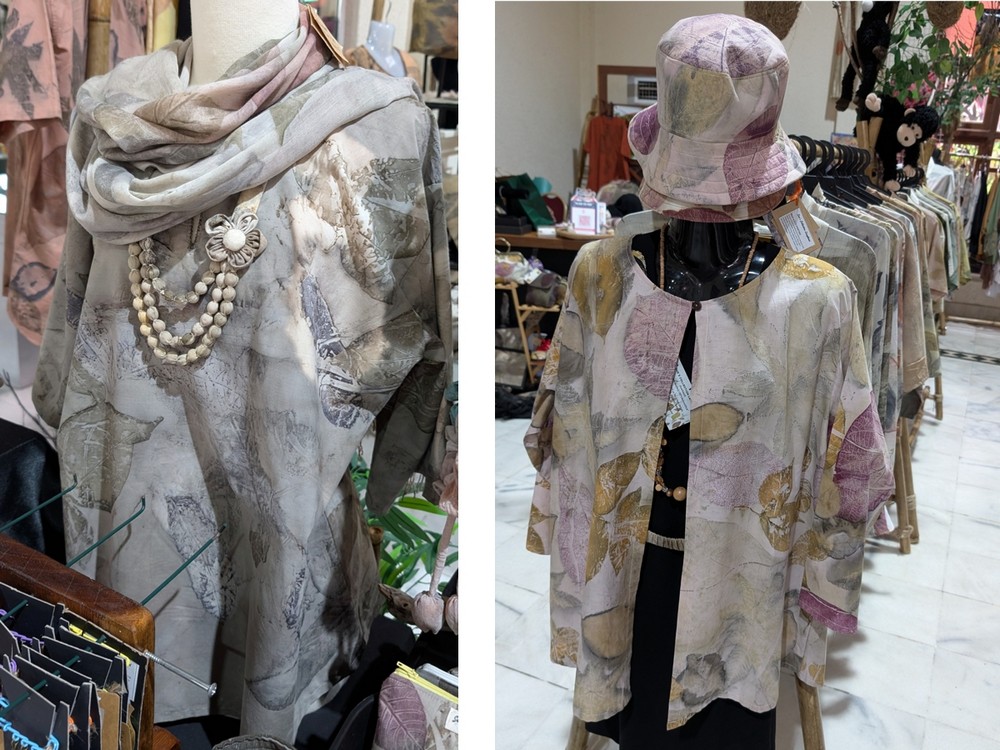
She told me that she prefers to use teak leaves, and indeed, a large leaf was recognizable on just about every one of their products. Suhaila collects fallen leaves, which are readily available all over the island. They use only natural dyes for coloring. The entire production process is eco-friendly, in part because they don’t throw away the used leaves – they compost them.
The family business run by three sisters offers clothing, bags, hats, scarves, book covers, and many other products. They aren’t cheap, but the eco-printing process is labor-intensive. It can take up to two weeks to make a single product.
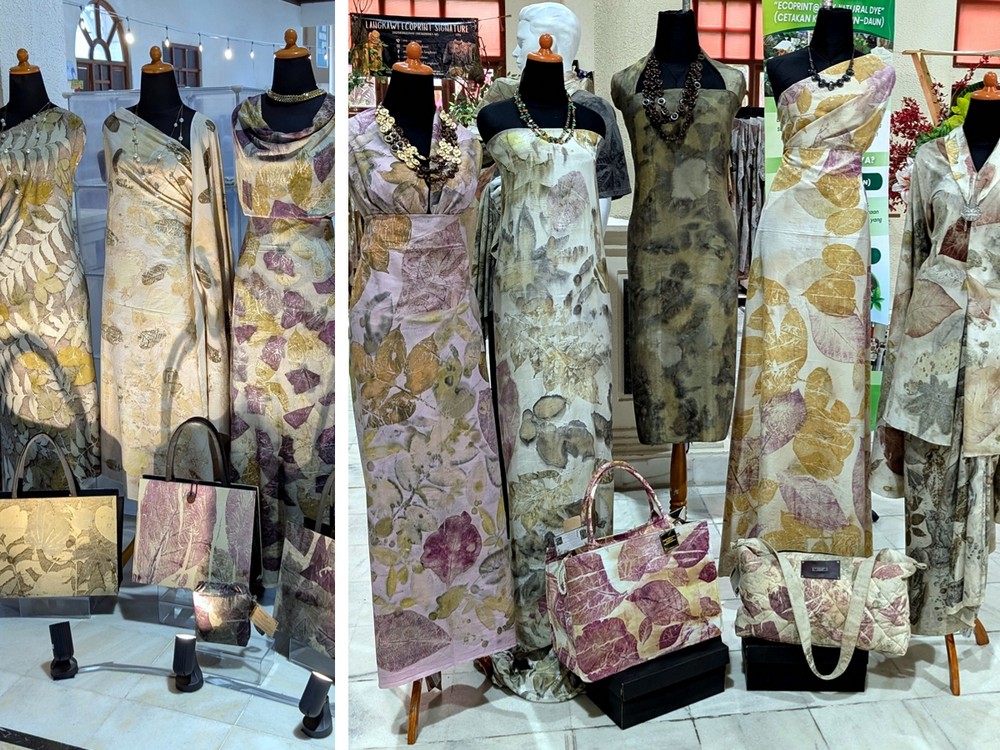
It was hard to resist. I’m sure I could have picked something from their selection, but we were still only at the beginning of our long journey, and I save shopping for the very end. So at least I got a mini coin purse as a souvenir – of course, it’s decorated with a piece of a teak leaf.
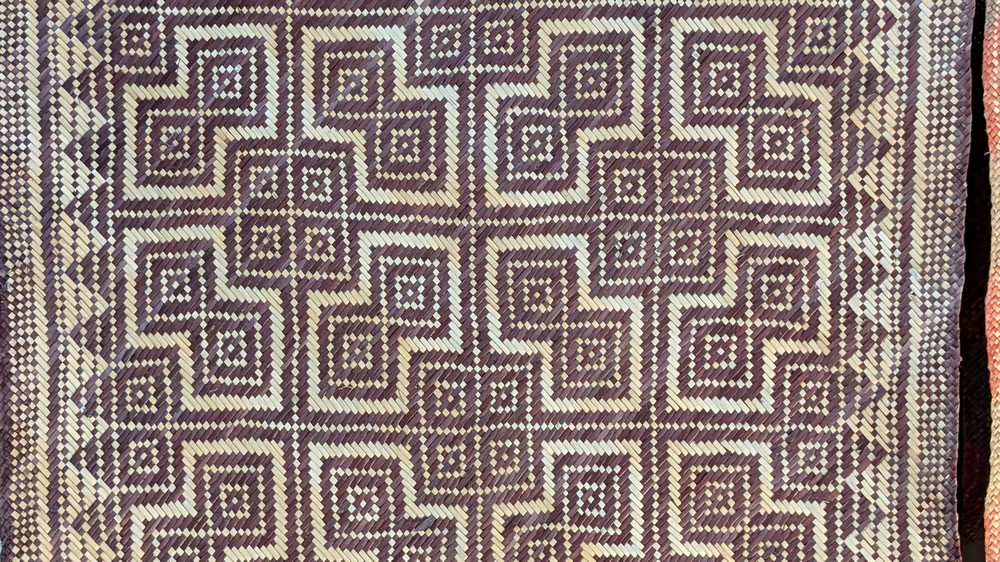
Mengkuang and Other Crafts
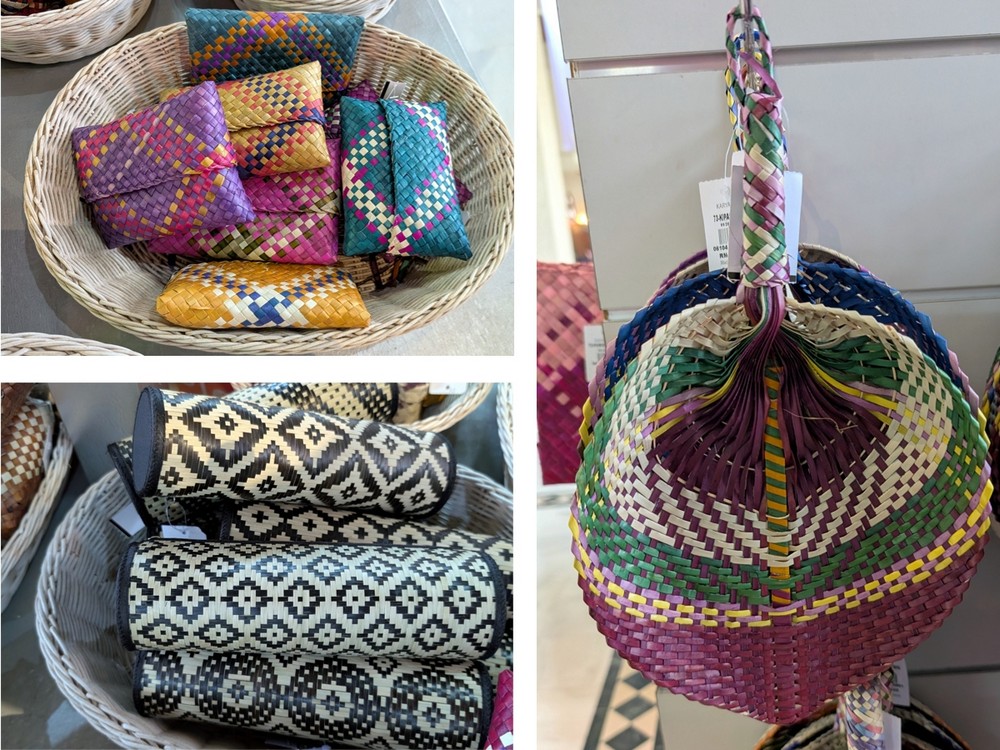
Mengkuang is the traditional craft of making mats and rugs by weaving dry pandan leaves.
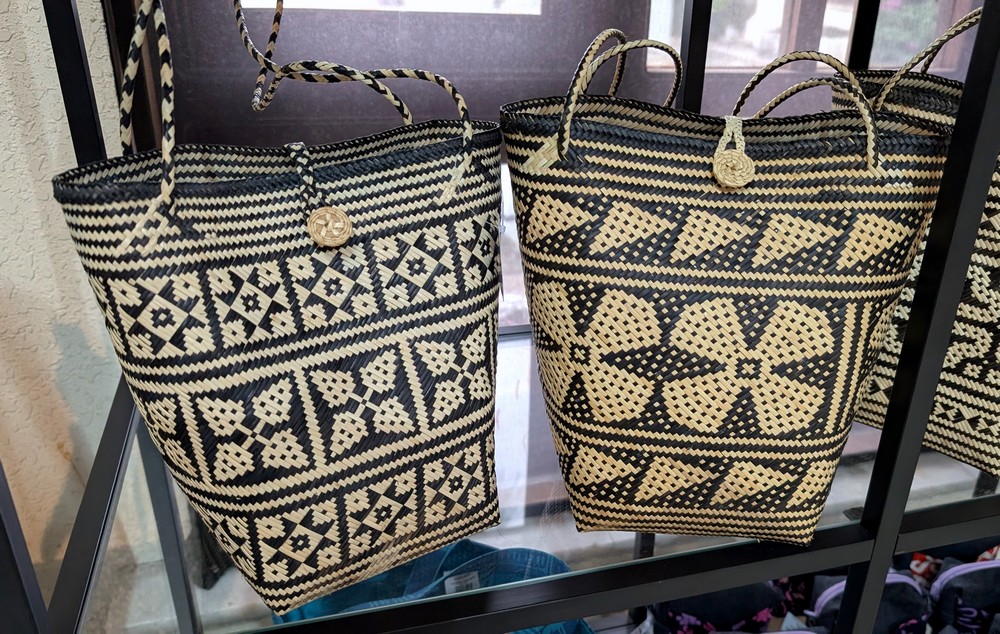
We also saw many other products on display – fans, handbags, bags, boxes… as well as items woven from other materials.
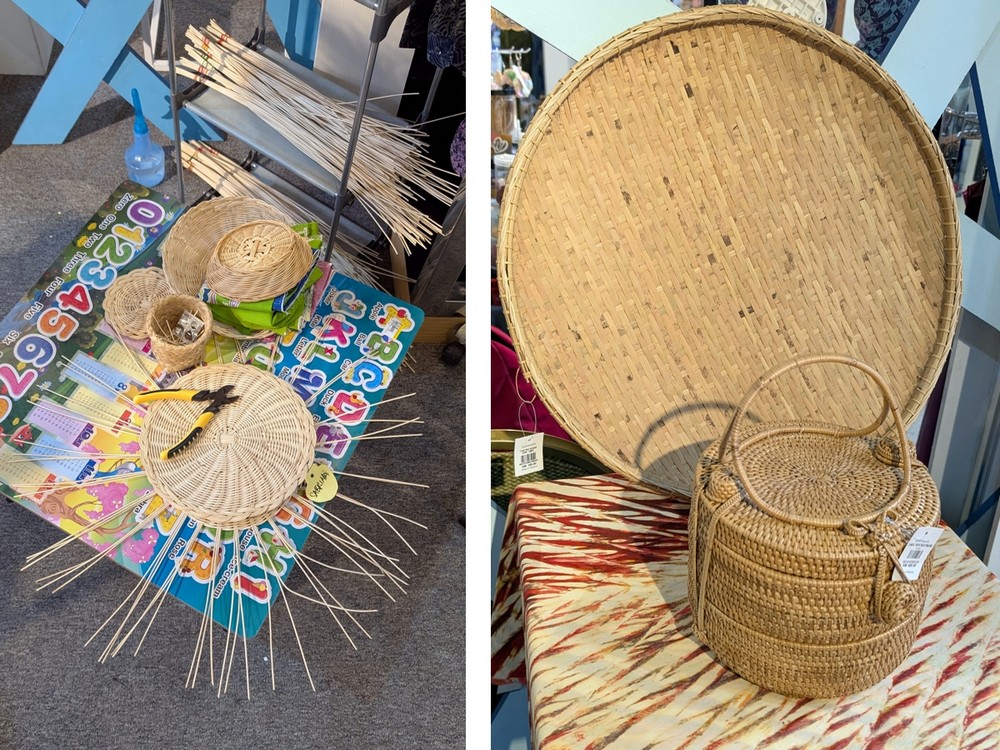
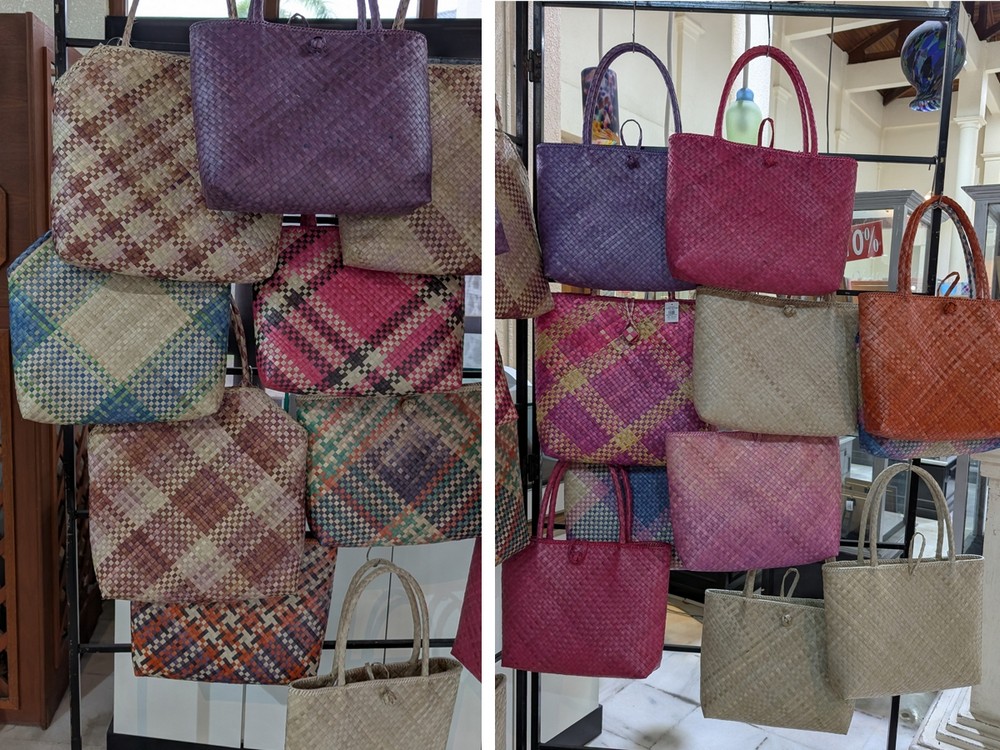
Beautiful products! I’d have a hard time choosing here, too.
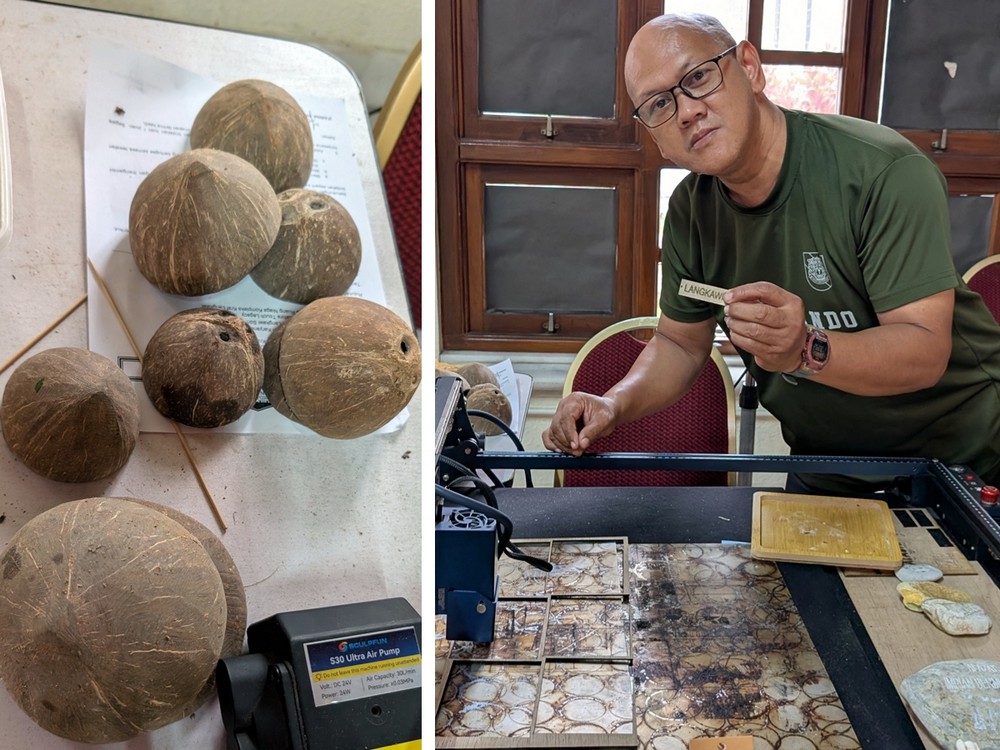
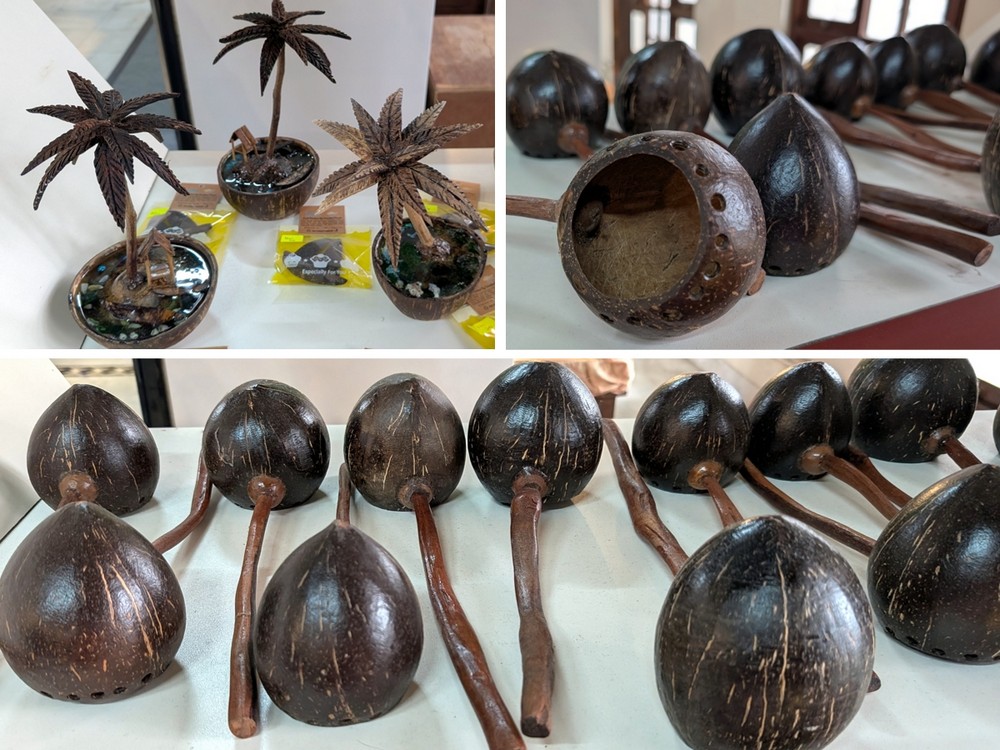
Tempurung is a Malay word meaning “shell,” specifically a coconut shell. At the Complex, I also met a friendly guy who makes various souvenirs, ladles, musical instruments, and lamps out of coconut shells.
I found ceramic items and filigree jewellery there as well. The Craft Complex is a huge complex with several buildings. Some are dedicated to showcasing crafts, while others serve as museums.
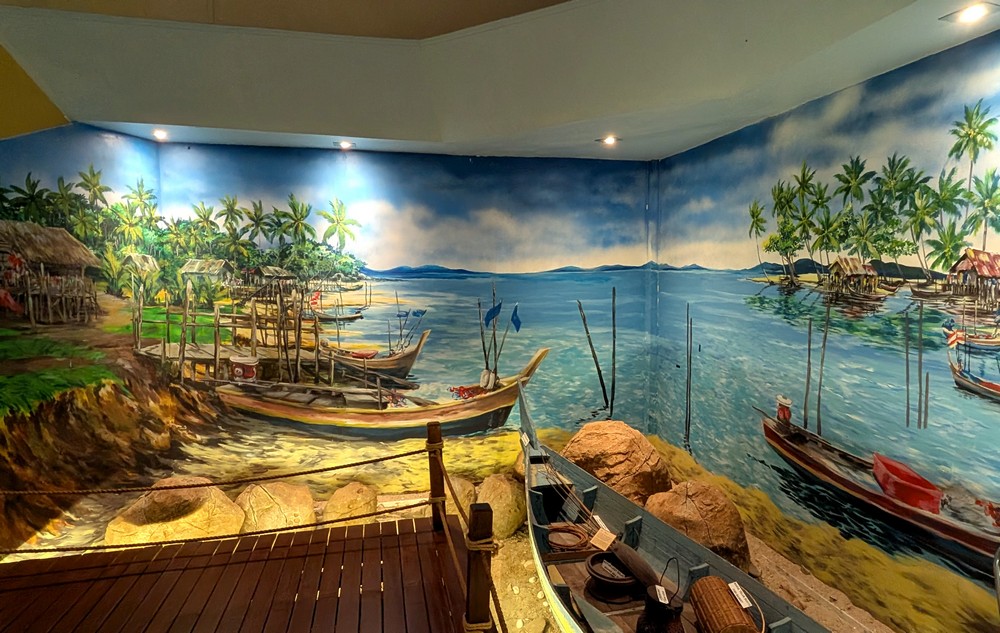
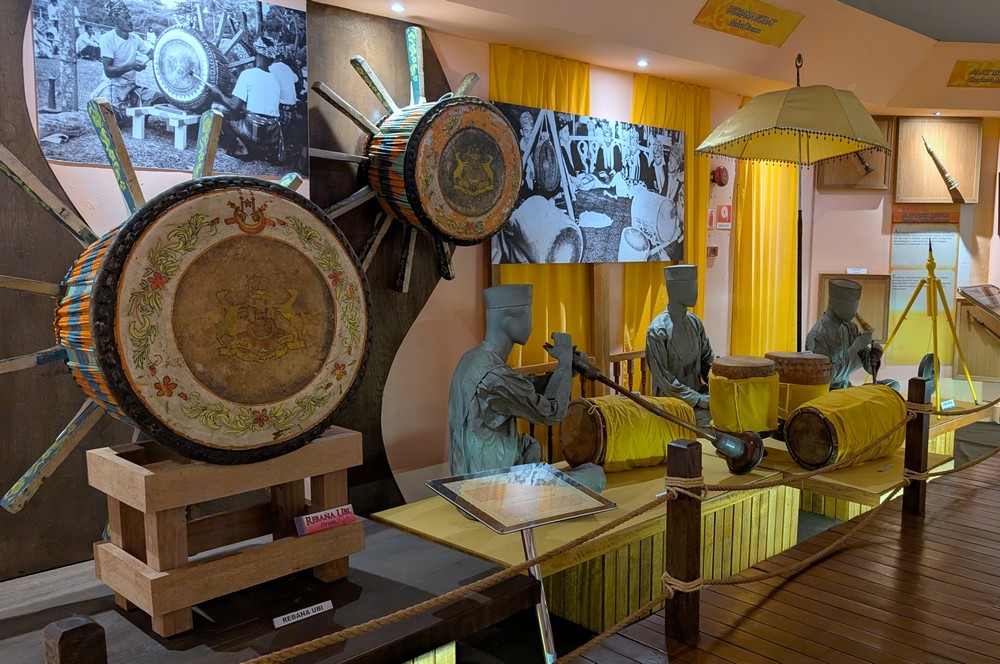
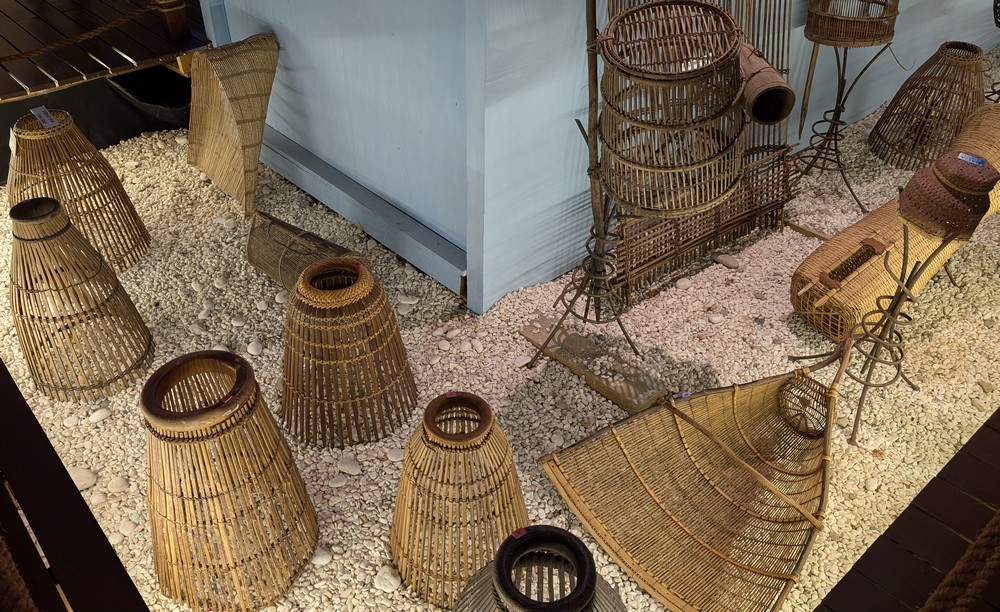
However, there was much more to see – wood carvings, boats, a loom, tools for growing and harvesting rice, and many other interesting objects.
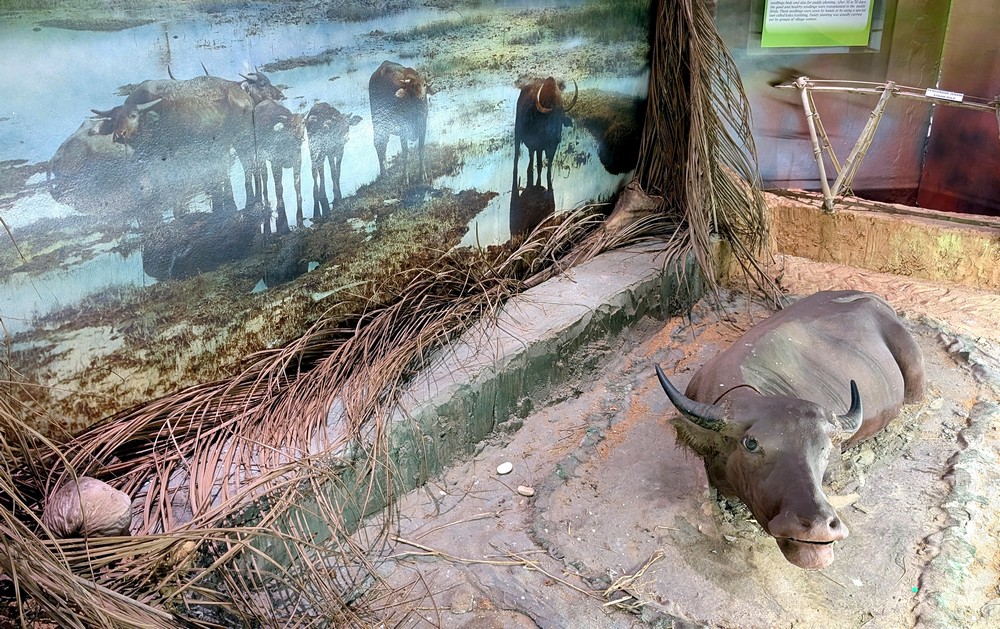
They even had a water buffalo there; it looked almost lifelike, just like the ones that grazed next to our little house in the village of Gemalai.
Museum of Wedding Attire and Customs
Another part of the complex is a pavilion housing a museum of wedding culture and customs that are still practiced here today.
In the museum, you’ll find male and female mannequins dressed in wedding attire representative of various ethnic groups (Malays, Chinese, Indians, Kadazans, and Ibans). I was struck by the fact that the outfits come in various colors, but there isn’t a single bride in white.
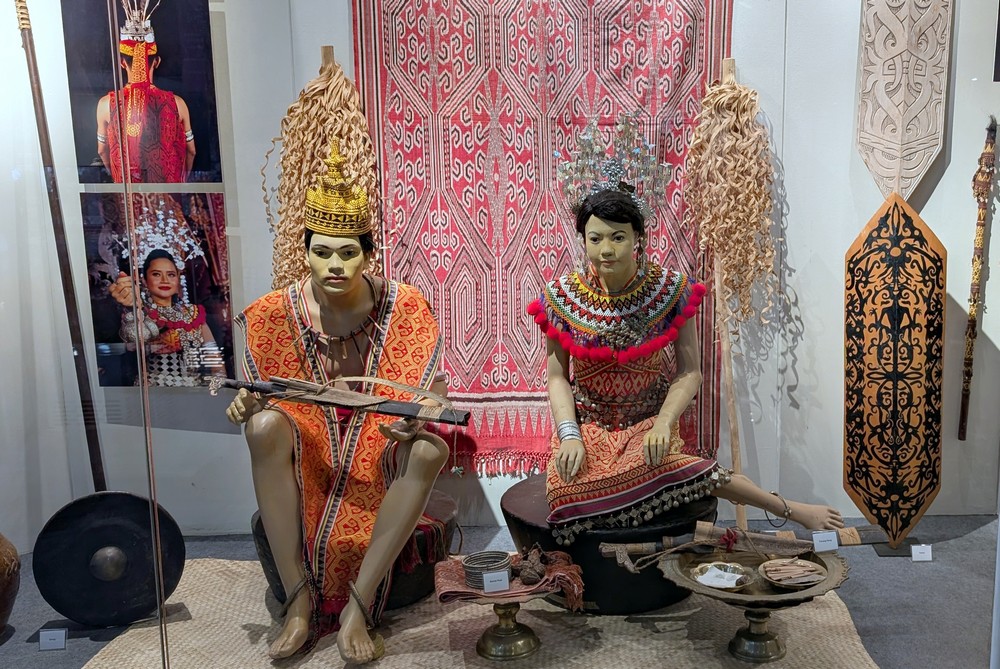
Also on display are various wedding accessories, furniture, ceremonial pastries, and trays of gifts. There should be an odd number of these trays to bring blessings to the young couple and strengthen their relationship.
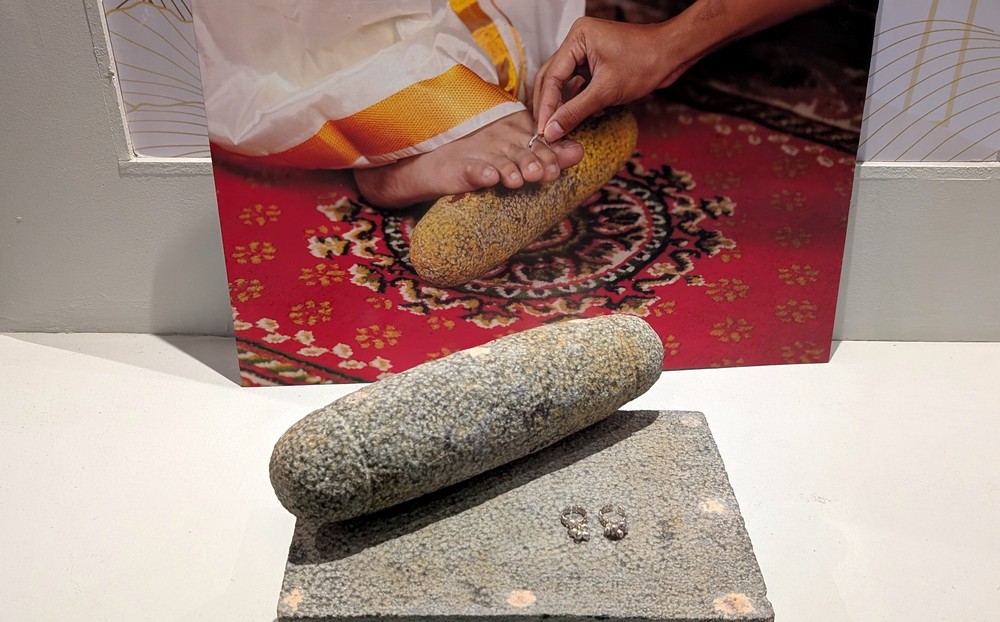
Did you know that the groom must slip a ring onto the bride’s big toe? As he does so, the bride places her foot on a millstone. This ritual is meant to ensure that their marriage will be as solid as that stone.
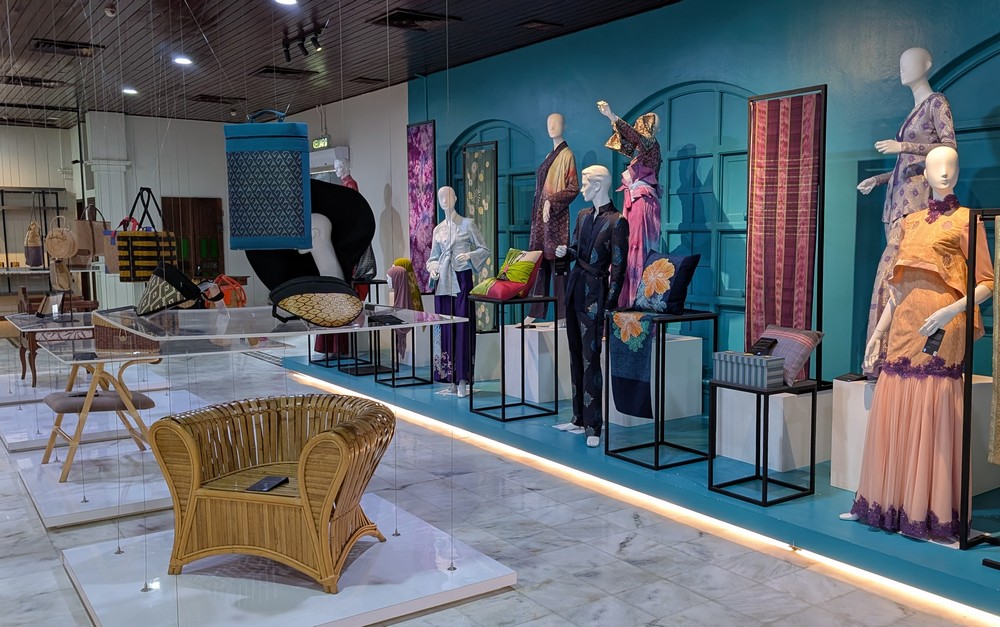
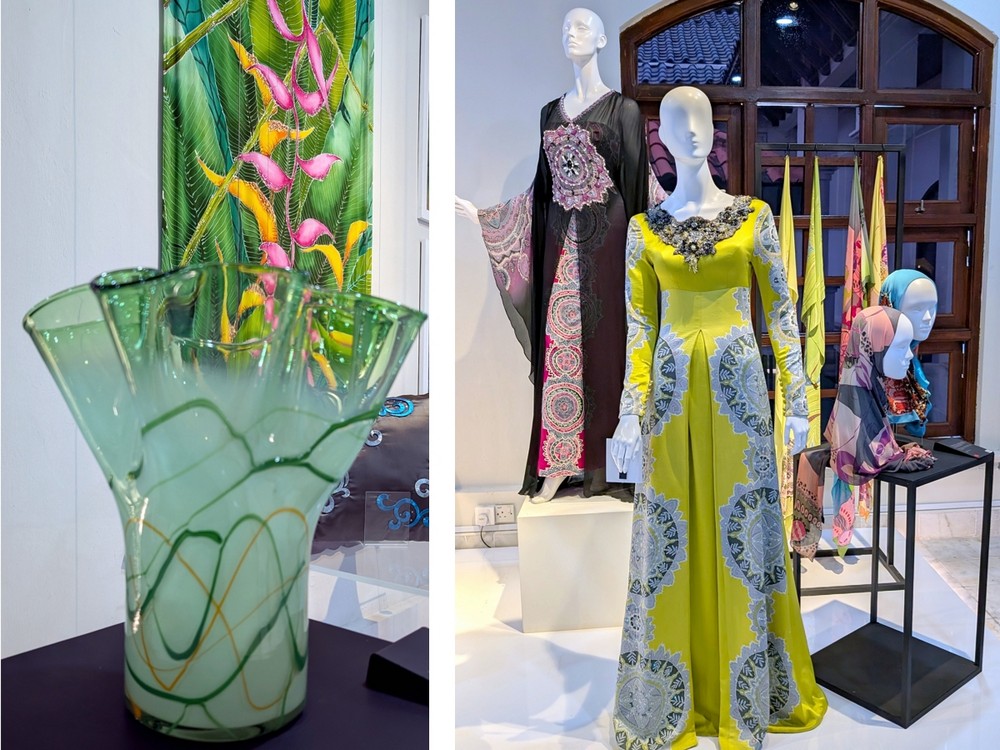
The tour of the Craft Complex was time-consuming, but I still managed to quickly peek into the rooms featuring modern applied art combined with traditional pieces.
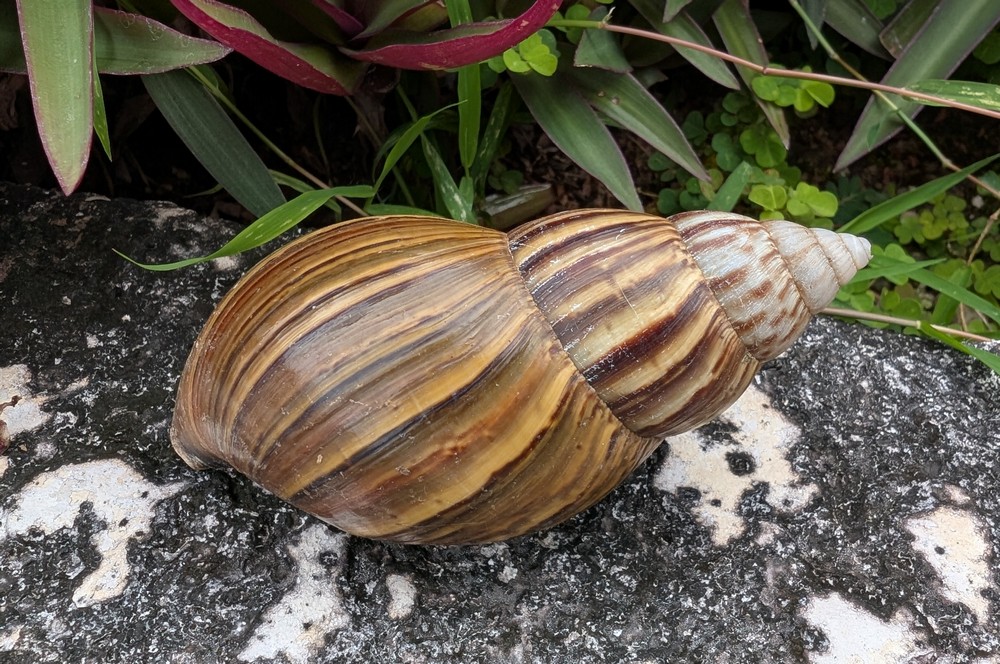
As I was leaving, I found a few beautiful shells from large African snails on the ground. It immediately occurred to me that they would also make a nice motif for a batik painting. Nevertheless, I left them there because stones and shells cannot be exported from Malaysia.
Creative workshops are also held at the complex. You can find opening hours and other practical information on the website: Craft Complex
If you’re interested in eco-printing, you can find them on Instagram as: ecoprint_langkawi
Text: © Copyright Ingrid, Travelpotpourri
Fotos: © Copyright Ingrid, Travelpotpourri