
 TRAVEL



 RECIPES WITH A STORY






 AUSTRIA-VIENNA









 SLOVAKIA-BRATISLAVA



 EVENTS








 INTERVIEWS


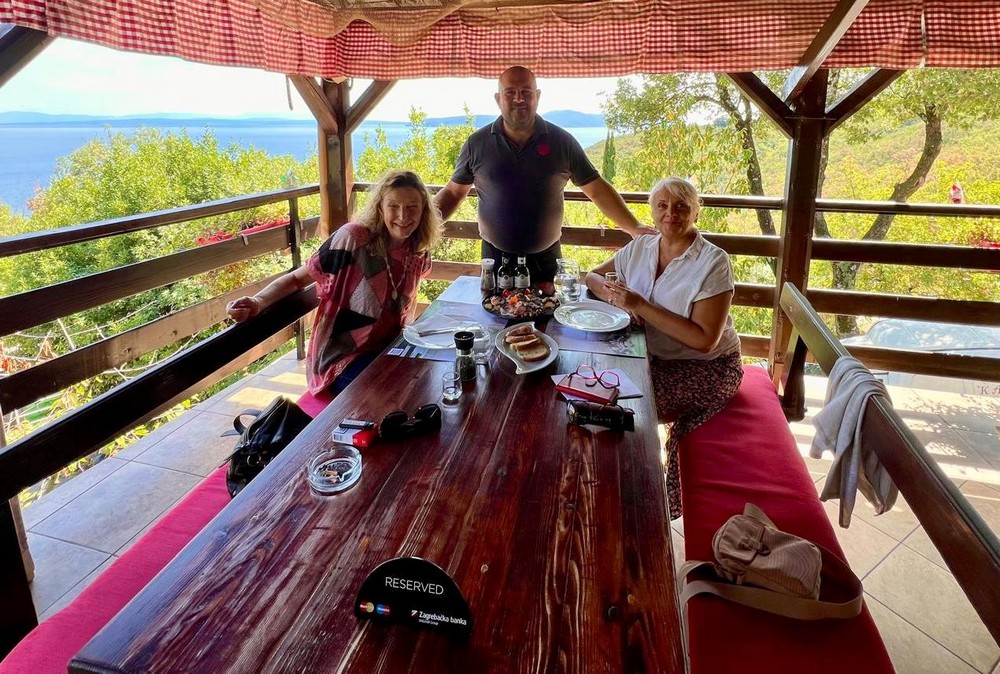
While I was spending my summer vacation in Ičići on the Opatija Riviera, I was thrilled to receive a call from my Croatian friend Karin from Rijeka. Karin runs the Gastronaut.hr website and publishes a book every year featuring the 100 top restaurants in Croatia. So I was sure that our lunch together would not only be a pleasant get-together but also a culinary experience. And I wasn’t wrong.
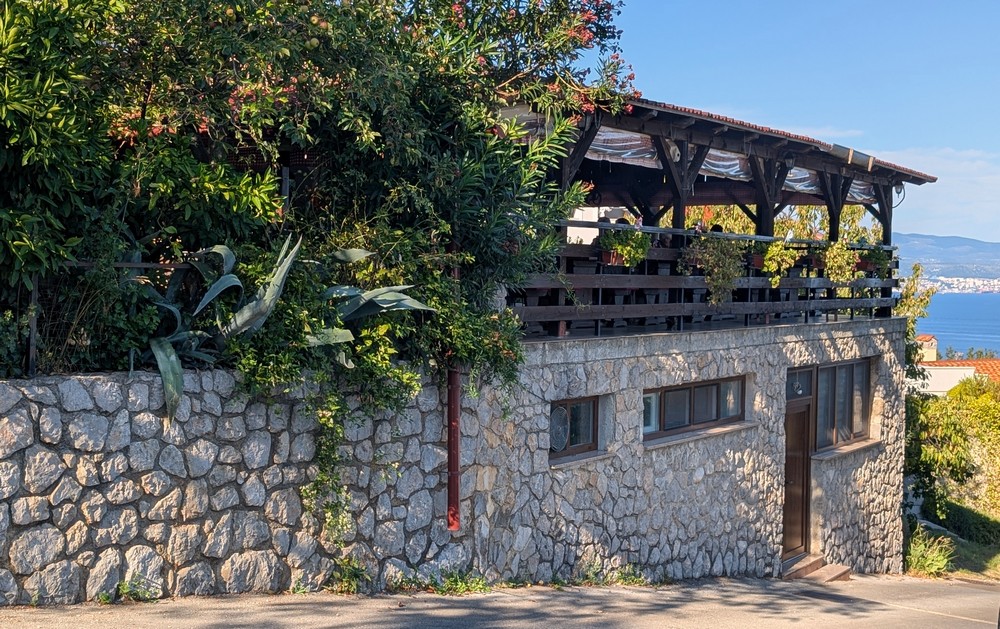
Karin drove me to the village of Medveja, located just 3 km from the resort town of Lovran. A short but steep drive uphill, and we found ourselves in a small parking lot in front of the Konoba Kali. We were greeted by its owner, Ante. At the entrance, right above our heads, hung several kiwi fruits. However, kiwis aren’t the main specialty of this family-run tavern – it’s figs. I had already noticed during my walks along the coast that laurel and fig trees grow everywhere here.
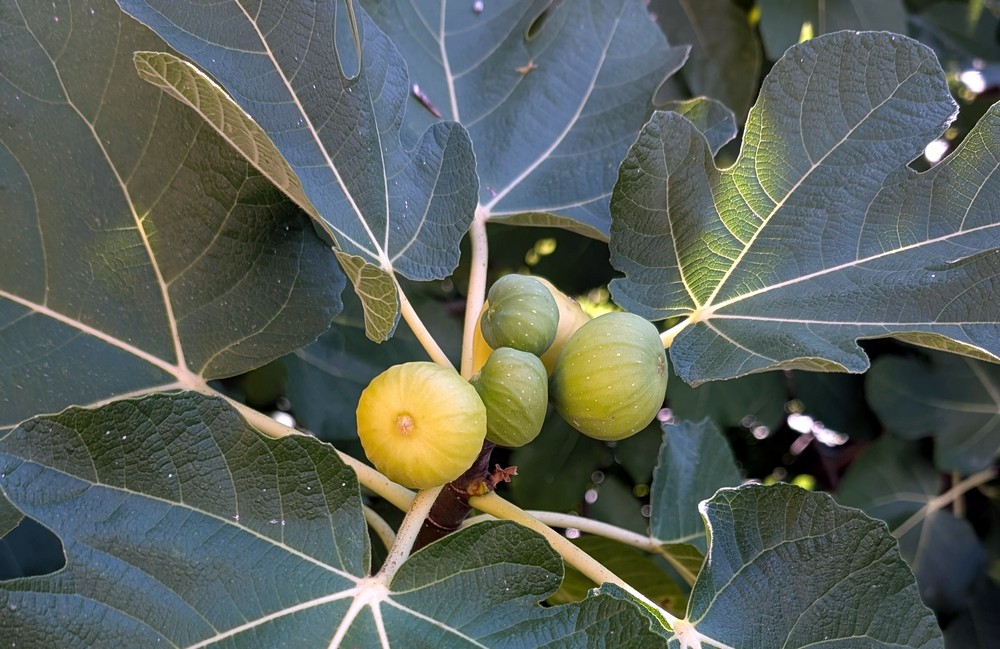
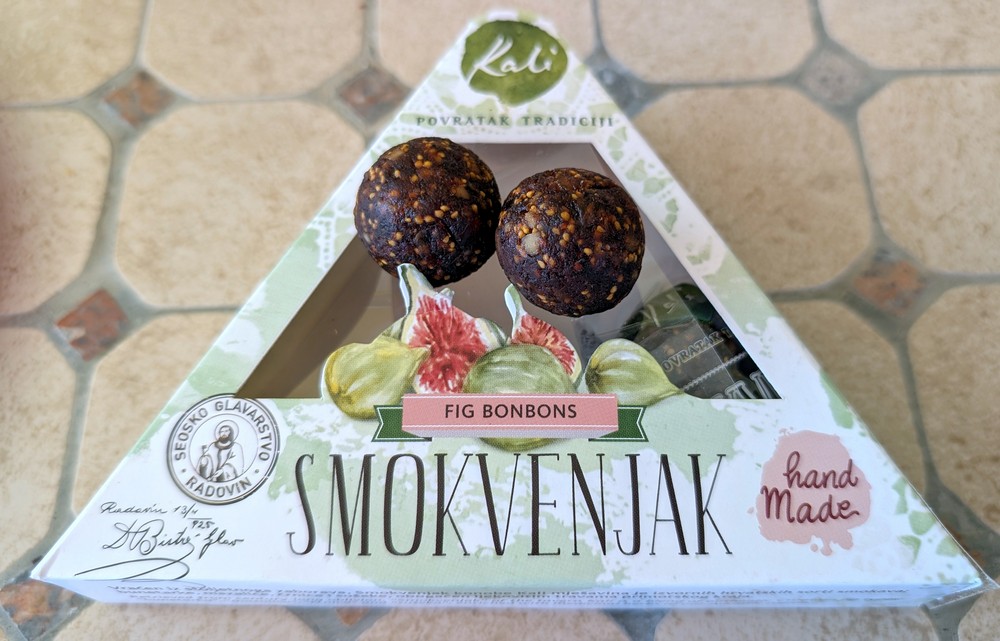
Ante’s ancestors had planted the first trees, and his grandmother had once gained experience in the kitchen of an Austrian countess in Rijeka. They sold dried figs at the local market. After the regime change, in 1993, Ante’s father had opened a guesthouse, and since he wanted to offer his guests something typically local, he started making fig bread – smokvenjak – again. Guests then received it as a gift.
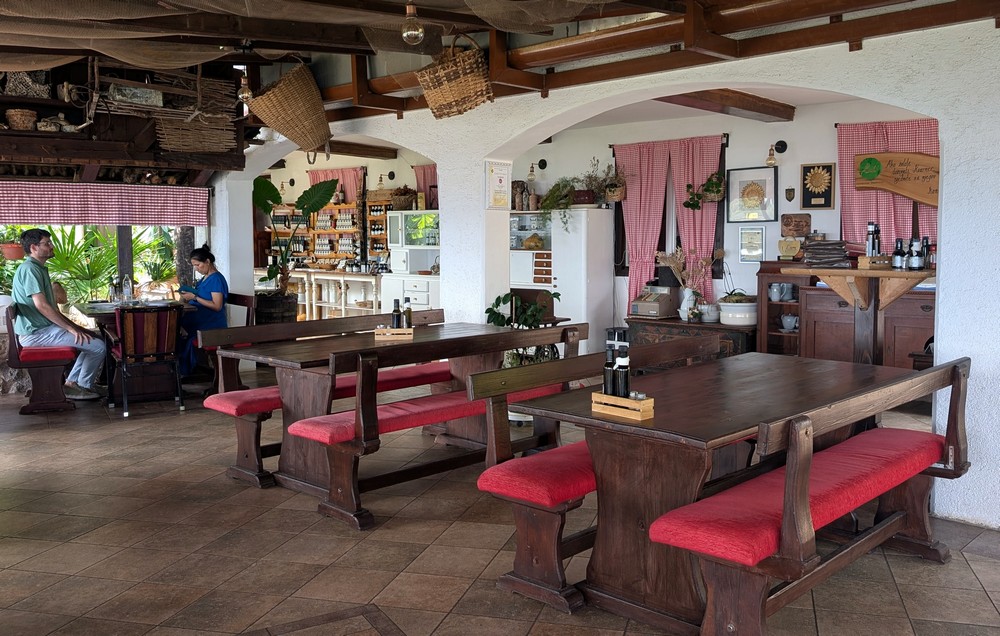
In 2004, the family opened a konoba (an authentic small tavern where locals and tourists alike gather), specializing in dishes made from regional ingredients – either from their own production or from local sources. Today, they have around 1,200 trees (fig trees, olive trees, etc.), and they produce not only their own olive oil, balsamic vinegar, and fig jam, but they also began (allegedly by mistake, as Ante revealed) making vinegar from figs, which, as a new product on the Croatian market, has already won several awards.

I also learned that they have two fig harvests a year: at the end of June and the beginning of July (St. Peter’s Day), they harvest figs for jam and vinegar, and then from mid-August to the end of August, figs that are dried or used to make other products (bread, cakes…).
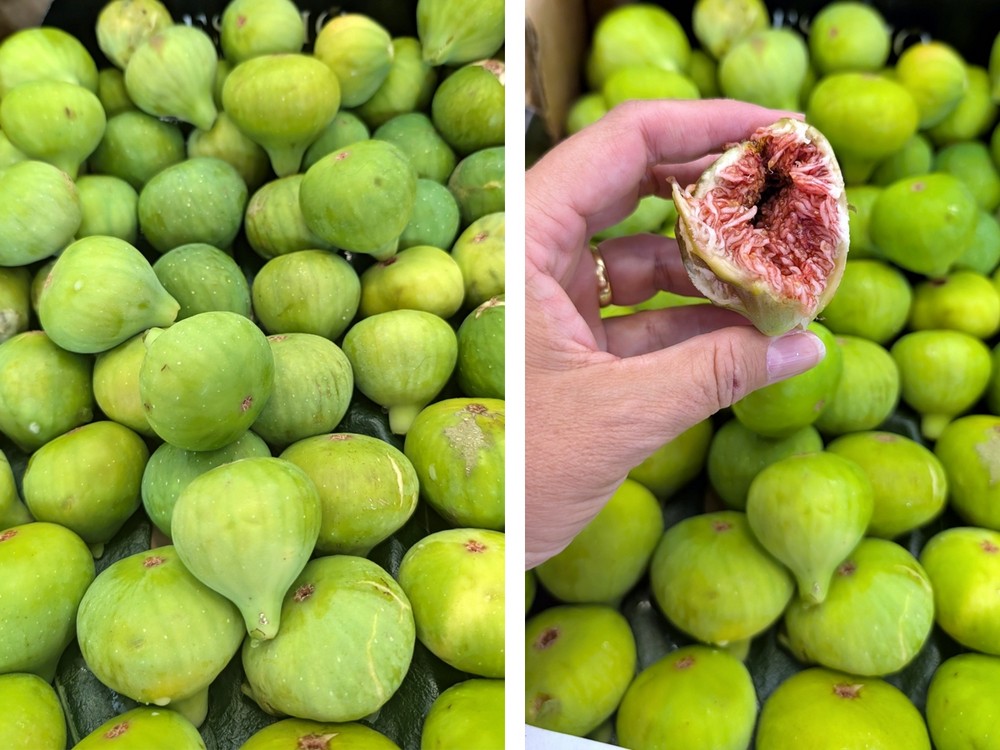
So what did I get to taste here?
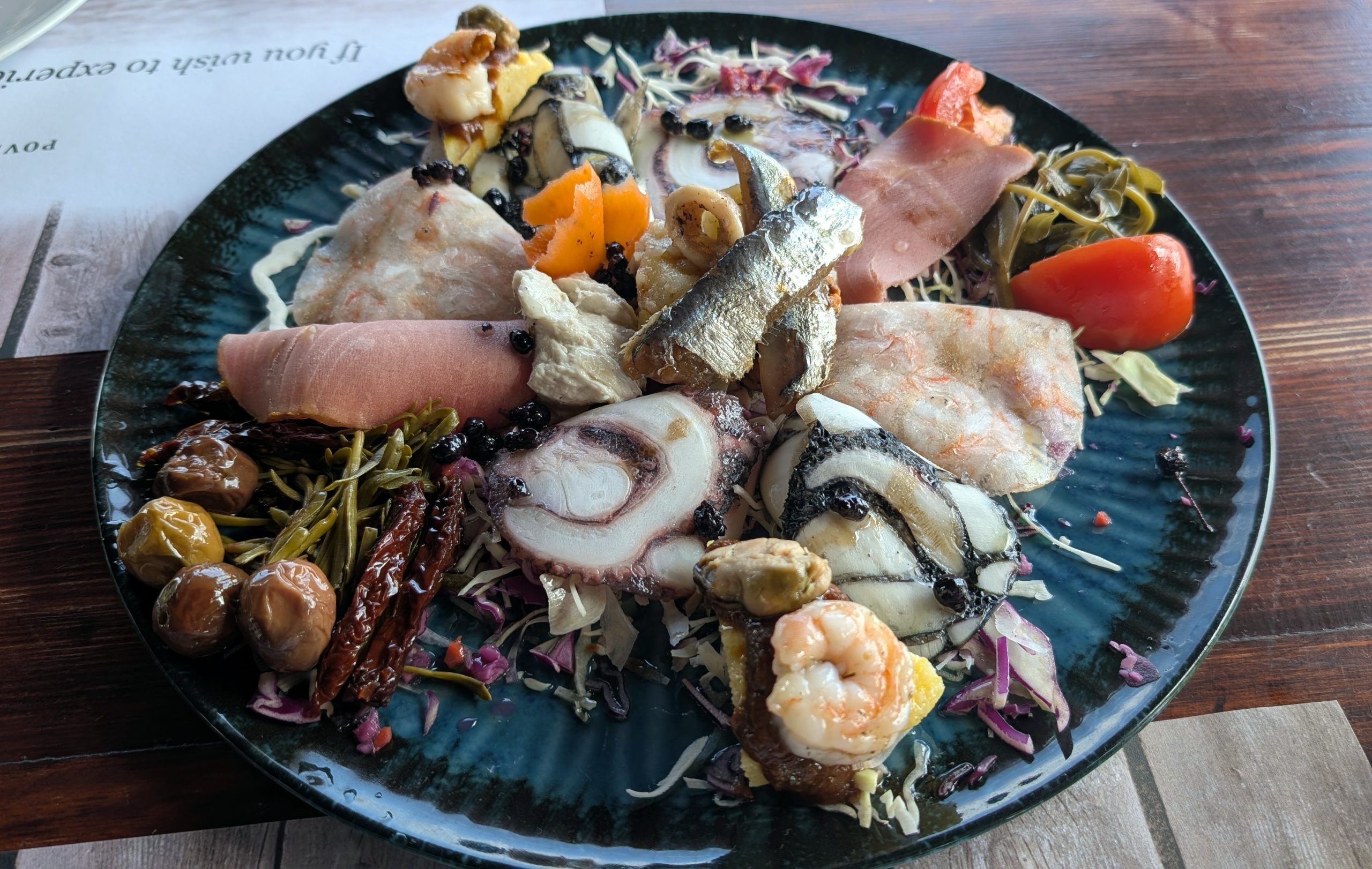
First, Ante brought us a plate of seafood – shrimp, octopus carpaccio, cuttlefish, smoked fish, mussels, marinated shrimp, tuna… – an amazing array full of colors and flavors. According to Ante’s instructions, just 3 drops of olive oil and 1 drop of fig vinegar were enough, and immediately all those delicacies took on an unmistakable flavor.
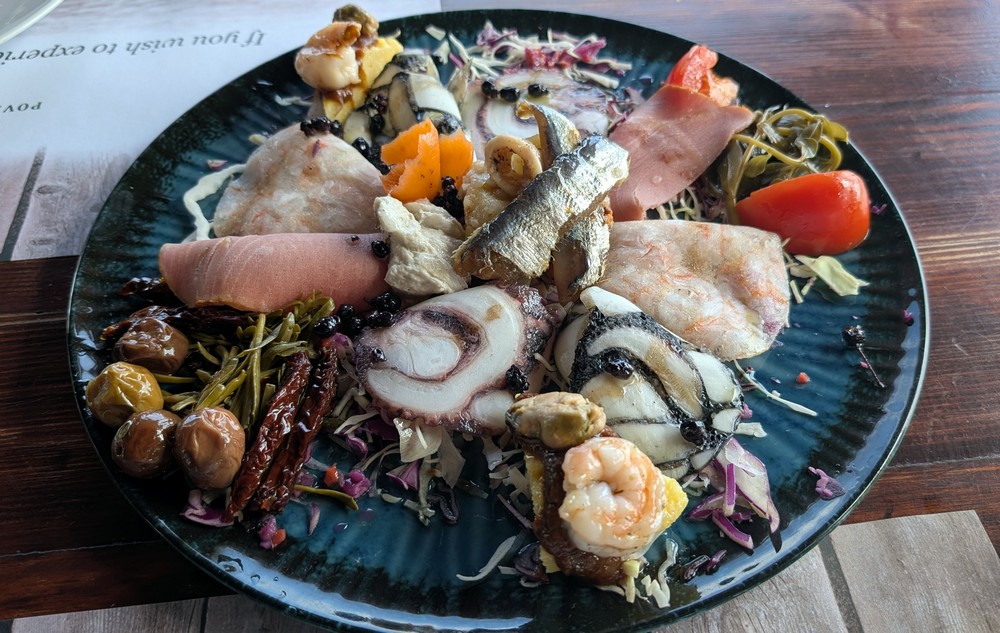
Ante also helped me identify the small black balls – myrtle – and the Mediterranean herbs (green leaves) – purslane and motar. The baked olives were just as delicious.
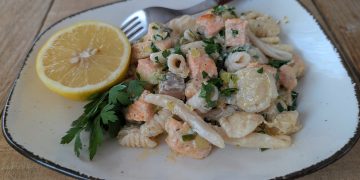
For the next course, we tasted homemade ravioli in a sauce with Kvarner shrimp (scampi) and mussels. Kvarner shrimp have thin shells and tasty meat with a delicate, sweet flavor.
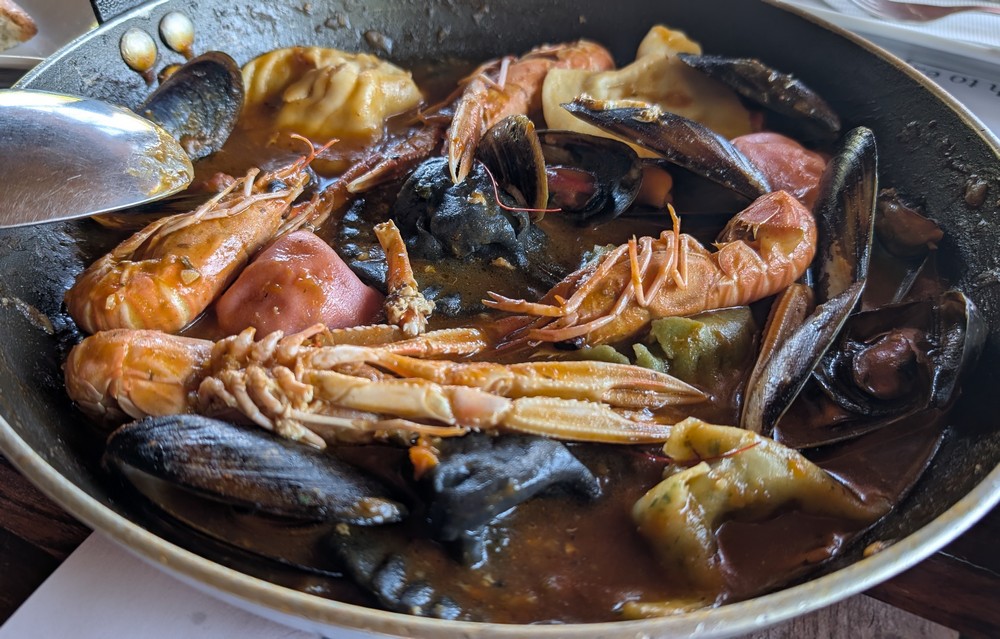
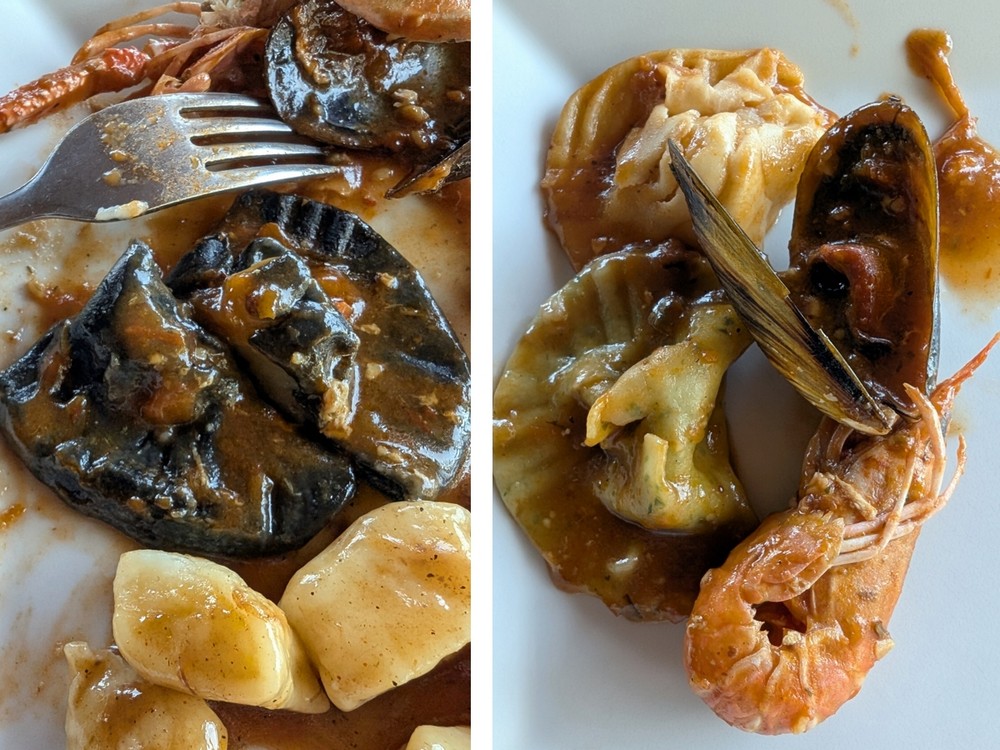
We hadn’t even finished eating when another plate was set down in front of us – venison marinated for three days, served with gnocchi. The deer live in the local Učka mountain range.

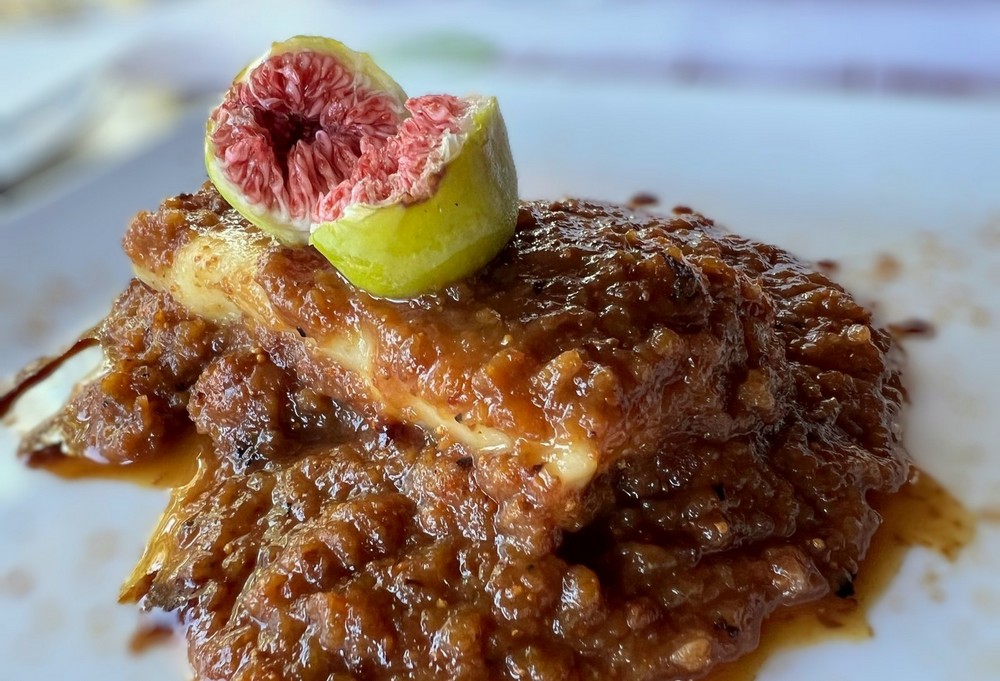
This was followed by a typical Croatian homemade dessert – štruklja, filled with cottage cheese and garnished with a fresh fig. It was clear that every dish was prepared with love. As a bonus to the meal, we had a beautiful view of Kvarner Bay from the terrace and a pleasant, gentle breeze.
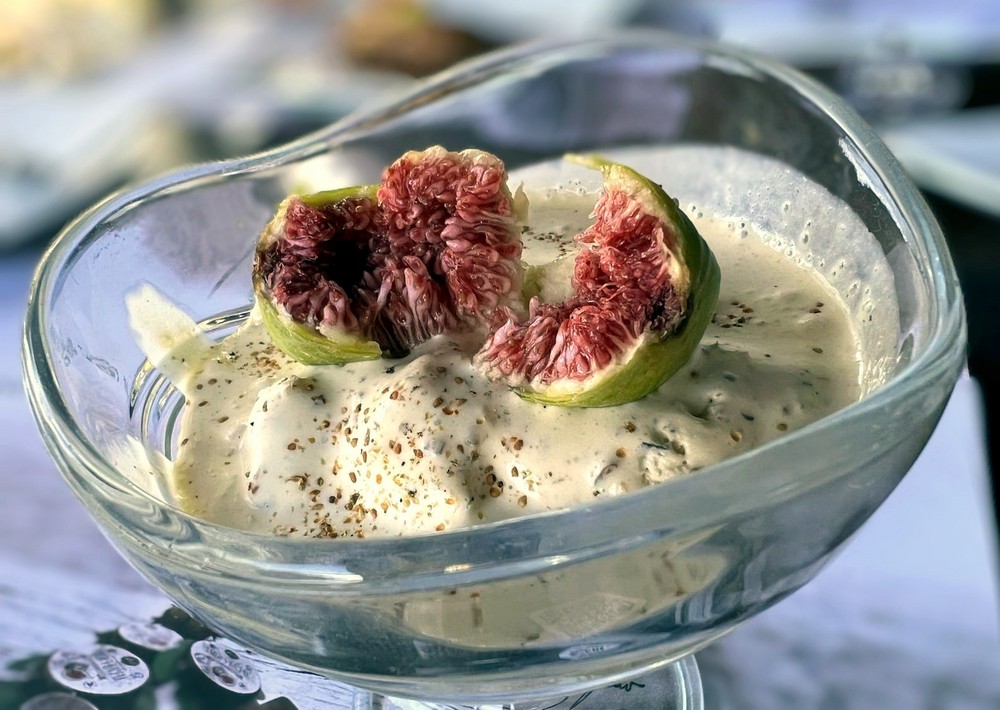
We finished our hearty and delicious lunch with fig ice cream with truffles.
I even tasted smokvenjak, which Ante sliced for us with an old knife. It’s made from figs, almonds, and raisins, and is usually eaten with rakija.
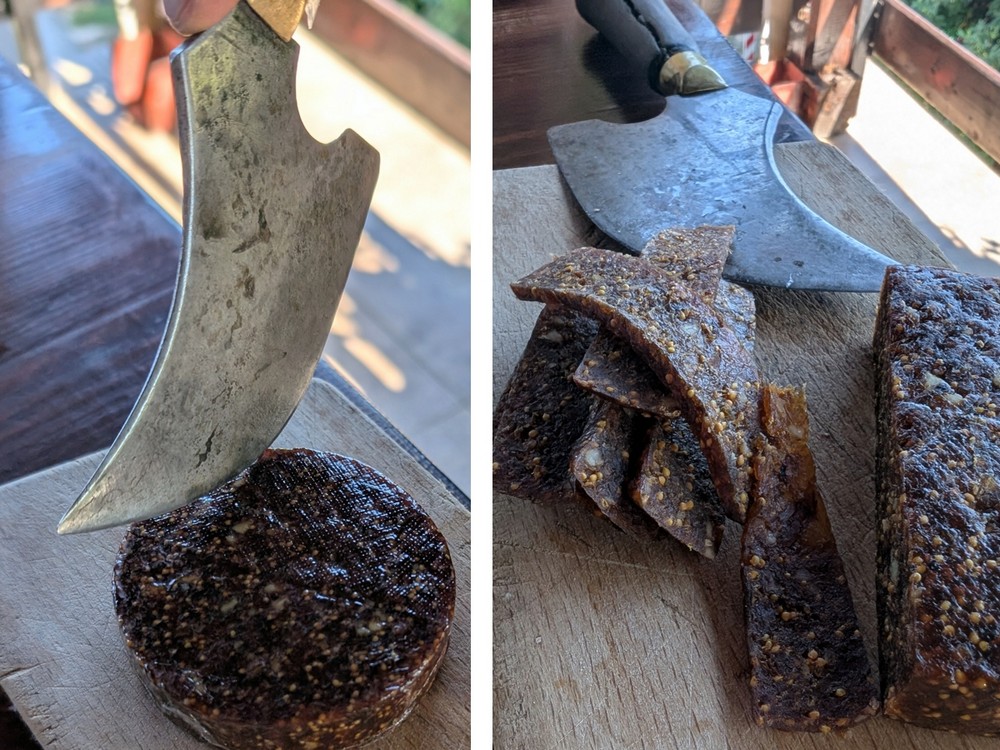
Smokvenjak is a cake, but it’s also called peasant bread. Because it is full of energy and vitamins, it gave people energy and strength after a hard day’s work in the fields.
We looked around the other rooms and the cellar, too, where Ante keeps various tools and implements, including some old ones. According to him, the village’s name comes from the word “veje.” These are the branches used to cover piles of chestnuts in winter to protect them from the rain. Chestnuts were once the main raw material in this area. They were exported from the port in Lovran to other towns.
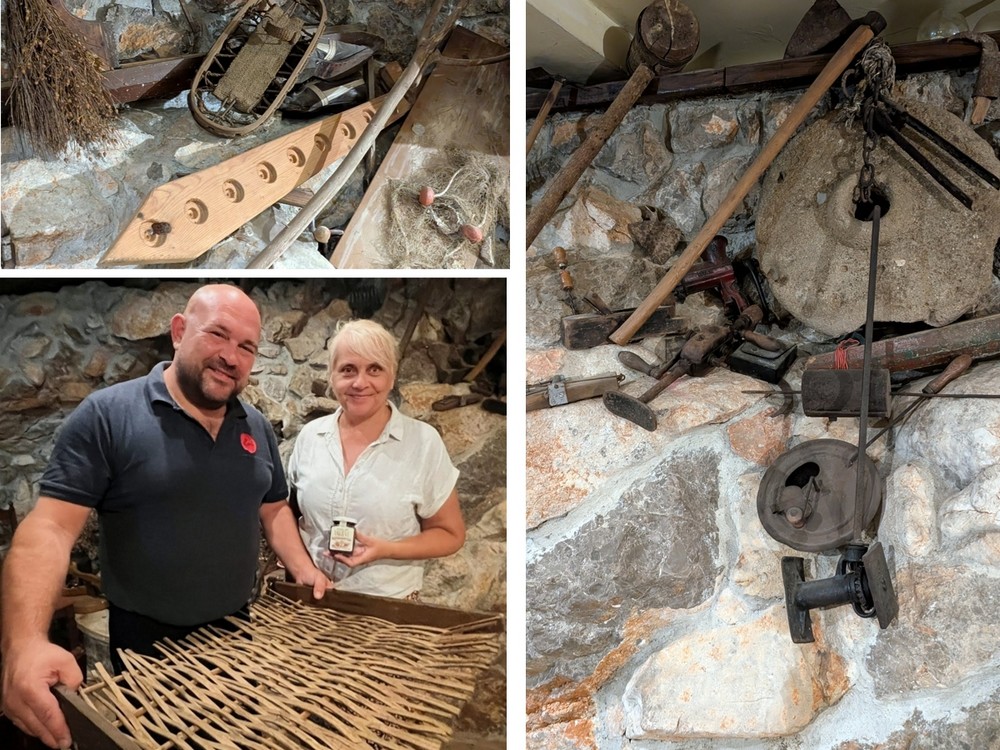
Chestnuts were boiled, but they were also used to make flour, and from that, bread, pasta, and even beer. However, tourist guides say that Medveja was named after the Greek sorceress Medea, who fell in love with this beautiful region. So choose what you prefer!
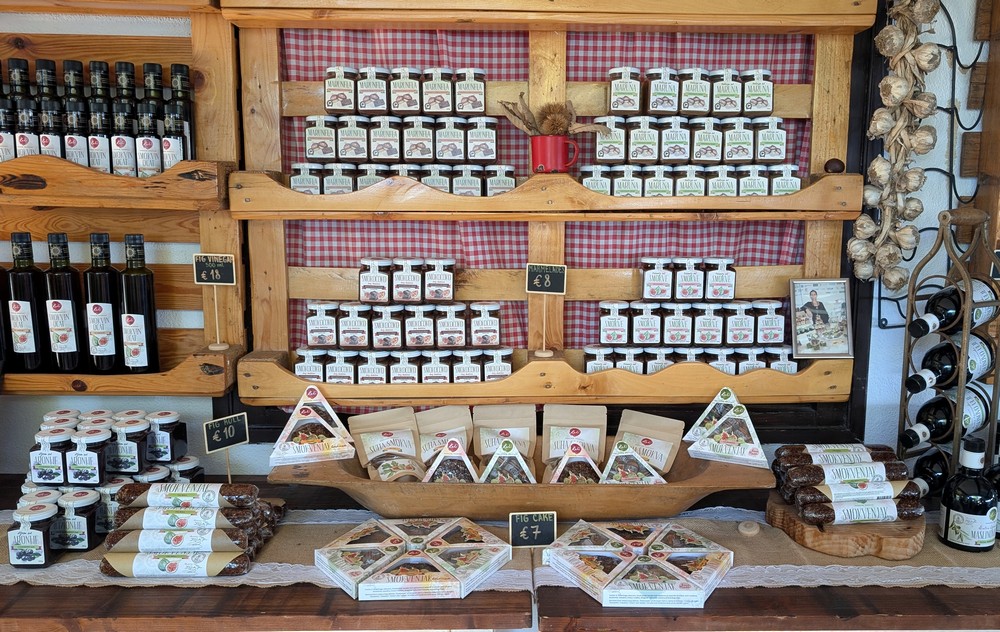
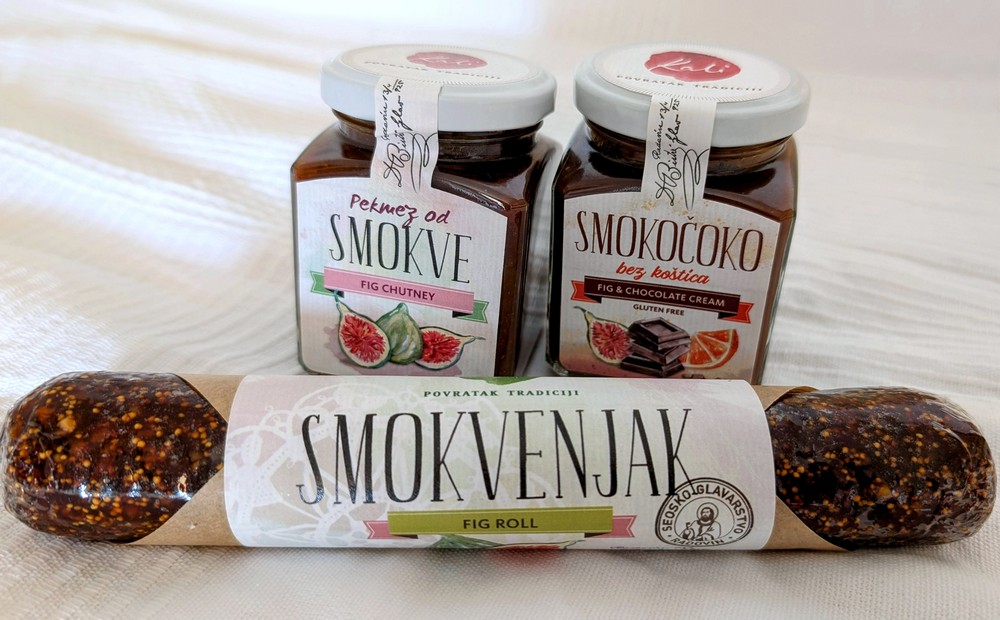
At the end of my visit, I checked out some of the other products this family-run business makes. I bought not only fig vinegar, but also a fig cake and a fig-chocolate spread.
I would like to take this opportunity to thank Karin and Ante for the invitation and the lovely meeting!
More information about the book: 100 Leading Restaurants in Croatia
More information about Konoba Kali: Konoba Kali
Prices at the restaurant are slightly higher, but fair for the quality of food.
Address: Kali 39a, Medveja
Text: © Copyright Ingrid, Travelpotpourri
Fotos: © Copyright Ingrid, Travelpotpourri