
 TRAVEL


 RECIPES WITH A STORY












 AUSTRIA-VIENNA






 SLOVAKIA-BRATISLAVA




 EVENTS







 INTERVIEWS

Marchegg is a small town in Lower Austria. It lies on the Morava River (known as the March in German, hence the name), which forms the border with Slovakia. The town was founded by the Czech King Ottokar II of Bohemia, which is why it is sometimes referred to as “the only Czech town in Austria.”
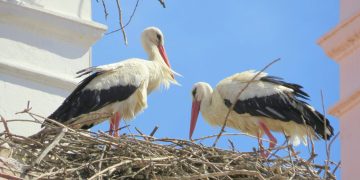
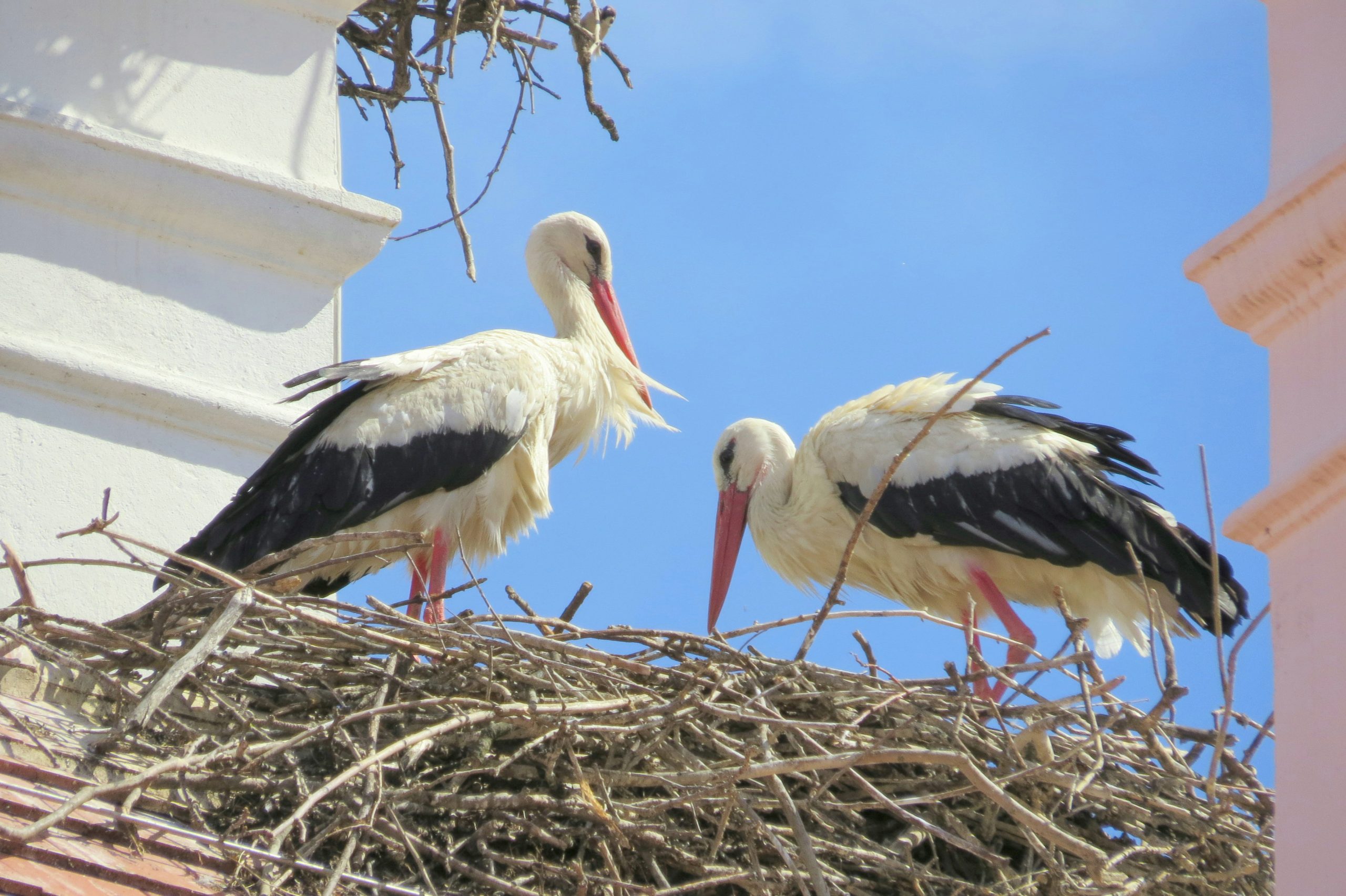
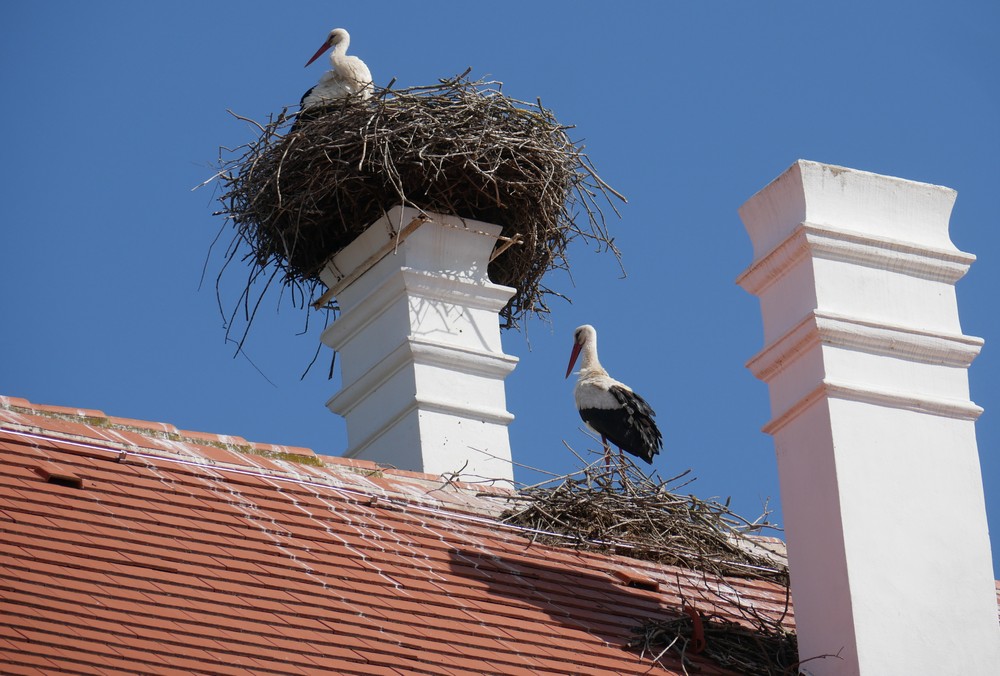
There is a castle here, built in the 13th century as a moated castle and later converted into a hunting lodge during the Baroque period. And it is precisely this castle—or rather, its chimneys and the surrounding area—that becomes a nesting site for white storks every year. Storks have been mentioned in Marchegg since 950. The colony of white storks that nest in the old castle oaks here—one of the largest in Central Europe—has been continuously recorded for over 110 years.
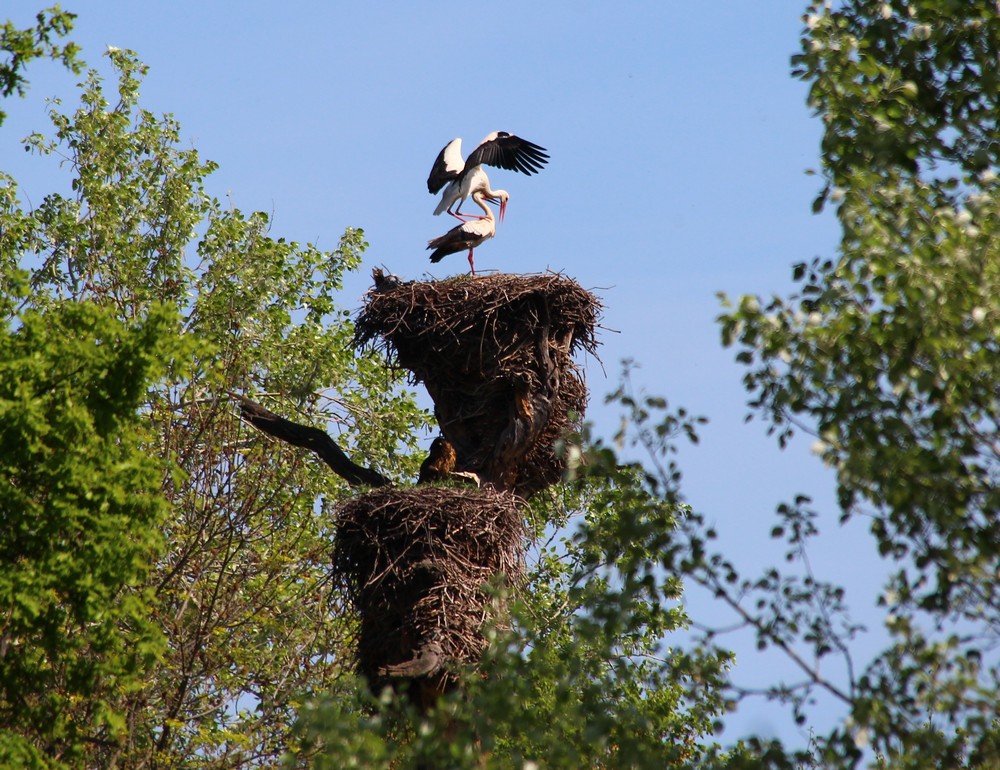
My first trip to Marchegg was in March. The trees were just beginning to bud, so we had an excellent view of the huge nests, from which a strange clattering could be heard. The male storks were welcoming the females as they flew into the nests.
The First Storks – The Arrival of Spring
In many countries, it is said that the arrival of spring is heralded by storks returning from warmer places. In Marchegg, this usually happens in mid-March, but due to climate change, it may occur even earlier. The males arrive first. Interestingly, they do not settle in their nests from the previous year, but choose the highest and most robust nest with the best view. Sometimes they even fight over a nest, with the older and more experienced one winning.
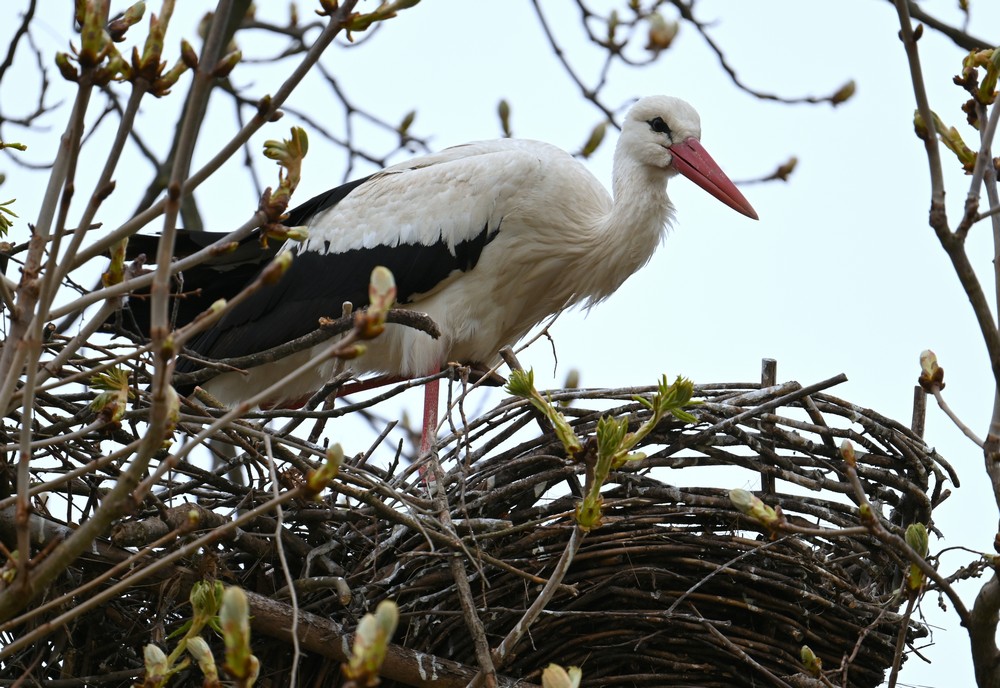
Storks immediately begin to improve their homes with fresh materials—twigs, clay, or dried grass. Over time, the nest can reach a height of up to 1–2 meters and weigh several hundred kilograms. Although storks prefer open countryside, they still occupy the nests on castle chimneys first. Who knows, maybe storks are also curious and interested in what’s happening down on the ground.
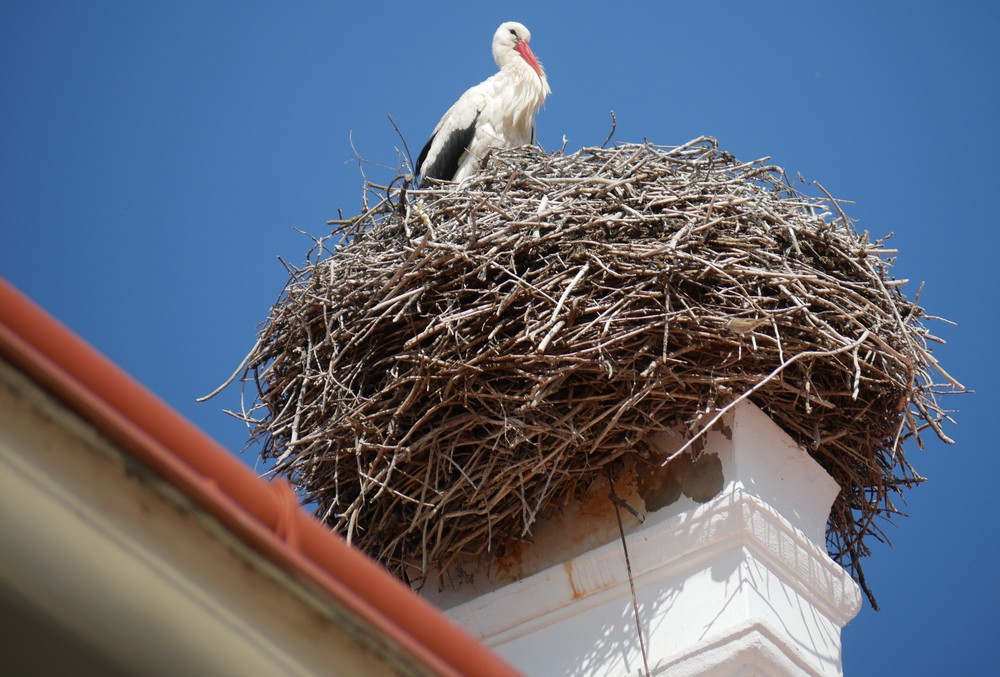
One to two weeks later, the females arrive, returning to the nest from the previous year, even though it has been occupied by another male. Then the clattering can be heard from all sides—during greeting, mating, and also when warning of danger.
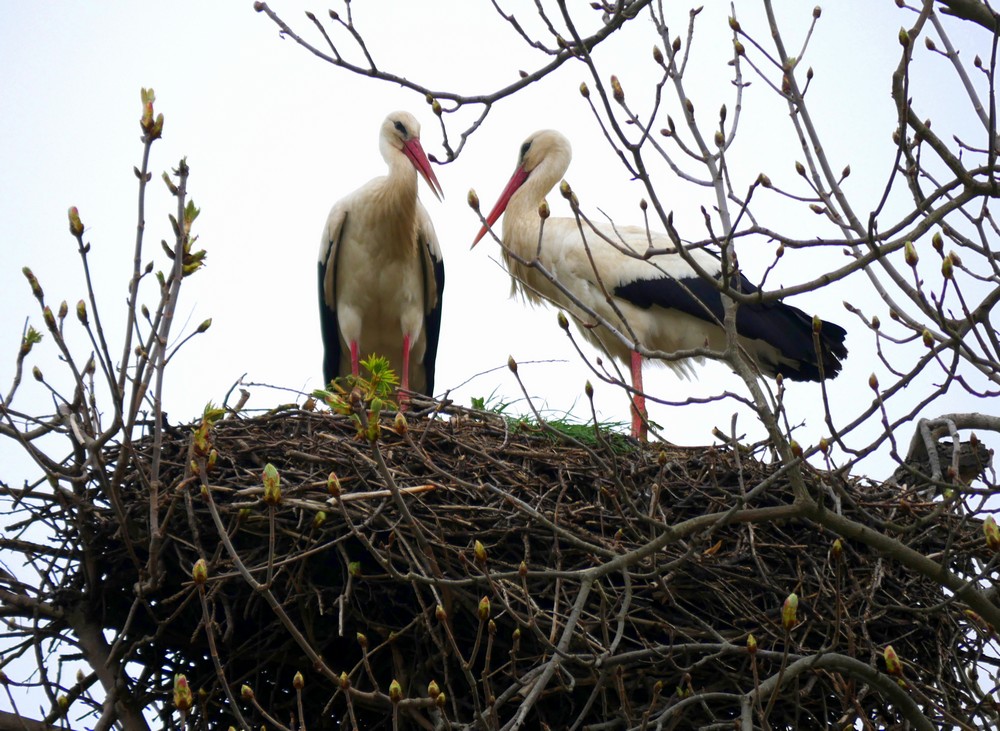 Starting a Stork Family
After mating, the female begins laying eggs, one every other day. A single nest typically contains 2–5 eggs. Storks are exemplary parents; they take turns incubating the eggs. The chicks hatch gradually, not all at once, after 25–38 days. Even then, one parent always stays with them in the nest, while the other flies off to search for food.
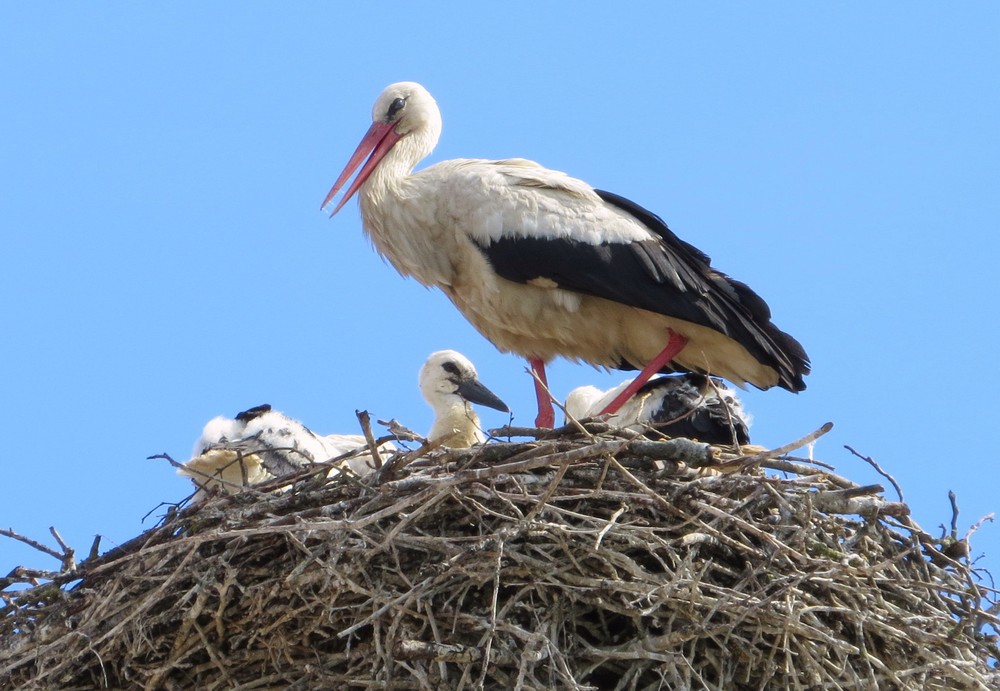 In Marchegg and the surrounding area, they have ideal conditions for catching frogs and other amphibians, snakes, lizards, insects, and voles. The “forgotten world,” once divided by the Iron Curtain between Austria and Slovakia, has retained its wild character even after the borders opened—meadows perpetually waterlogged by groundwater, marshy thickets, and swamps. If this isn’t enough for the storks, they fly across the Morava River to the Slovak side, where they find fields. It’s not uncommon to see a noisy tractor in a field with five storks standing nearby, waiting to snatch up whatever they can quickly grab.
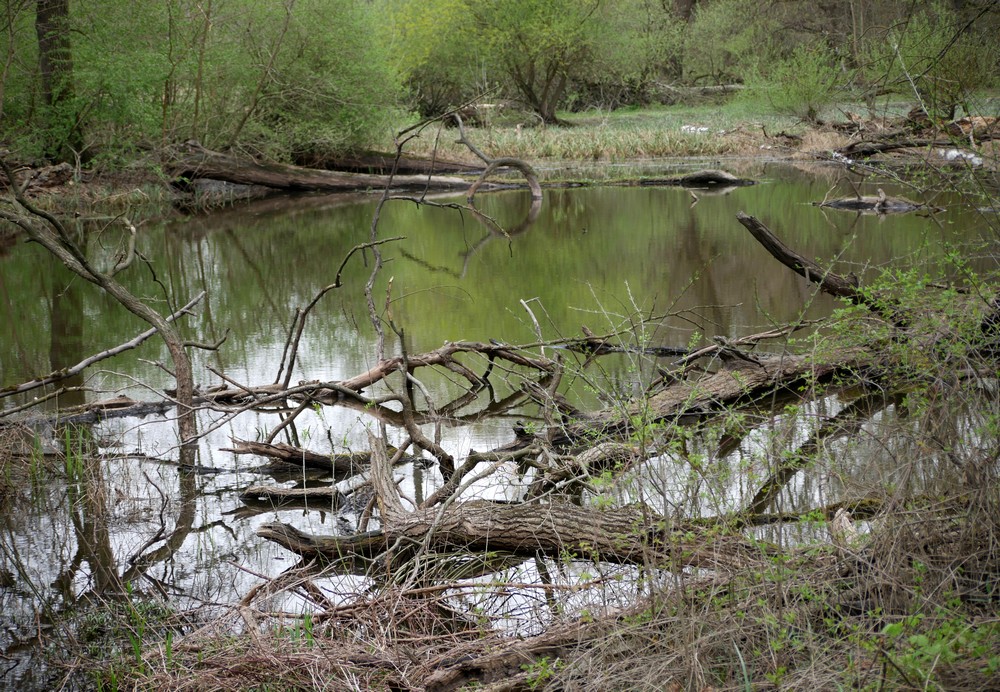
About 45 pairs of storks live in Marchegg each year. A camera monitors one nest on the castle chimney—a screen showing the current activity is located in the room where museum tickets and various local products are sold.
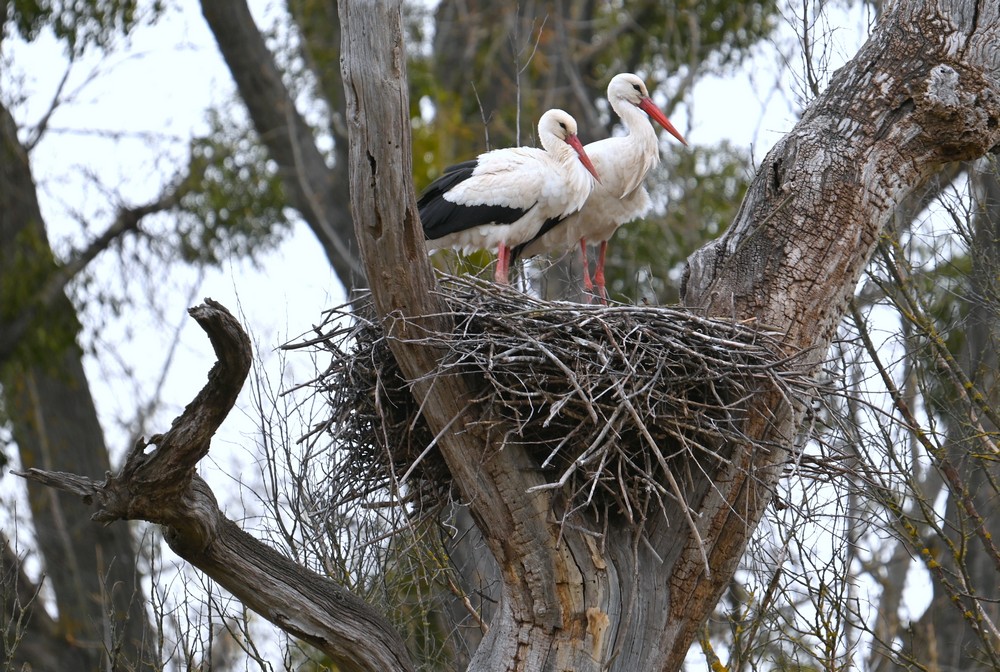 After two months, the chicks learn to fly (late June)—at first they just flap their wings standing, then come tentative attempts, a short flutter upward and immediately back down, until they finally take off, though sometimes they manage to land right in the next nest. In mid-August, the storks from Marchegg set out on a six- to eight-thousand km long journey across the Bosphorus in Turkey, over Sudan, all the way to Tanzania and South Africa. They can cover over 200 kilometers a day. There they spend the winter and then return here; the young ones only return after 2–3 years. First, they must reach sexual maturity; only then can they return and start a family.
These storks from Marchegg fly to warm countries through the place Poda in Bulgaria, near Burgas. I also mentioned this place in my article: BURGAS
 Marchegg Castle
During my second visit in mid-April, the castle was open, and I was able to tour five rooms.
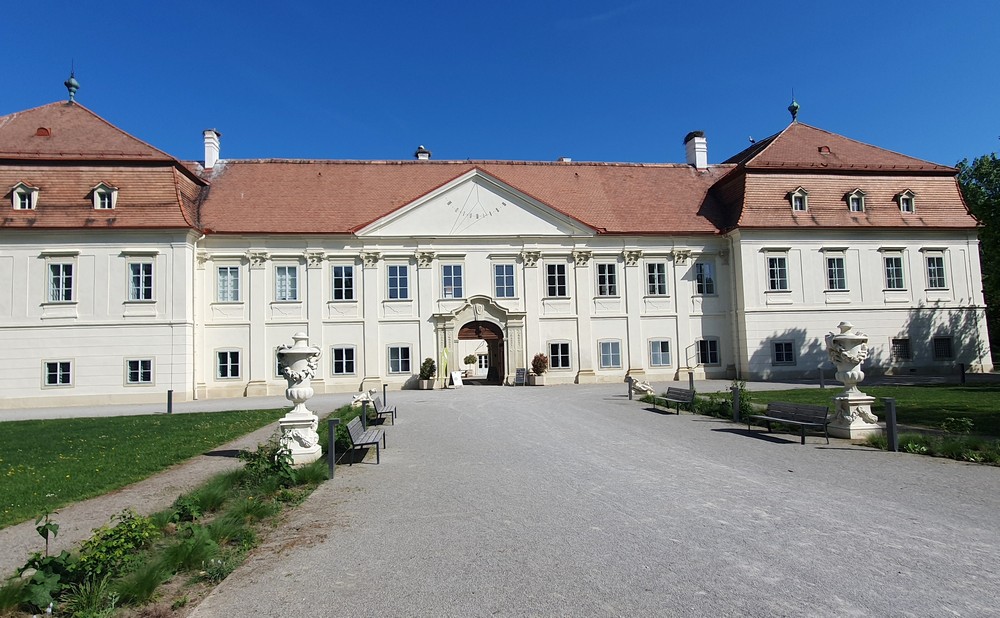 The first room was dedicated to nature and its inhabitants, including storks. In the second room, I sat down on a bench, closed my eyes, and listened to the sounds of various birds. This was followed by a room about the castle’s history. As part of the city’s fortifications, it was built in 1268 by the Czech King Ottokar II of Bohemia. Ten years later, the historic Battle of Moravian Field took place against Rudolf I of Habsburg, in which Ottokar was not only defeated but also lost his life.
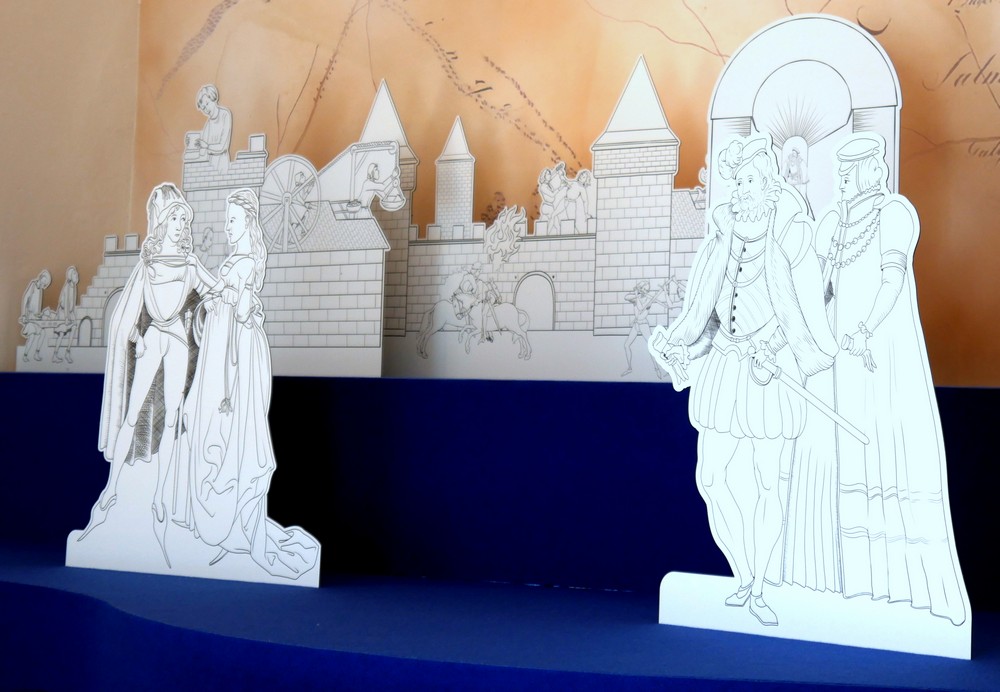 The castle was then rebuilt several times over the following centuries. It acquired its Baroque appearance under the Pálffys, who used it as a hunting lodge and summer residence. In the fourth and fifth rooms of the castle, I watched a short film about how the castle changed over time, as well as a model of the town of Marchegg, including its walls.
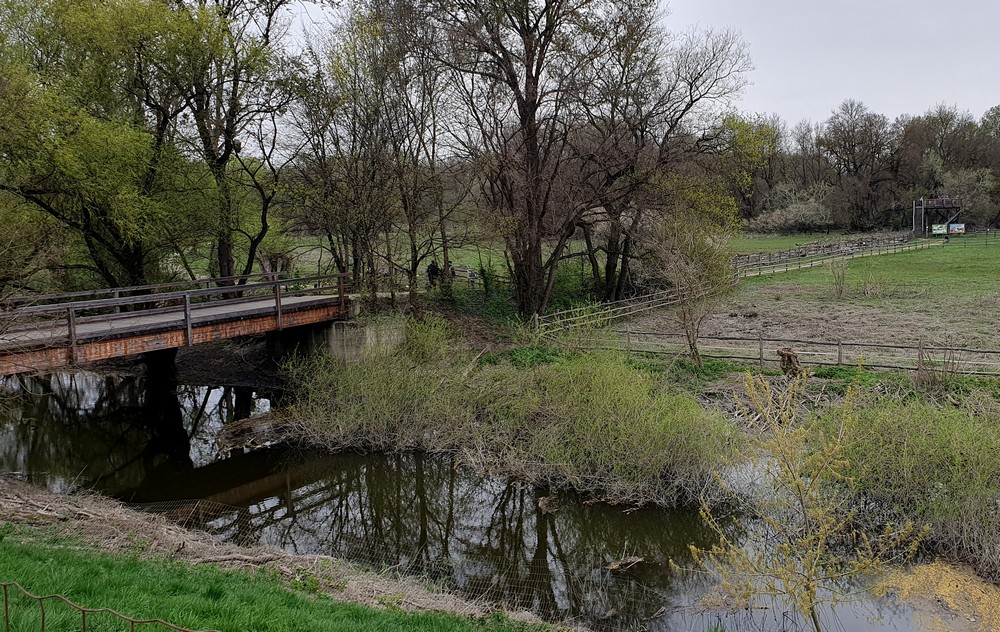 Adjacent to the castle park are the former hunting grounds, which are now designated as the Untere Marchauer Nature Reserve. In a nearby meadow, there is an observation deck from which you can see stork nests in the large old oak trees. These trees are easy for storks to fly to, and the birds also have a good view from there.
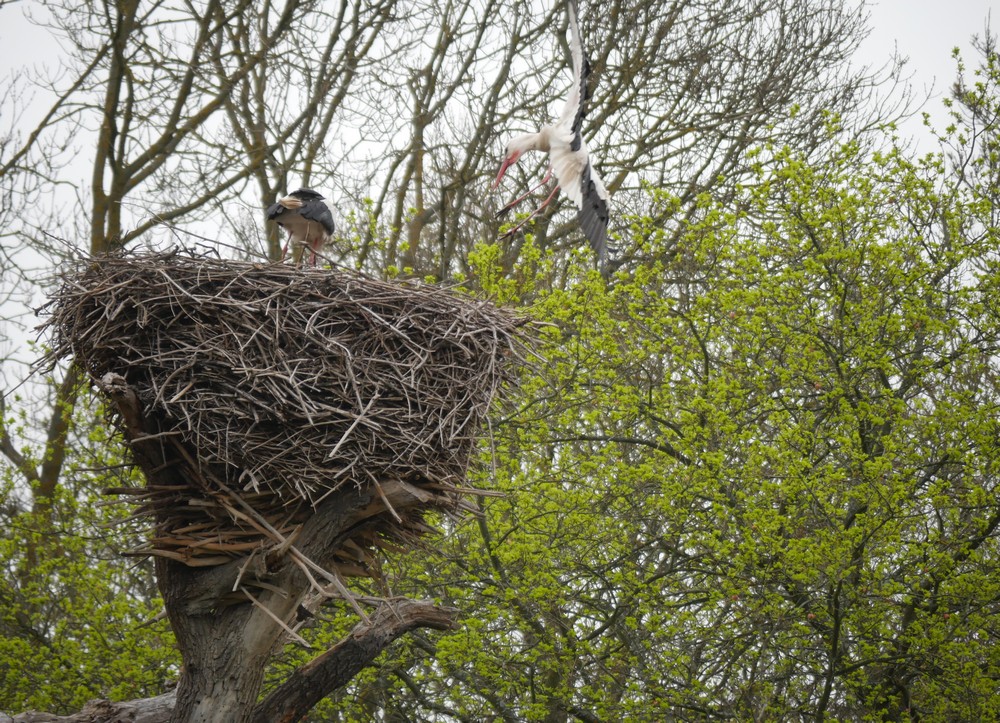
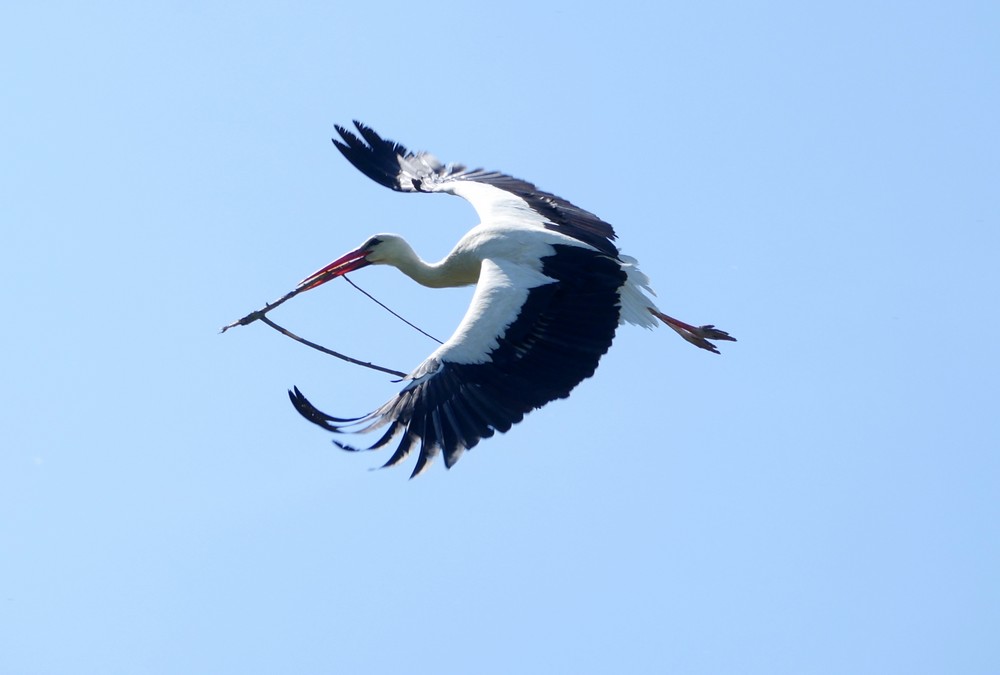
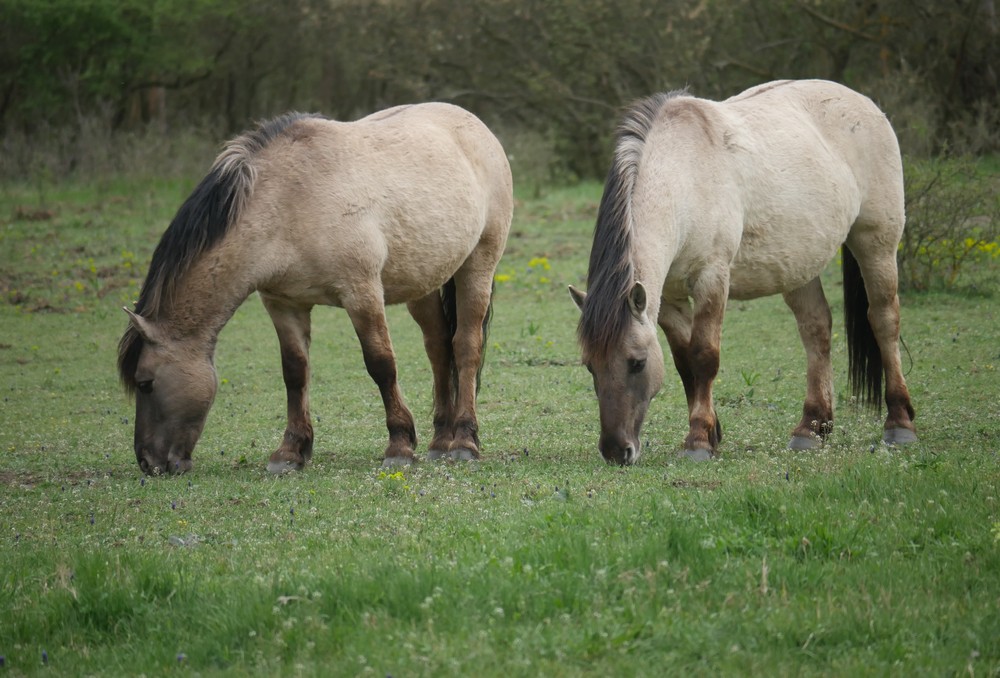
During our walk, a stork occasionally flew overhead, carrying twigs to its nest; frogs croaked in the marshes, and we even found a herd of Polish horses.
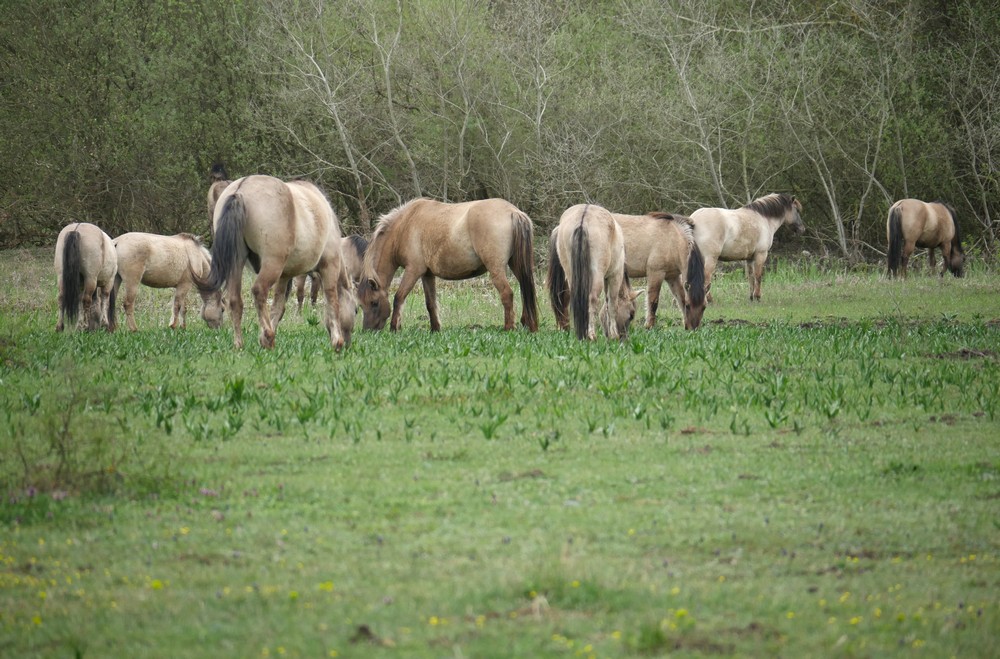
They are sturdy animals. They were brought to this area in April 2015 from the Popielno reserve in Poland as part of an Austrian WWF project to protect the floodplain landscape.
Although these horses are gentle animals, petting or feeding them is prohibited.
 How to Get Here:
– From Vienna: by car (50 km) or by train from the Central Station (33–50 minutes)
– From Bratislava: by car (approx. 34 km), by train from the Central Station (20 minutes), or by bike – the route: Devínska Nová Ves/Devín – Cycle Bridge (Most Slobody) – Schloss Hof – VysoMarch Cycle Bridge – Marchegg (25–35 km, easy)
 Text: © Copyright Ingrid, Travelpotpourri
Fotos: © Copyright Katka a Ingrid, Travelpotpourri