
 TRAVEL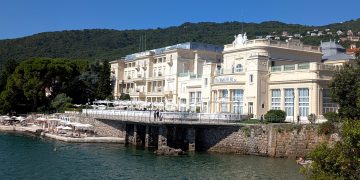


 RECIPES WITH A STORY











 AUSTRIA-VIENNA




 SLOVAKIA-BRATISLAVA


 EVENTS






 INTERVIEWS

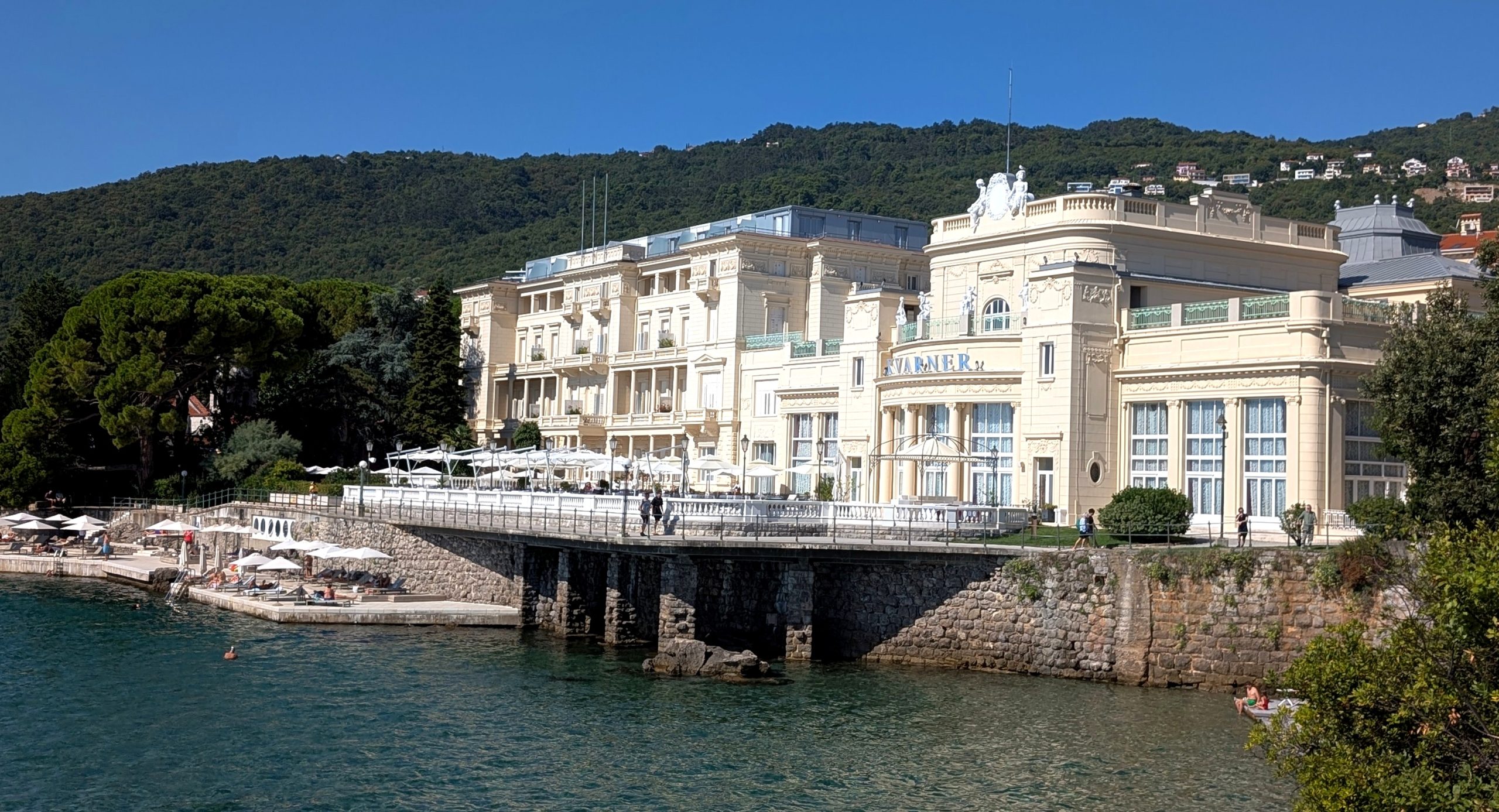
If you’re planning a summer trip to Croatia and choose a resort near Opatija, be sure to visit this town, which exudes the charm of the old days of the Austrian monarchy. A seaside promenade named after Emperor Franz Joseph I, also known as the Lungomare, runs through Opatija, so you can spice up your seaside stay with a pleasant stroll along this paved path winding right along the sea.
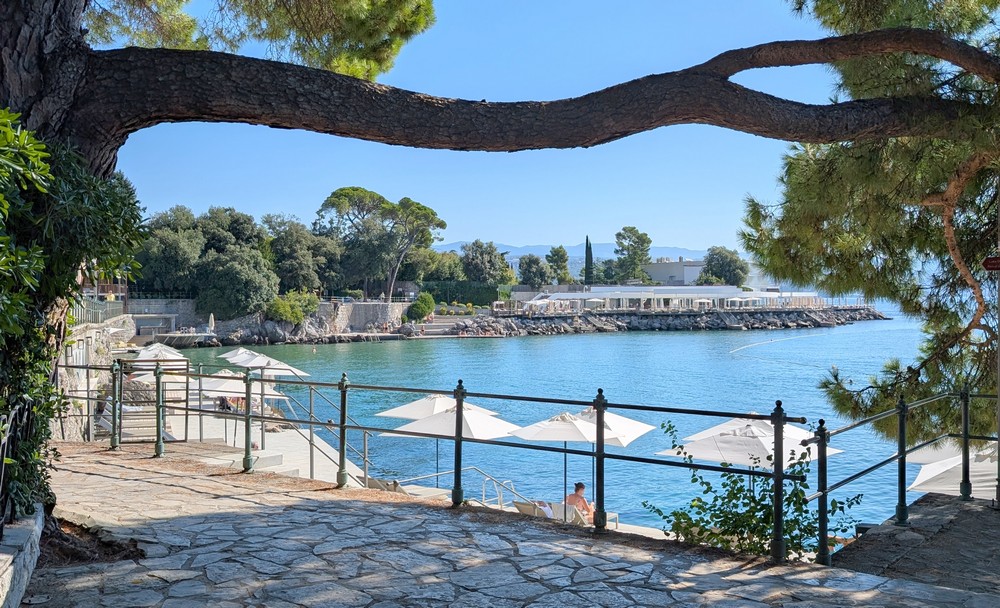
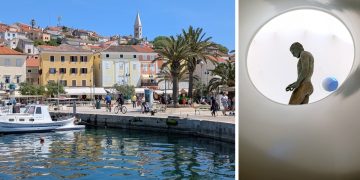
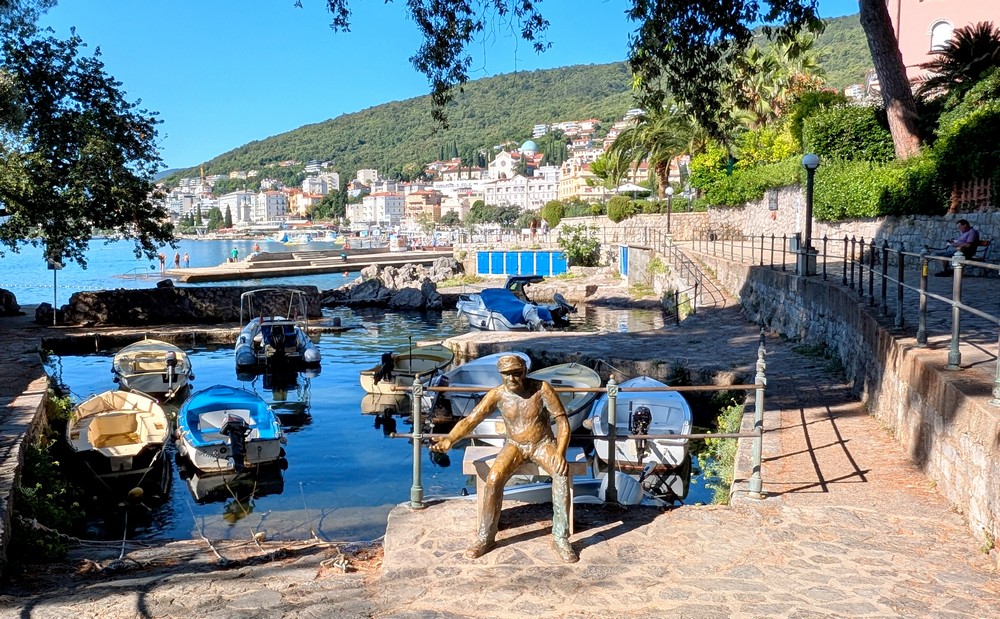
Old trees provide cool shade, and benches offer beautiful views of the bays. The sea waves lap against the rocks, bringing with them old stories from a time when the area was inhabited mainly by shepherds and farmers, and almost no one knew how to swim or steer a boat. It took an entire generation for the locals to realize that a living could be earned in a less strenuous way, rather than just through backbreaking labor with a hoe in the fields. A bronze statue „barkajolo“ in the small port of Portic commemorates the boatmen, who, in addition to goods, began transporting spa guests on their boats.
150 Years Ago
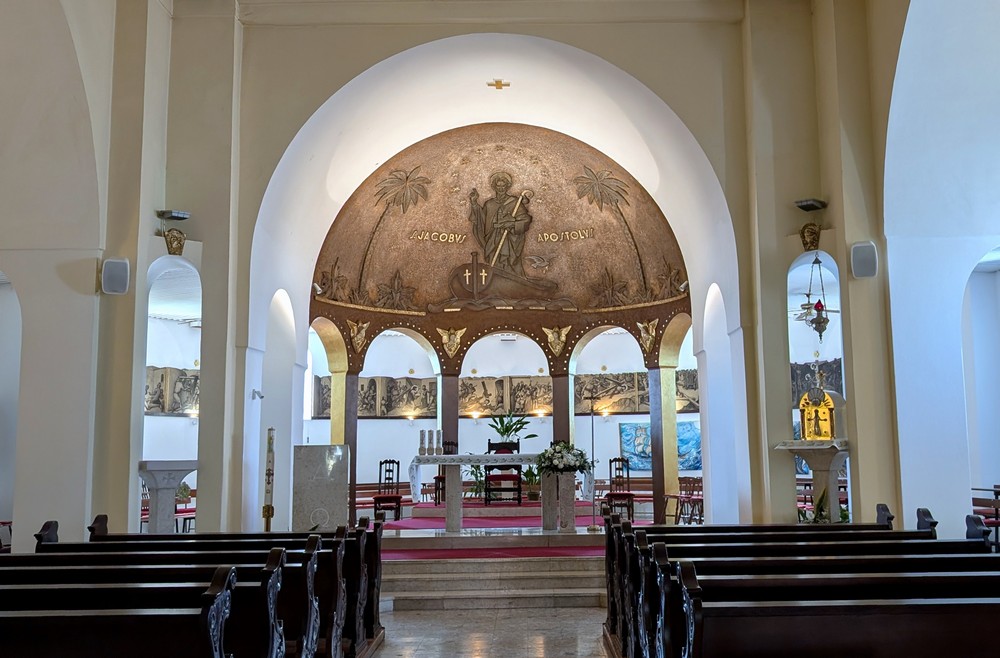
One of the first places I visited in Opatija was St. James’s Church, built around 1420 by Benedictine monks. Their colony gave the town its name – not only in Croatian, but also in Italian: abbazia = abbey.
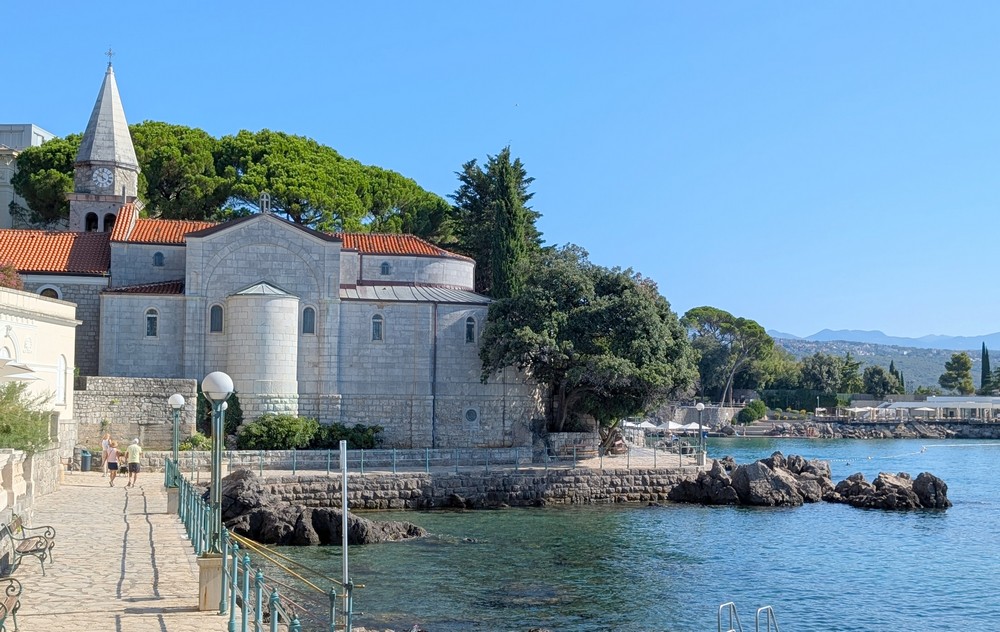
The church’s interior is relatively simple. Little remains of the original, oldest structure in the town.
Abbazia began to write its history as a legendary resort only in the second half of the 19th century. The romantic bay, lined with green hills, caught the eye of the wealthy merchant Iginio Scarpa from nearby Rijeka.
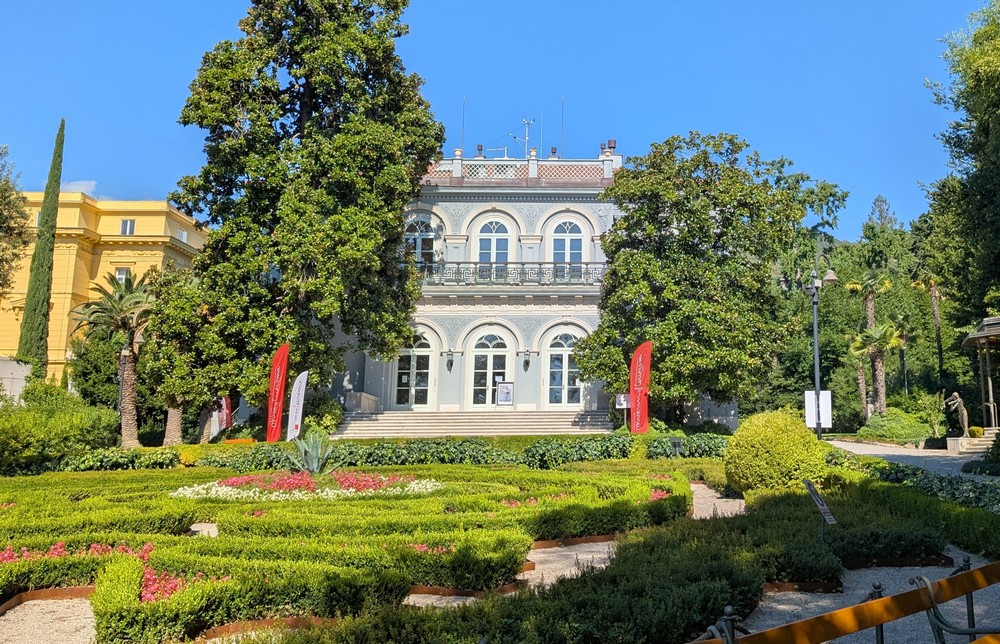
In 1844, he had the summer Villa Angiolina (named after his wife) built here, and as a great lover of botany, he established a botanical garden featuring exotic plants imported from all over the world: cypresses from the Himalayas, bamboo and camellias from Japan, cedars from the Atlas Mountains and firs from the Caucasus.
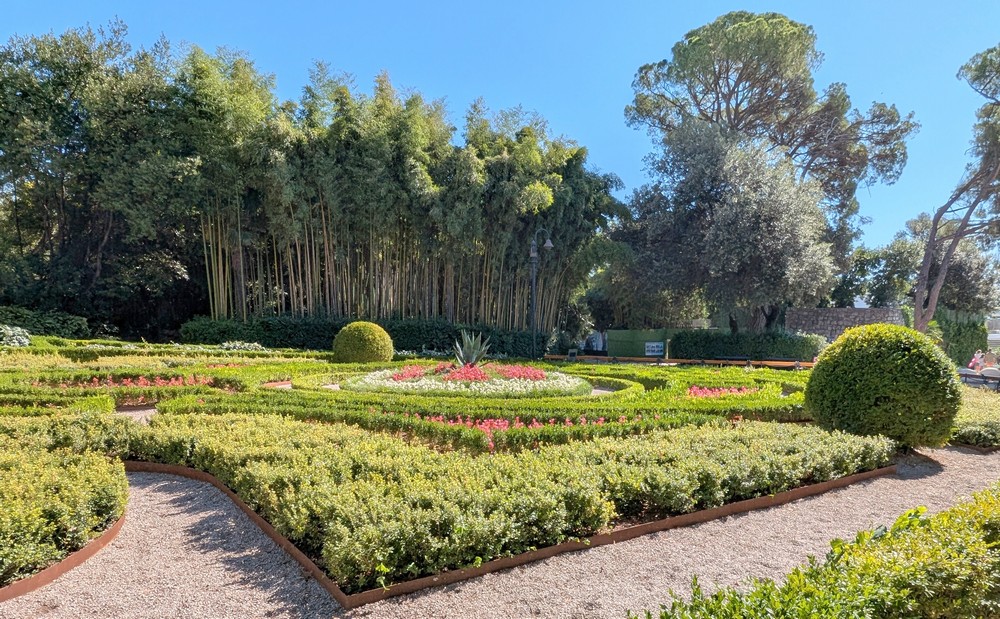
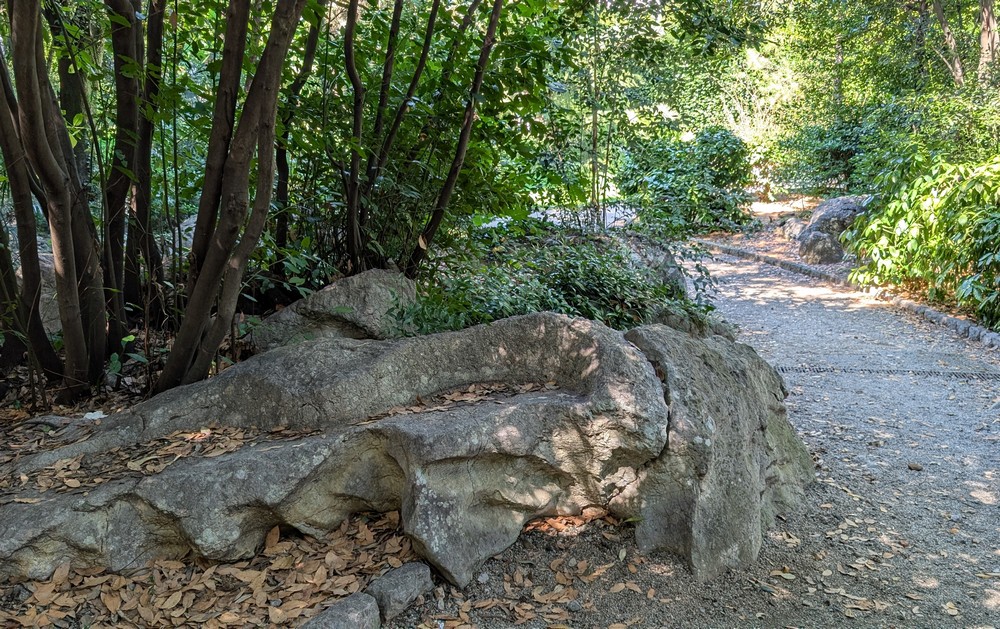
Today, the garden has become the town’s central park. You can still admire the exotic trees, which provide pleasant shade even on hot summer days. In the past, blocks of ice brought here from Alpine glaciers were used in the parks to keep visitors cool. Twenty stone benches remain from those days, though many have almost blended into the surroundings.
The villa now houses a museum where you can learn about the development of tourism in this dream destination in the south of the Austrian monarchy, which travel guides called the Pearl of the Austrian Riviera.
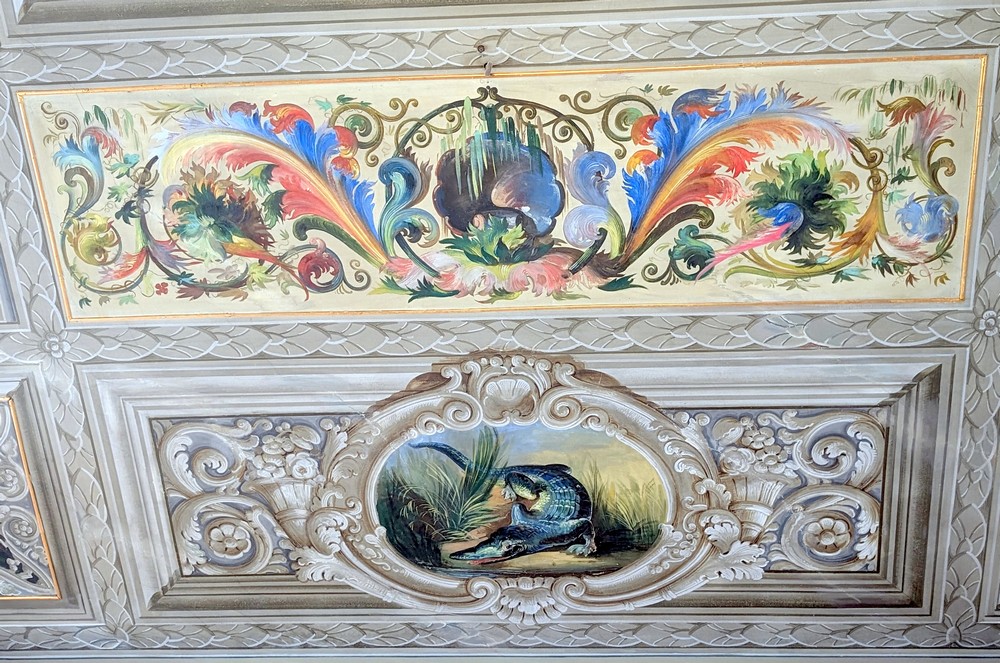
If you visit the museum, don’t forget to take a look at the richly decorated ceiling. Who will be the first to spot the crocodile?
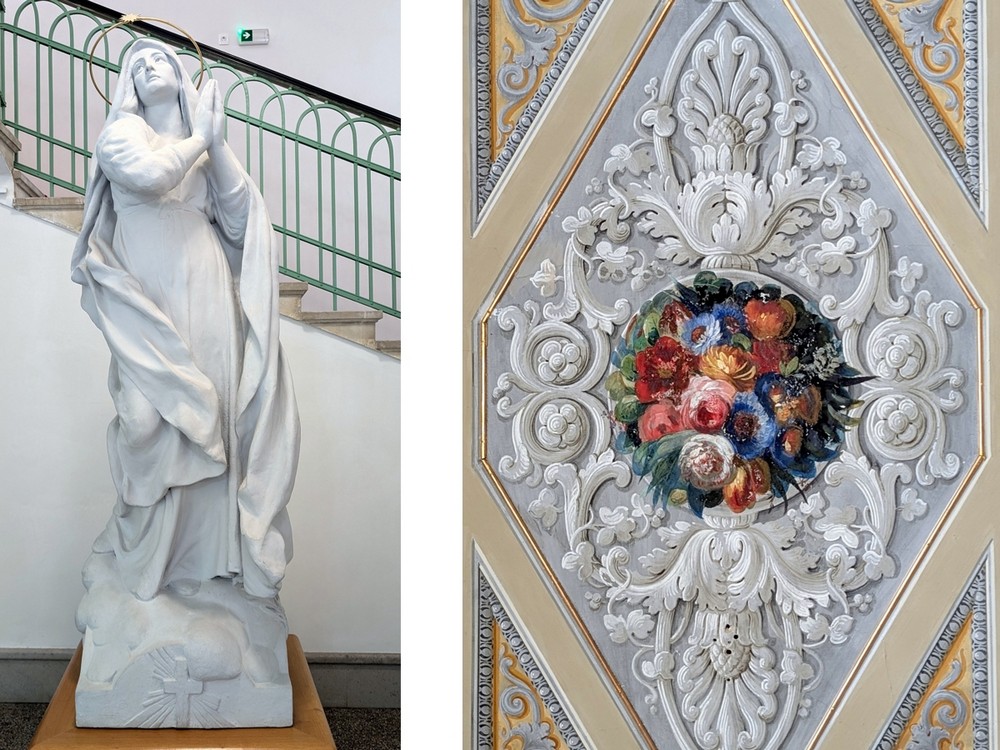
You’ll also find the original statue of the Madonna del Mare here, which we’ll discuss later. Now back to history.
“Little Monte Carlo”
When Scarpa began inviting distinguished guests to his villa, the Southern Railway Company soon took an interest in the place. The bust among the banana trees in the park is dedicated to the company’s general director, Friedrich Schüler.
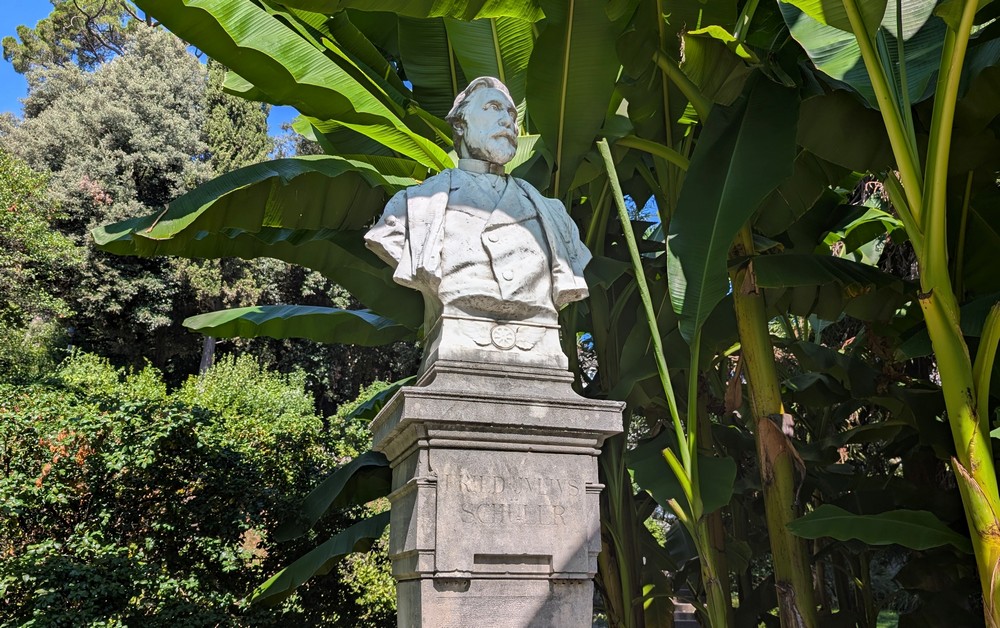
He was a talented entrepreneur with a vision. The privileged Imperial-Royal Southern Railway Company purchased Villa Angiolina in 1882, and Schüler used it as a base for planning the tourist infrastructure. The railway connected Vienna with Rijeka (then Fiume) – but when the line was extended all the way to Abbazia, the Austrian nobility quickly realized that they could travel here in comfortable, luxurious carriages with a full staff and plenty of luggage, and that it might even be better here than on the French Riviera. A golden age dawned for Abbazia. The Southern Railway Company began building hotels here.
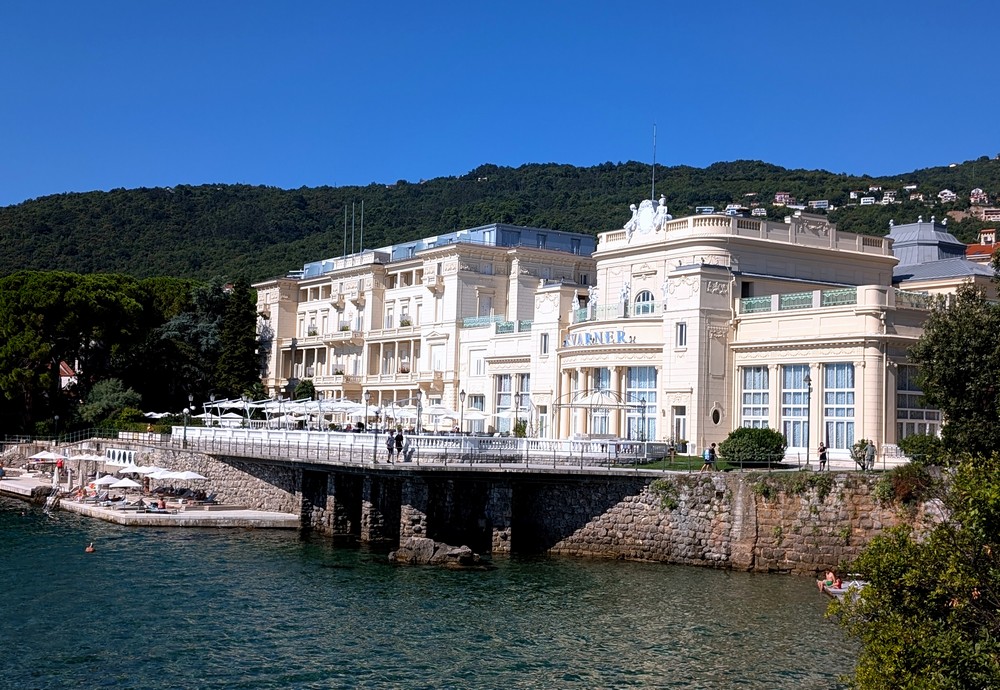
The first was the Hotel Quarnero (Kvarner), built in 1884 on the site of former vineyards, originally intended as a sanatorium for lung diseases. The materials for its construction, as well as the craftsmen who built it in a record ten months, came from all parts of the monarchy.
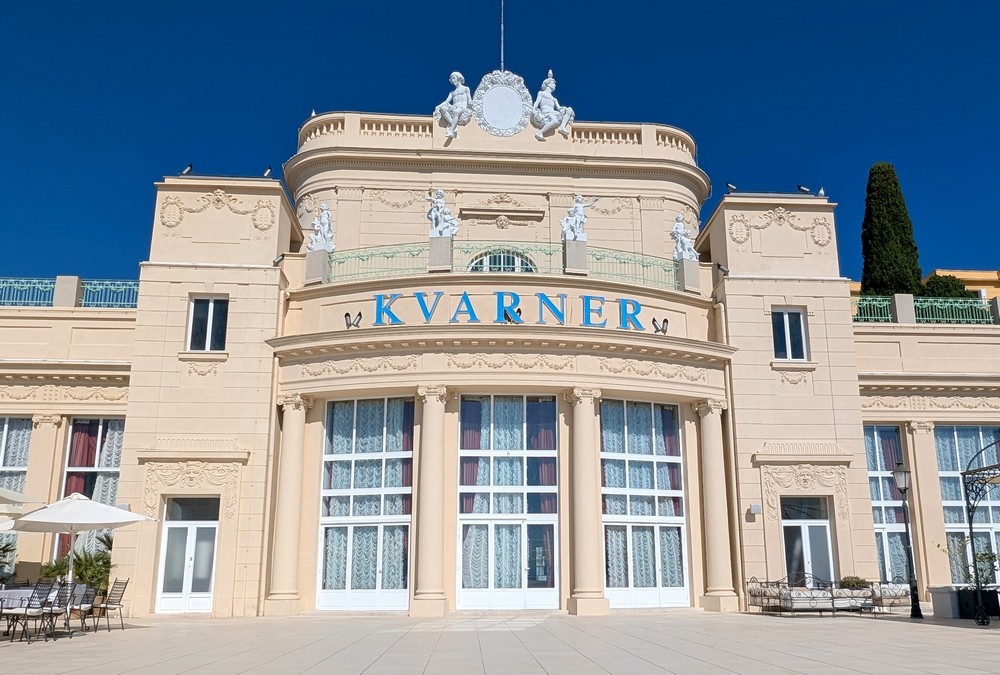
The neoclassical building has retained its former elegance and remains one of the most beautiful hotels on the city’s waterfront.
A year later, the Grandhotel Kronprinzessin Stephanie was built – named, not coincidentally, after the wife of the heir to the throne. The couple attended the grand opening.
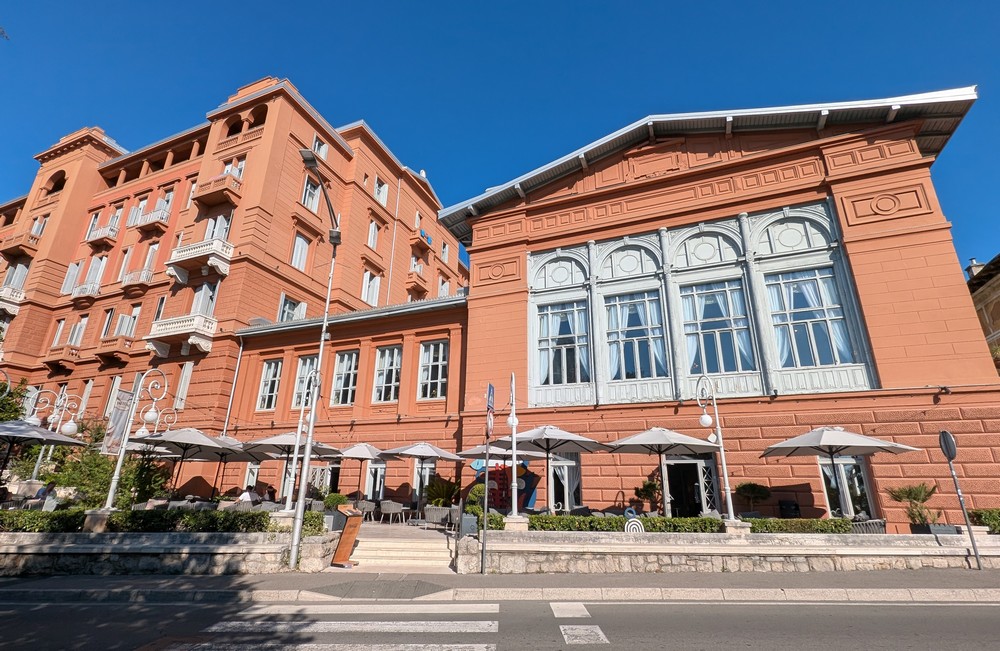
Even then, the hotel featured central heating, a swimming pool and a cinema. It later changed its name several times (Regina Elena, Moskow, Central); today it is known as the Imperial, where hotel guests still enjoy breakfast in the magnificent dining room beneath opulent crystal chandeliers.
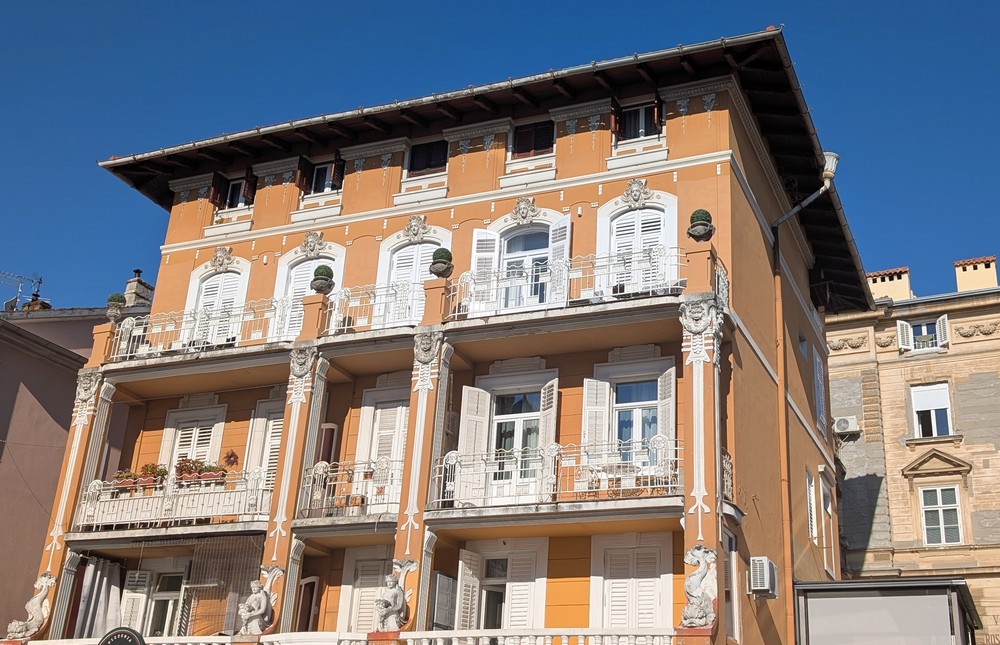
Soon, more hotels and villas, a promenade, parks, and a casino were added. Subsequently, as many as two tourist guides were published. In 1889, the emperor declared Abbazia the monarchy’s first seaside resort, and so it became the Adriatic equivalent of Karlovy Vary, the most fashionable inland spa of the time.
Famous Guests
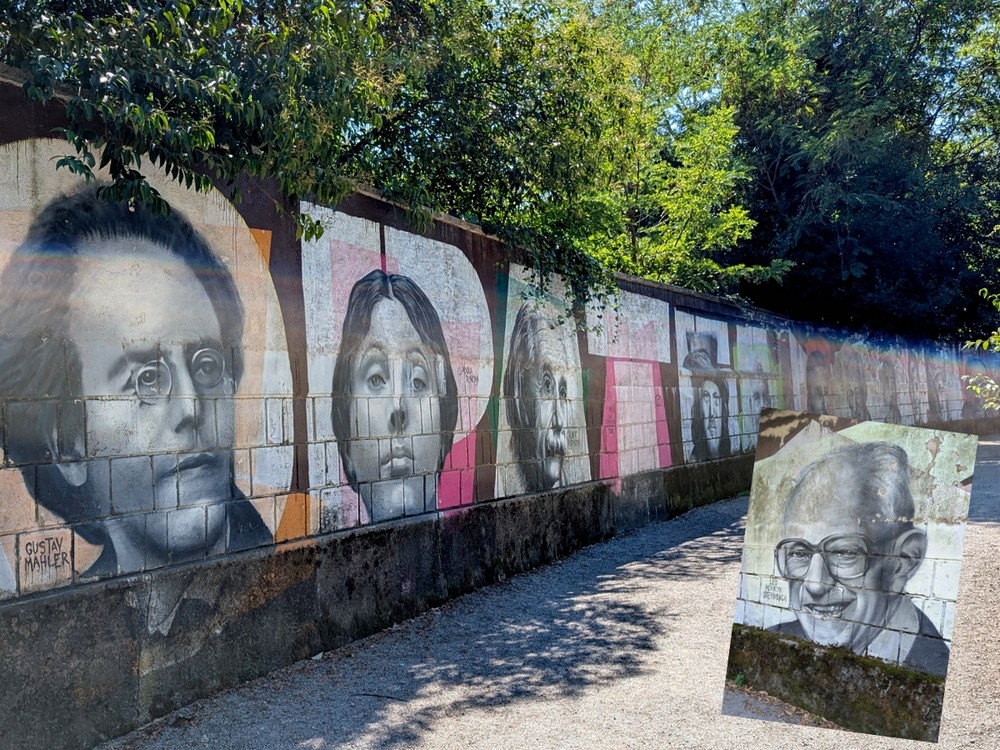
A special imperial waiting room was set up at the train station, and the list of distinguished guests began to grow rapidly: Austrian Emperor Franz Joseph I, German Emperor Wilhelm II and his wife, Carol I of Romania, Bulgarian Tsar Ferdinand I, George I of Greece, William IV of Luxembourg, King Emmanuel III of Italy, King Oscar I of Sweden and Norway, as well as many wealthy people, composers (Puccini, Lehár, Mahler), and other artists and writers. Portraits of several of these personalities can be found in the park. Leo Sternbach (pictured on the right) is also there; we will mention that name later.
High society traveled here in the summer for the shade of the tall pine trees and in the winter for the sun, as winters here were much more pleasant than in cold Vienna. Many of these distinguished guests stayed at Villa Amalia, especially if they preferred privacy away from the bustling hotel. Regular visitors included the Habsburgs and the German imperial family.
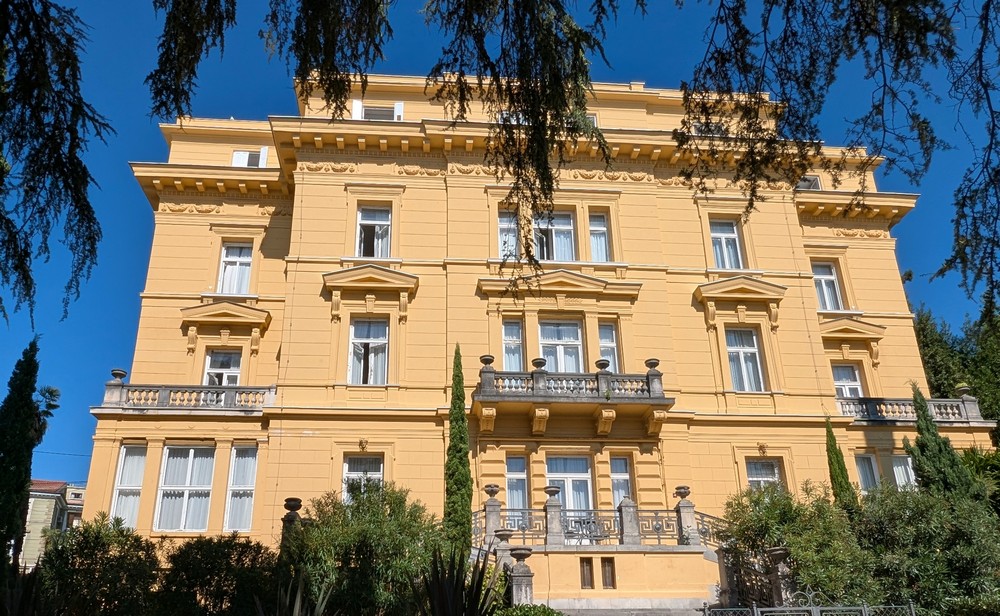
Although Emperor Franz Joseph I, a well-known workaholic, called Abbazia a place of lazy people, and Flora Horn, a Saxon travel journalist from the turn of the century, wrote: “Here, one very quickly learns to do nothing, which in other places often requires much more effort,” it seems that guests did not get bored here. Entertainment was actually more important than the balneological treatments. The guests spent their time rowing, taking steamboat trips, fencing, shooting pistols, and attending concerts, lavish parties and dance balls. Or they simply strolled along the promenade, chatting and, above all, showing off their new dresses, hats, and parasols.
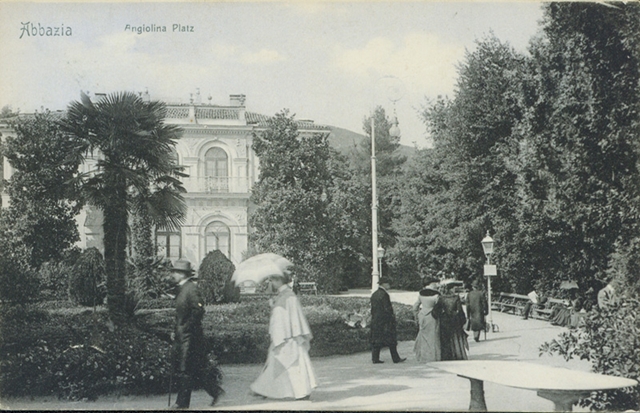
However, the main attraction in Abbazia was the exceptional freedom. Spas have always been places for casual flirting as well as for forming more serious relationships. This is also evidenced by the magazine Hygiea from that time, which wrote that the scent of laurel, cypress, and ever-blooming camellias opens the hearts of even the most stubborn young men and, at the same time, brings joy to ladies with a chronic fear of men. Of course, back then, it never occurred to anyone to spread a towel on a rock and bare their body…
A Seaside Stay in the Past
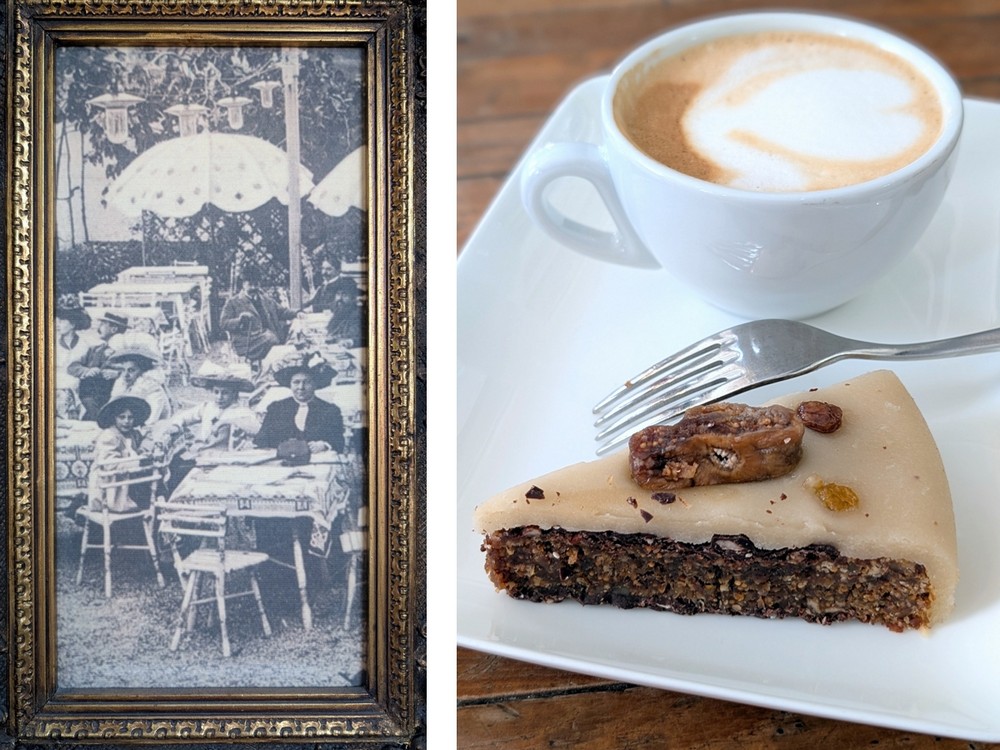
In the old photographs and postcards at the aforementioned museum, you can see what life was like in this seaside resort in the past. No sunglasses, no bare legs or shoulders! Ladies wore corsets and long dresses, gentlemen wore suits and hats. Swimming in the sea was long considered inappropriate and dangerous. At the height of its popularity, up to 80 doctors worked in Abbazia (including even one veterinarian who ran a special sanatorium for dogs). These doctors also began prescribing seawater baths – taken while standing – to guests so they could inhale the beneficial aerosols. Since people at that time did not know how to swim, they could hold onto the ropes that had been laid out or even have themselves tied to them.
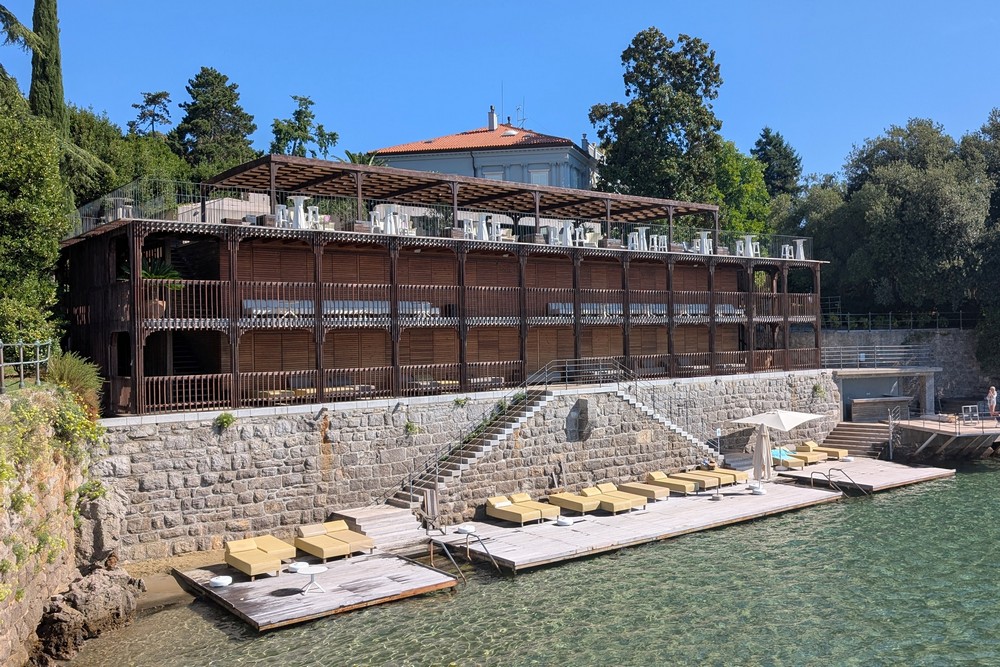
On the small beach below the Kvarner Hotel, separate entrances to the water for men and women have been preserved. The railing at the women’s entrance used to be covered with a canvas so that the ladies’ ankles would not be visible. They entered the water in long black dresses and shoes, with a hat on their heads, so that the sun would not burn their delicate skin.
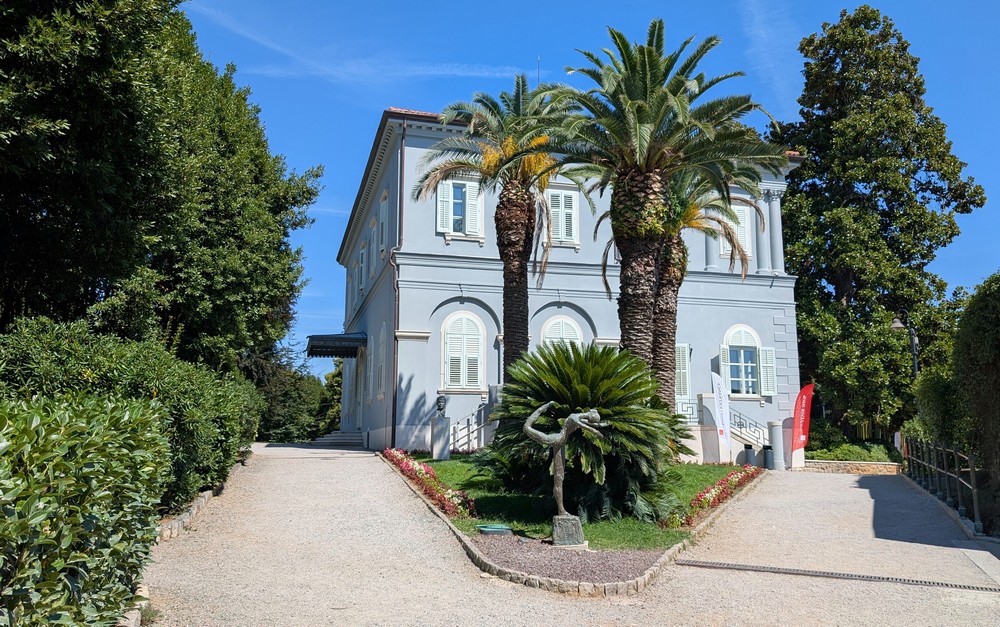
However, in the summer of 1903, the American dance goddess Isadora Duncan arrived in Abbazia and decided to enter the water wearing a light blue tunic made of the finest crepe de chine, with a deep neckline and a short skirt that fell just to her knees. The spa guests were horrified, but “Luzivuzi” Ludwig Victor, the youngest brother of Emperor Franz Joseph, secretly watched her in awe through a theater telescope, even though he was gay. A statue under the palm trees commemorates the famous dancer; the swaying palm leaves are said to have inspired her inimitable dance moves. You’ll find it near Villa Amalia.
Today, you can sunbathe on Slatina Beach, the largest in Opatija, with its concrete surface and almost no natural shade. It’s hard to believe that just 150 years ago, there was nothing more than a damp, smelly laundry and stables for guests of the Kvarner Hotel.
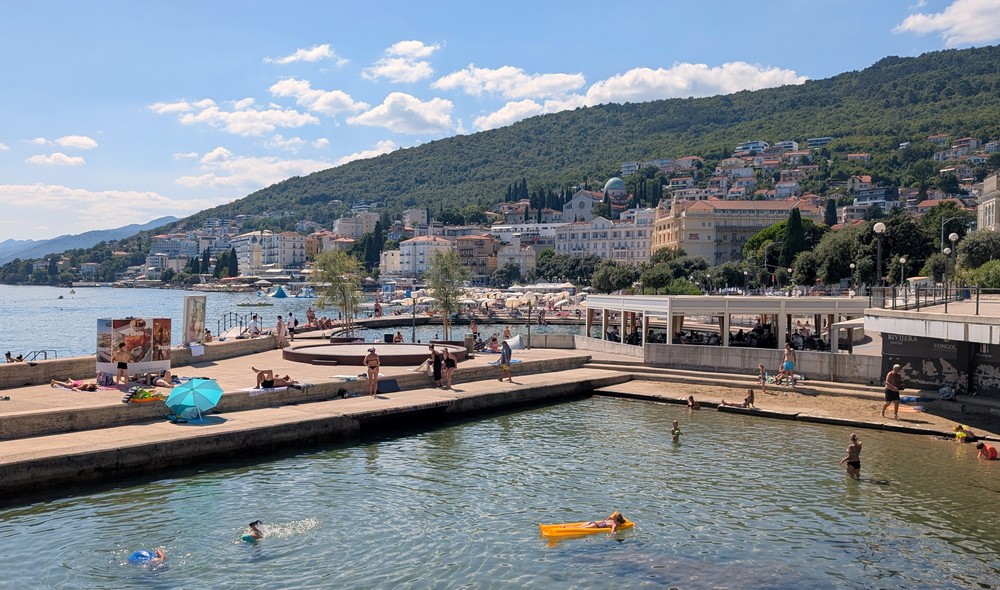
The Girl with the Seagull
Do you remember the statue of the Madonna in the museum? It originally stood on the promenade as a memorial to the tragic accident that occurred on Good Friday in 1891. The sea seemed calm at the time, but despite warnings from local sailors, young Count Arthur Kesselstatt and Countess Anna Fries set out on a boat trip that afternoon. When they were about a kilometer from shore, a sudden strong wind arose, and the boat capsized. The count tried to save the lady, but a wave swept him away, and he never resurfaced. The countess was resuscitated, but could not be saved. Only her fifteen-year-old son survived, having clung to his motionless mother the entire time. Count Arthur’s body was never found, even though divers equipped with the most advanced gear of the time searched for him. Only his hat floated on the surface, still dry inside…
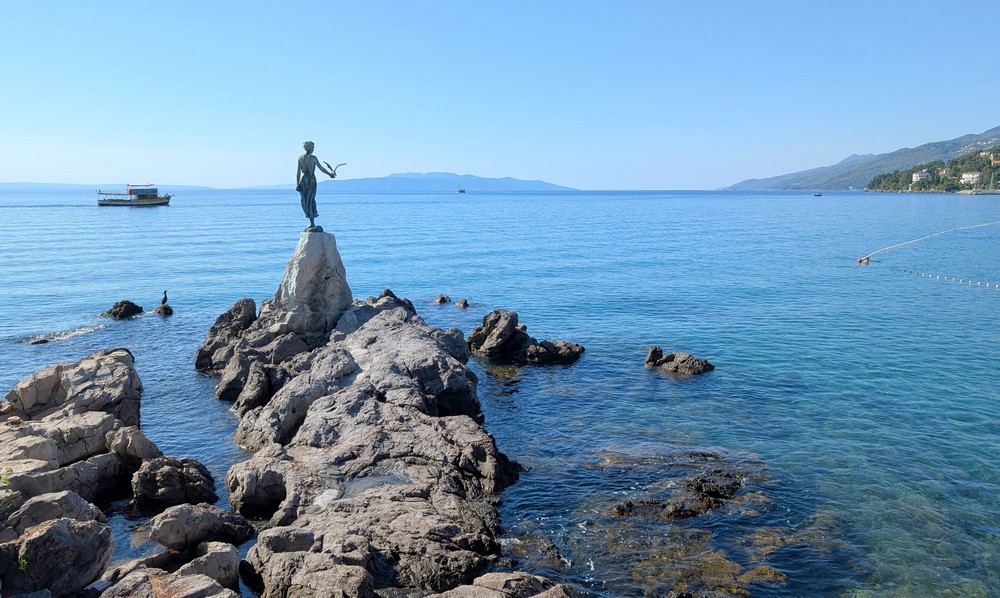
The statue of the Madonna was meant to watch over his soul. When a storm swept the statue into the sea during the previous regime, the communists replaced it with a secular motif of a girl with a seagull. The statue by Croatian sculptor Zvonko Car is one of the landmarks of the Lungomare promenade. The girl holds a seagull in her right hand and gazes melancholically at the distant horizon.
What to Taste?
Many visitors, not just Viennese, used to enjoy stopping by Café Glacier for the original Sacher Torte, which was delivered fresh by train from Vienna every day. Today, you can enjoy a different sweet specialty in Opatija.
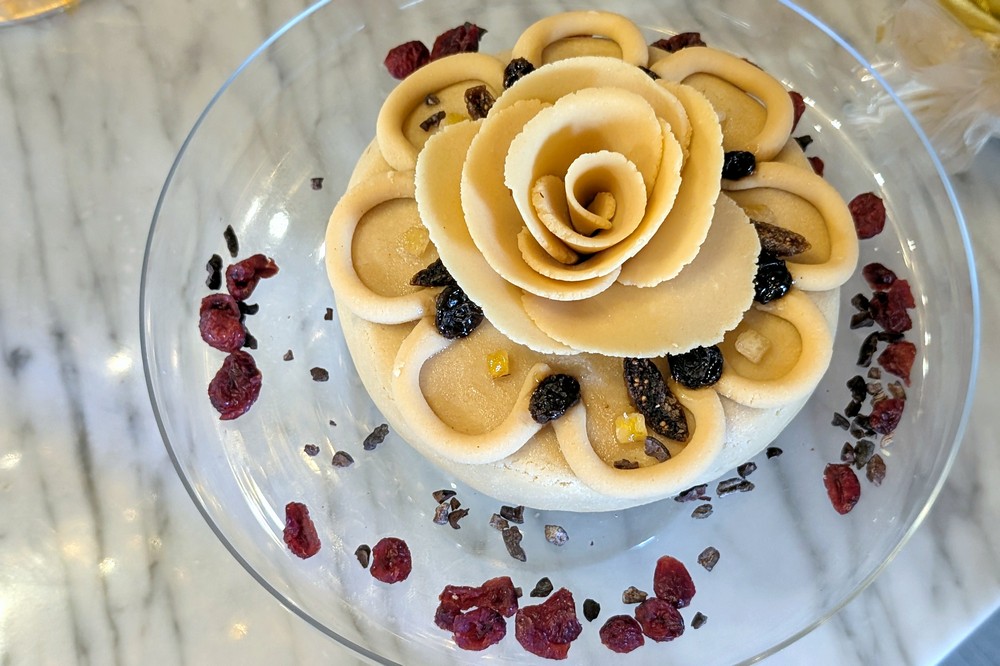
The Camellia Cake is made from Mediterranean fruits – almonds, figs, oranges, raisins, carob and dark chocolate – and every guest of this historic seaside resort should definitely try it!
I couldn’t resist either. I was a bit taken aback by the small portion for a rather high price, but the cake was too sweet for me, so I wouldn’t have been able to eat a bigger piece anyway. 🙂
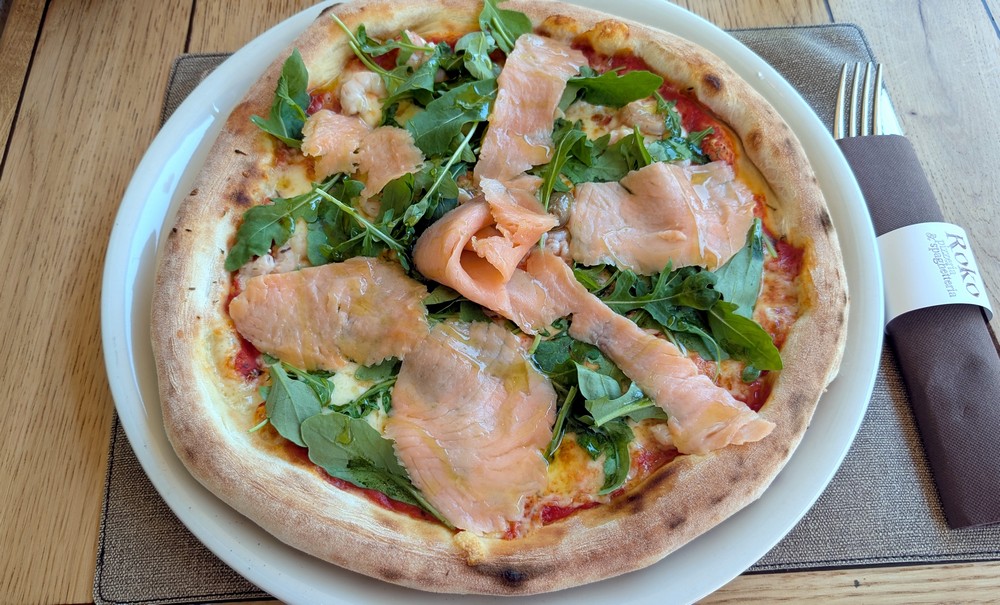
I also tried another specialty in Opatija. Do you remember the name Leo Sternbach? He was an American chemist and pharmacist, the discoverer of the drug Valium. How is Sternbach connected to Opatija? He was born in 1908 in Abbazia. His birthhouse still exists; on the ground floor, there’s a pizzeria that even offers “Valium pizza“. Don’t worry – the pizza doesn’t contain any sedatives, just beautifully large portions of salmon. The name simply pays homage to the scientist who was born in that house.
I visited the local market as well. By the way, Schüler was well aware of the importance of fresh fruits and vegetables; in fact, he even acquired a farm that supplied vegetables, fruits, and wine to his company’s hotels.

What interested me most was mangold (blitva) – green leaves that are very popular in Croatian cuisine – and various types of figs. The best ones were the green figs with pink flesh.

These days, visitors no longer travel to Opatija by train, and the tram that used to transport guests from the train station to the hotels no longer runs here. Still, as I walked through the town, I sometimes felt that not much had changed here. Fortunately, even during the communist era, there were no radical changes here. Come see for yourself!
How to get there: I traveled from Vienna to Opatija on a direct Flixbus; the trip was comfortable and took 7.5 hours.
Text: © Copyright Ingrid, Travelpotpourri
Fotos: © Copyright Ingrid, Travelpotpourri


 Marchegg – A Place where Storks Return Every Year