
 TRAVEL


 RECIPES WITH A STORY












 AUSTRIA-VIENNA









 SLOVAKIA-BRATISLAVA




 EVENTS








 INTERVIEWS

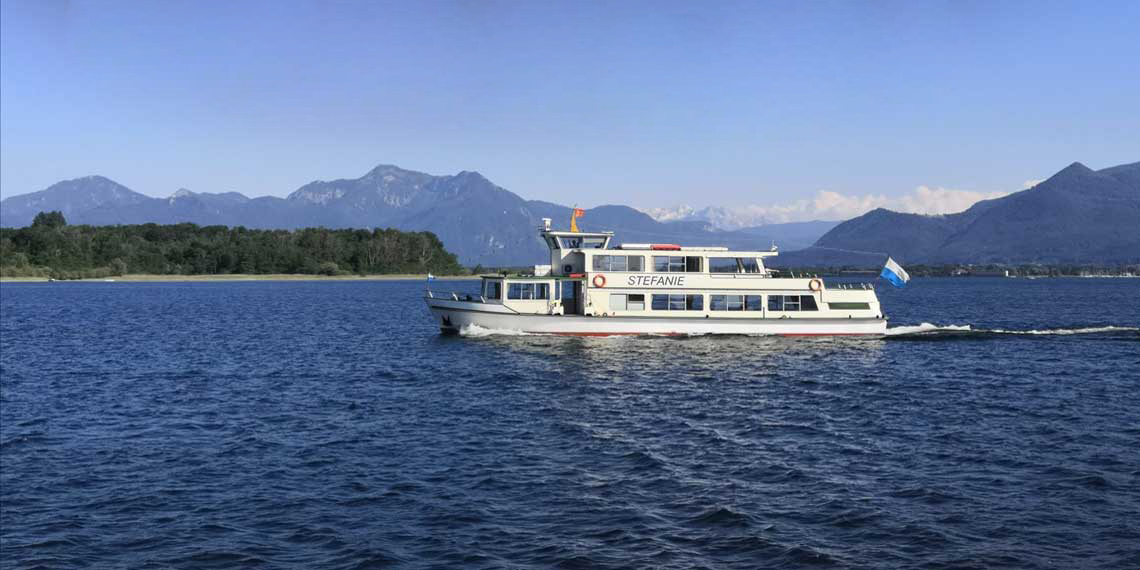
Bavaria is home to hundreds of lakes. They were formed by glaciers and have retained their purity and rare biodiversity to this day. Their shores have witnessed royal dreams and tragedies, monastic silence, trade routes and summer festivals where nature and history touch each other almost without words. We present the nine most exceptional ones – Chiemsee, Ammersee, Starnberger See, Tegernsee, Schliersee, Staffelsee, Forggensee, Kochelsee and Walchensee.

1. Chiemsee – a Sea Disguised as a Lake
Locals refer to it as nothing other than the “Bavarian Sea.” When you stand on the shore in windy weather and see waves several meters high rising on the surface, it’s easy to believe them. With an area of almost 80 km², it is the third largest lake in Germany after Lake Constance in the south and Lake Müritz in the north. Its depth reaches over 73 meters, but the lake is gradually silting up, which could lead to its demise in thousands of years.
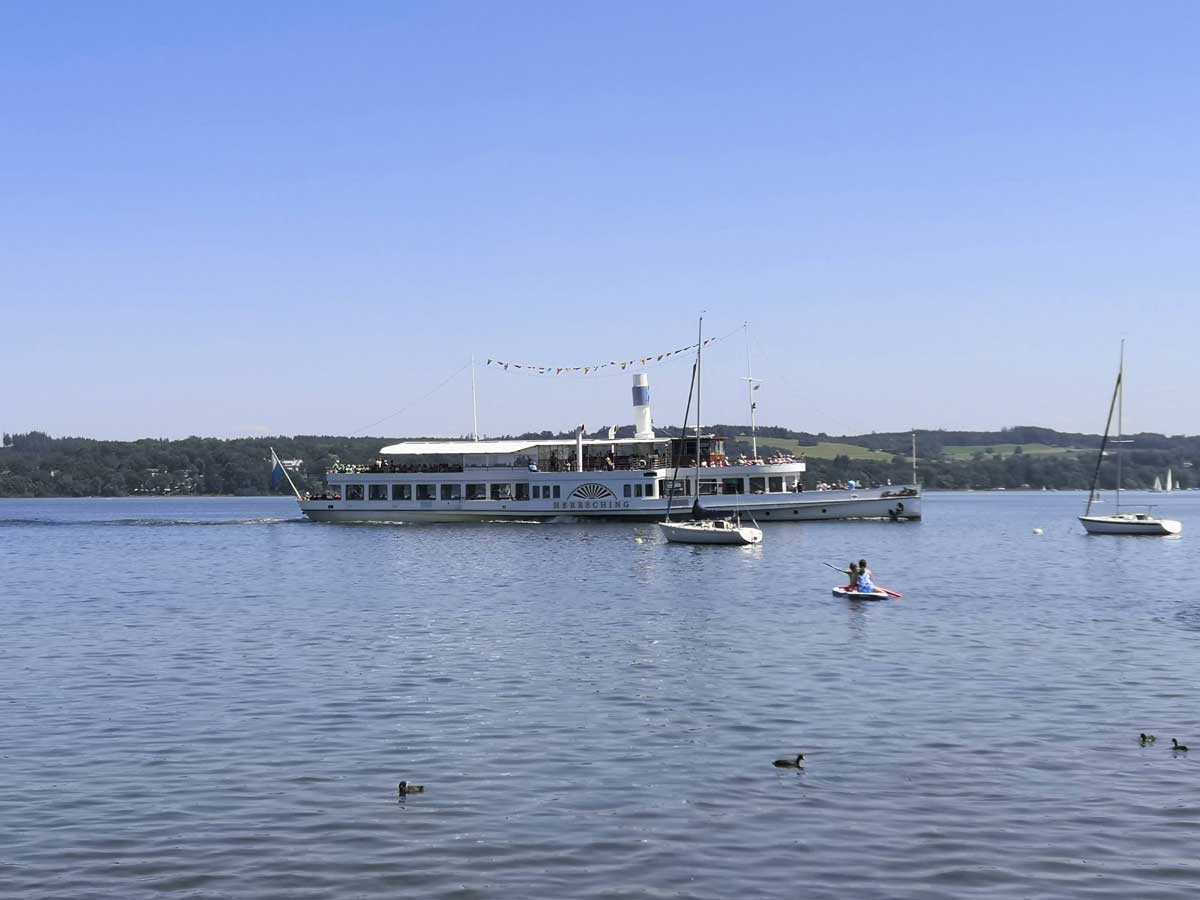
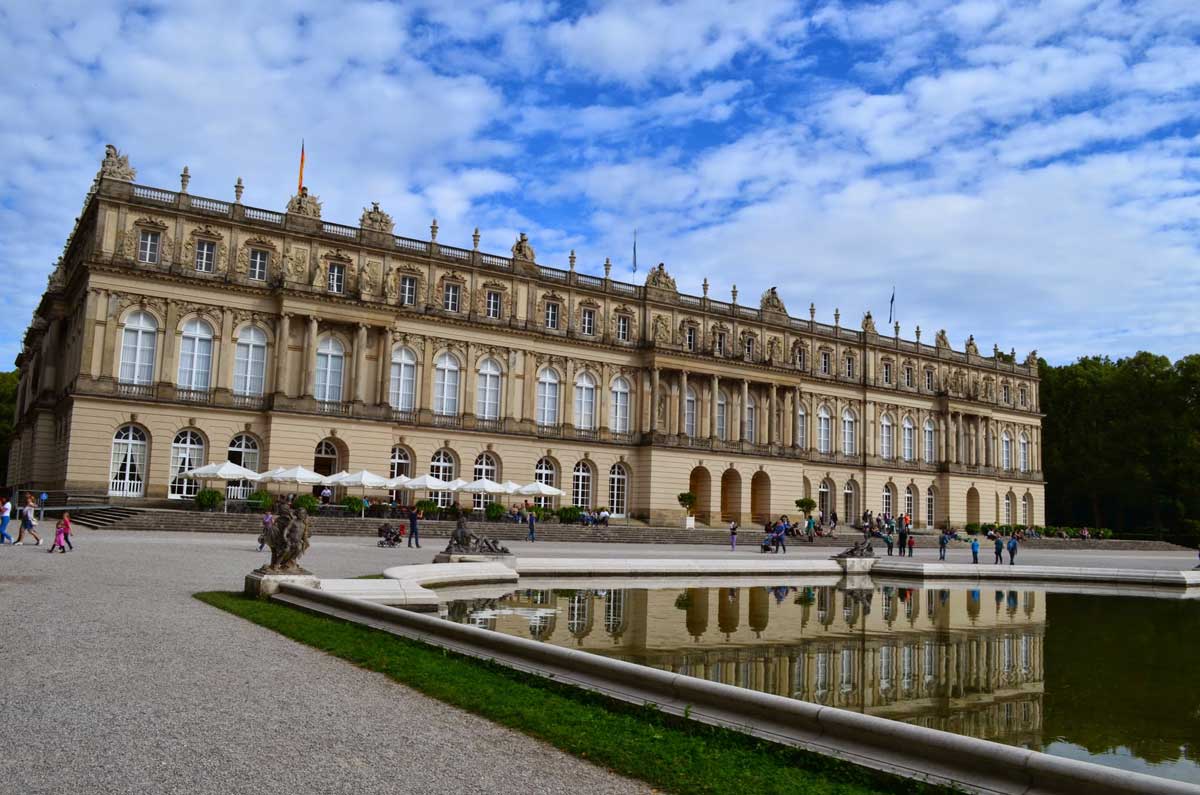 The biggest attraction is the palace on the island Herrenchiemsee. The fairy-tale King Ludwig II wanted to have his own Versailles, so he built a copy of it. It was supposed to be the seat of government and cost more than the Linderhof Castle, and the much more famous Neuschwanstein Castle combined. Every evening, servants had to light hundreds of candles just so that the Bavarian monarch could stroll through a mirror hall 25 meters longer than the one at the court of Louis XIV.
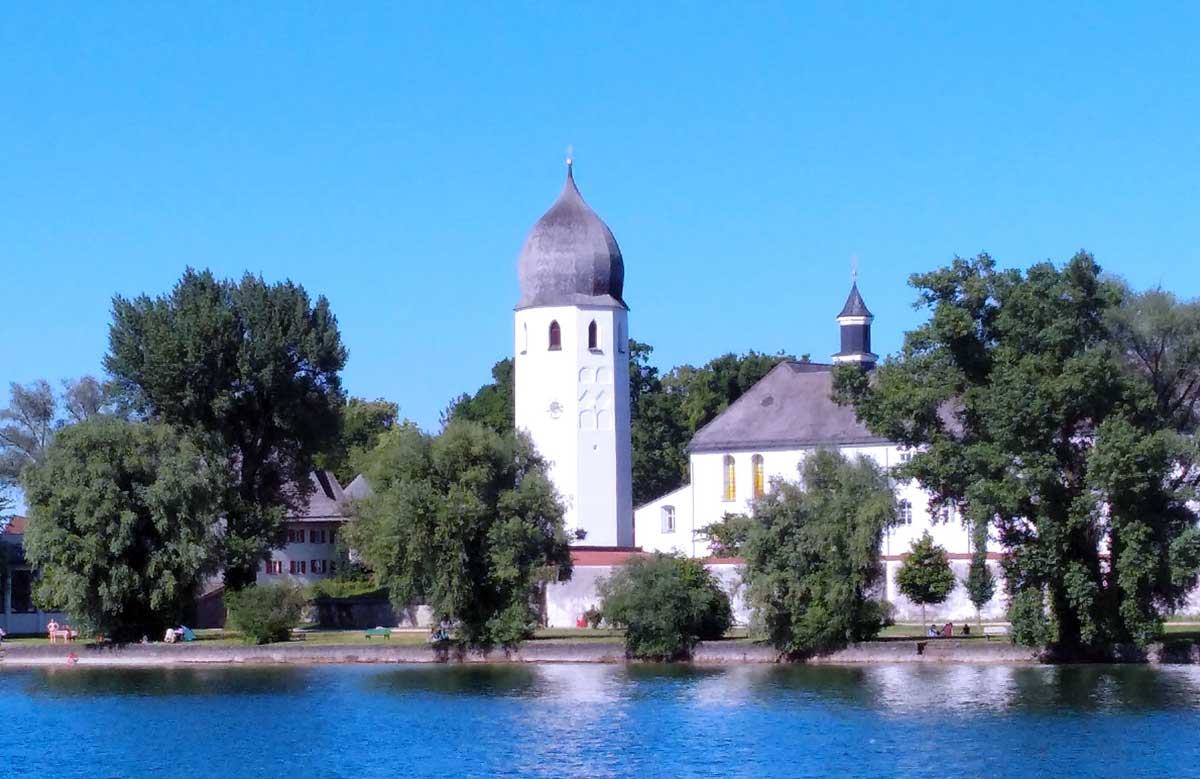
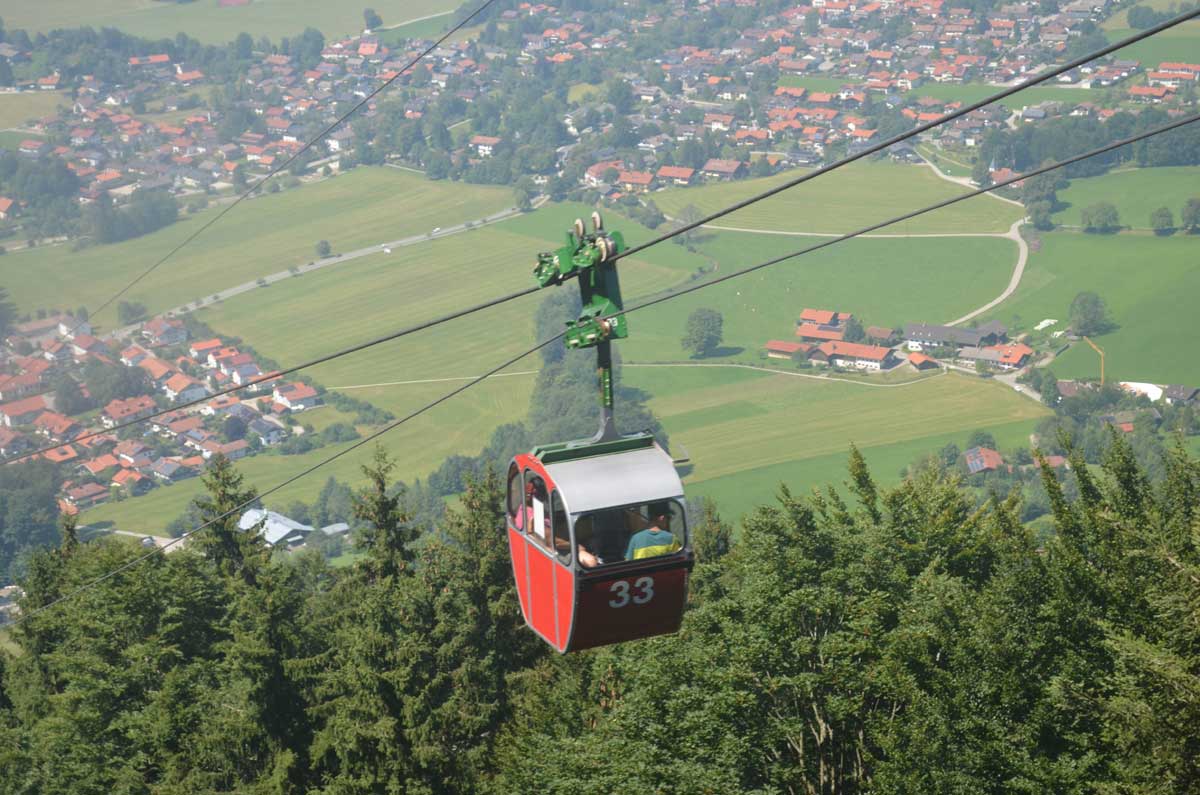
On the smaller island Fraueninsel, a Benedictine community has been living for more than a thousand years. In the evening, when the last boat leaves and the bells ring across the water, the lake takes on a completely different, quieter face. If the attractions directly on Chiemsee are not enough for you, you can try the four-seater Kampenwandbahn cable car in nearby Aschau, which offers a magnificent view of the surrounding area from a height of 1,461 meters above sea level.
2. Starnberger See – a Lake Full of Relaxation and Sadness
As soon as you approach the lake, you will feel a special elegance. Villas hidden among trees, private piers and wide views of the water.
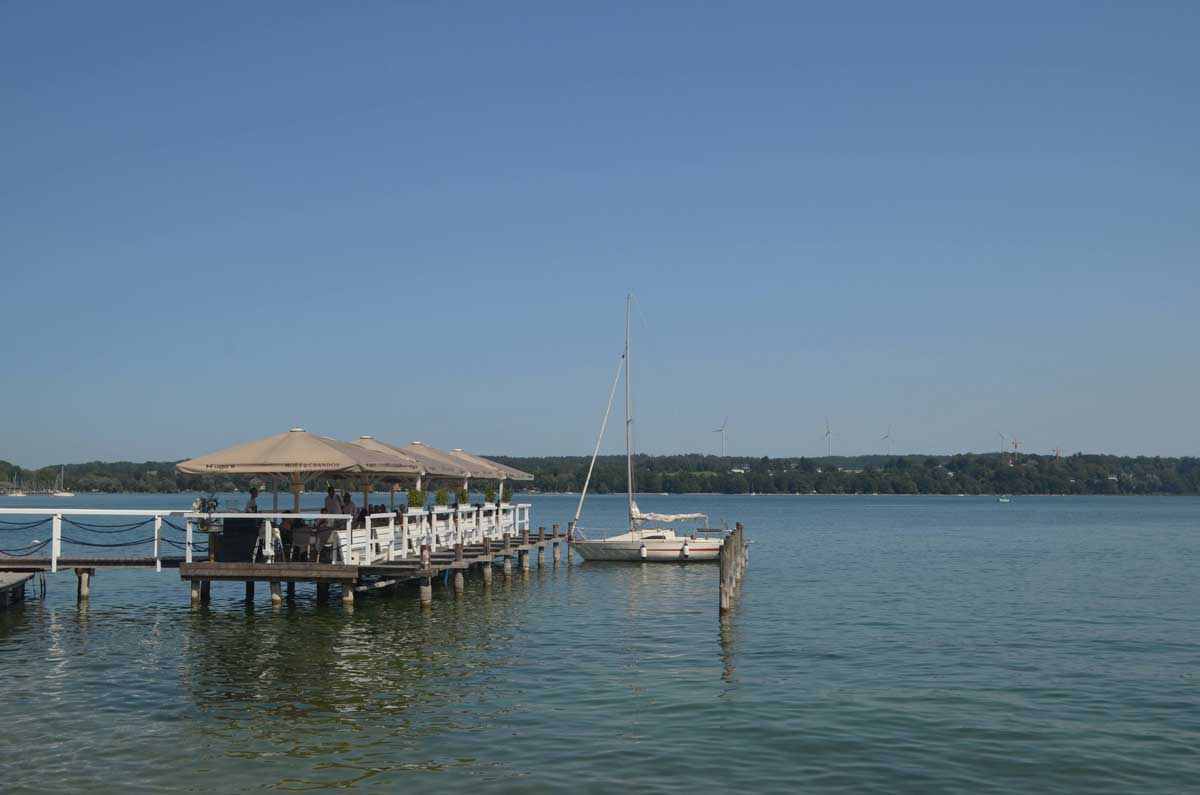
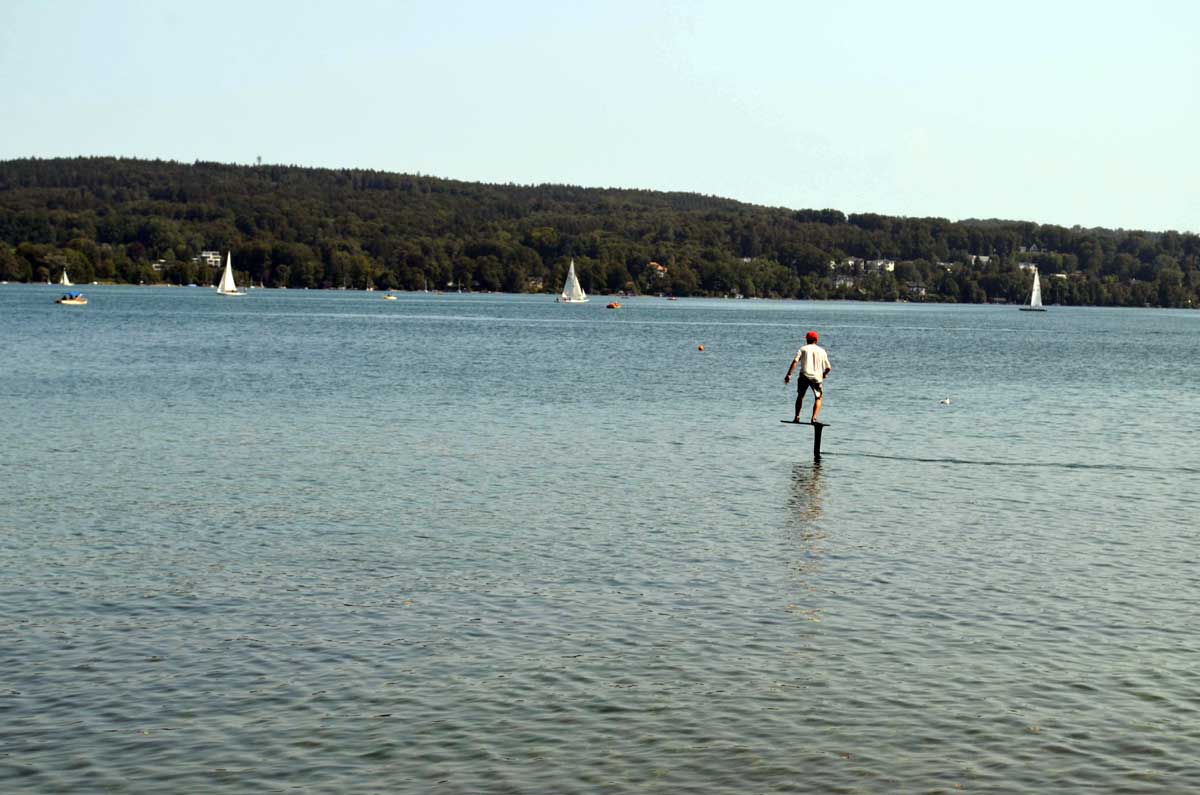
The lake is located near Munich. This has earned it the nickname “Munich’s bathtub.” It is a place where you go quickly and spontaneously – just for a few hours by the water, for a walk or a boat trip.
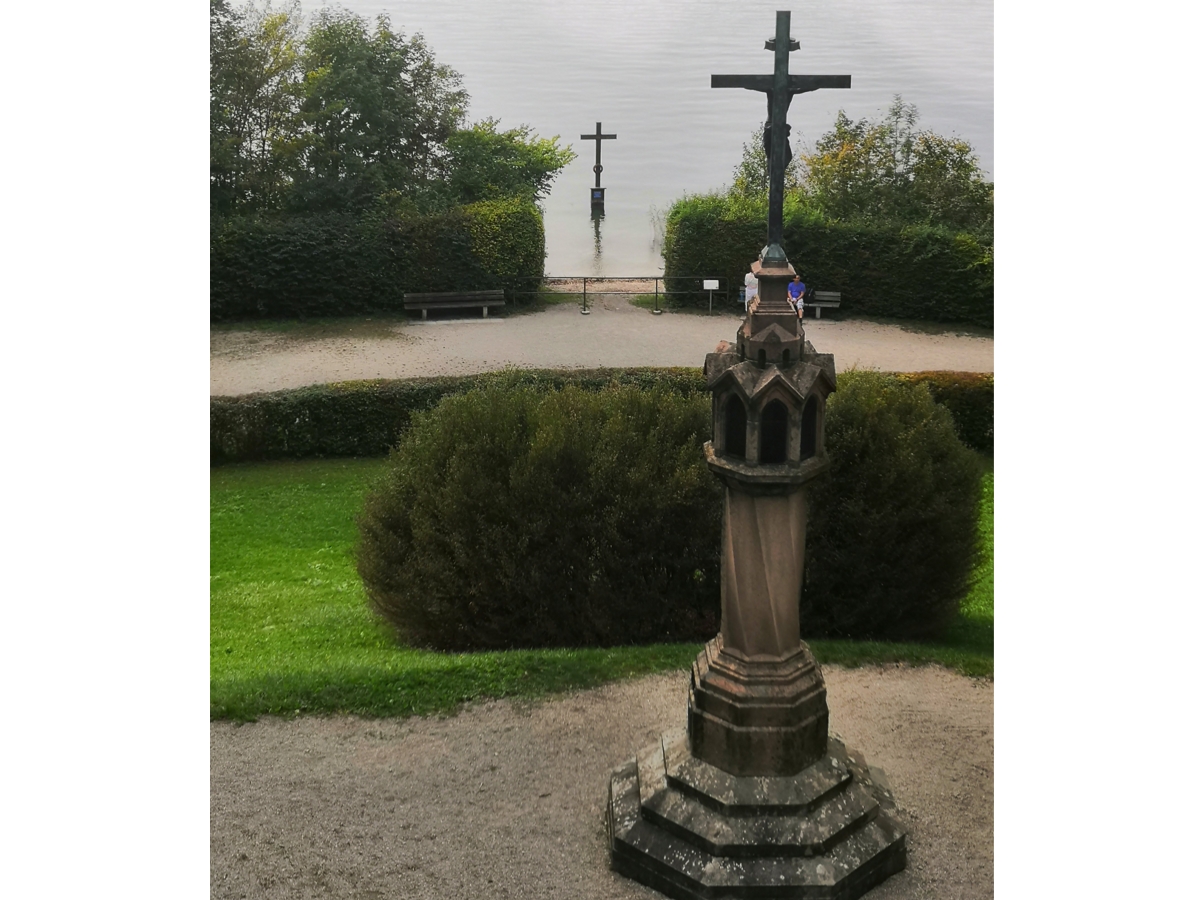
For the inhabitants of Bavaria, it is associated with a sad event – in 1886, the “fairytale” King Ludwig II died here tragically. By boat, you can reach places such as Possenhofen, where he spent his childhood. From the deck, you can see the cross at the spot where he drowned and the votive chapel, which was built in gratitude to their ruler ten years after his death.
3. Ammersee – a Lake Dominated by a Famous Monastery
The third-largest lake in Bavaria is only 30 km from Munich, making it a great destination for day trips. During the day, you can sail or swim, while in the evening, life moves to the beer gardens on the shore. At sunset, the surface of the lake often turns into a calm mirror, in which the contours of the Alps melt into soft pastel colors.
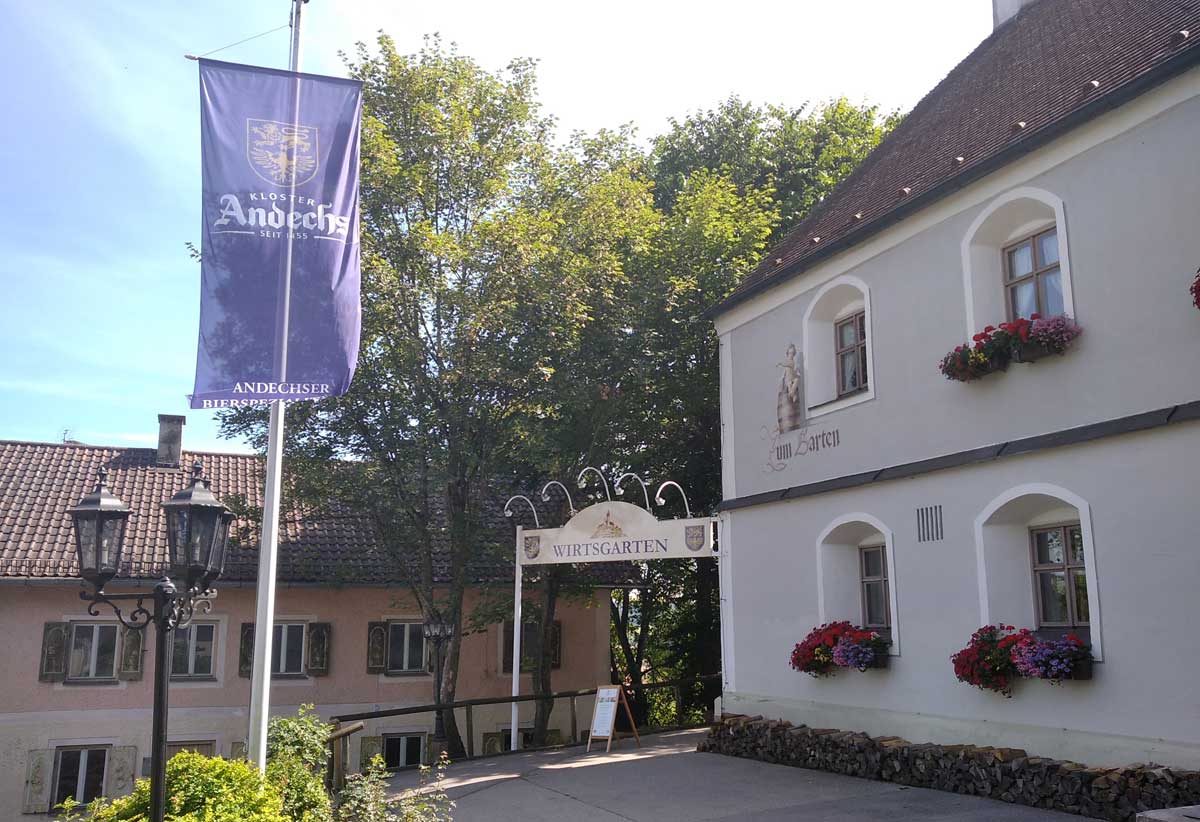
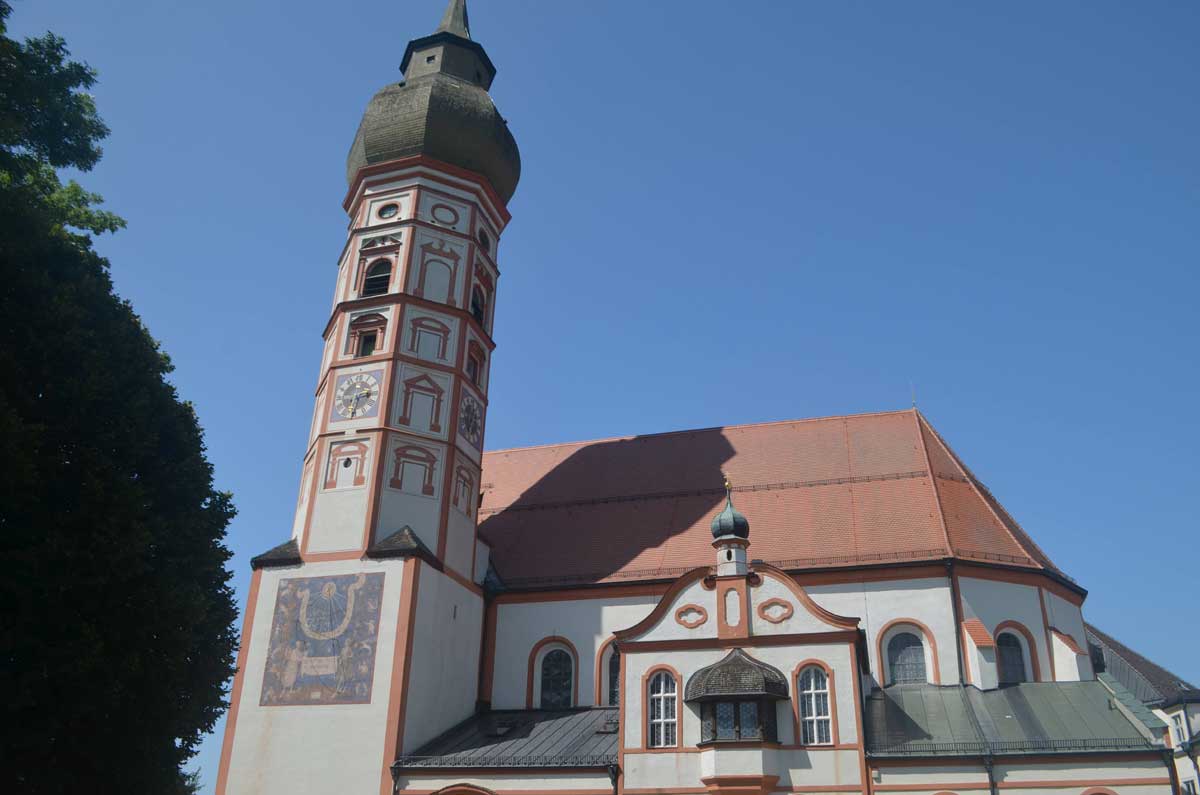
The Andechs monastery is located above the lake. Locals say that beer tastes best here after a hike. Judging by the number of tourists who make the climb, there must be something to it. Those who prefer gastronomy will not leave hungry. The monastery restaurant, with its beautiful view of the surrounding countryside, offers traditional Bavarian dishes. You will never forget the pork knuckle!
Since 1982, the monastery, whose origins date back to the 11th century, has also been home to the tomb of Bavarian composer Carl Orff, famous for his cantata Carmina Burana.
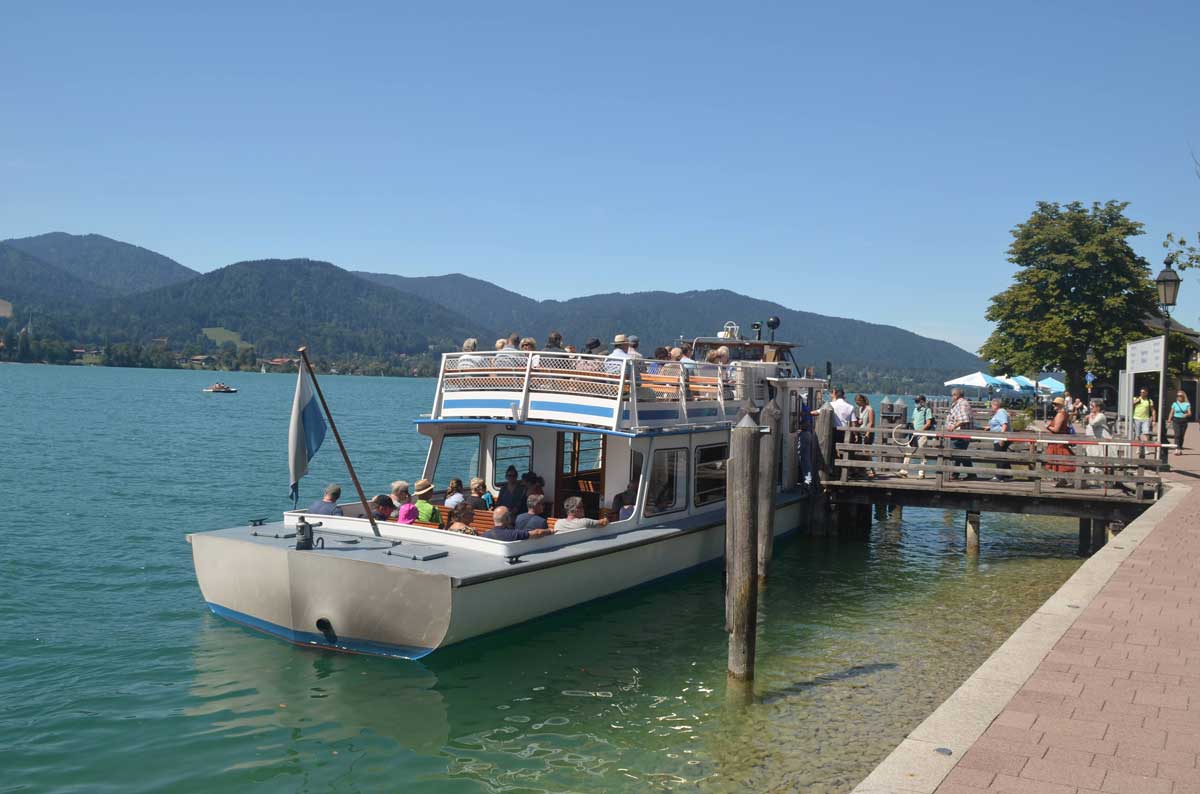
4. Tegernsee – a Perfect Alpine Postcard
In the morning, the air smells of grass, and in the evening, of wood from mountain huts. There are up to 300 km of hiking trails in the area – from easy paths to challenging high-altitude hikes. When you climb Wallberg, the lake below you looks like a blue gem set in a green frame of mountains.
The historic Bräustüberl Tegernsee brewery combines local tradition with the hustle and bustle of visitors. The region is also known for its spa history – as early as the 19th century, guests came here to seek relaxation and clean mountain air.
Tegernsee is a popular resort for celebrities, especially soccer players. With a bit of luck, visitors may bump into Bayern Munich goalkeeper Manuel Neuer or Philipp Lahm, captain of the 2014 championship team.
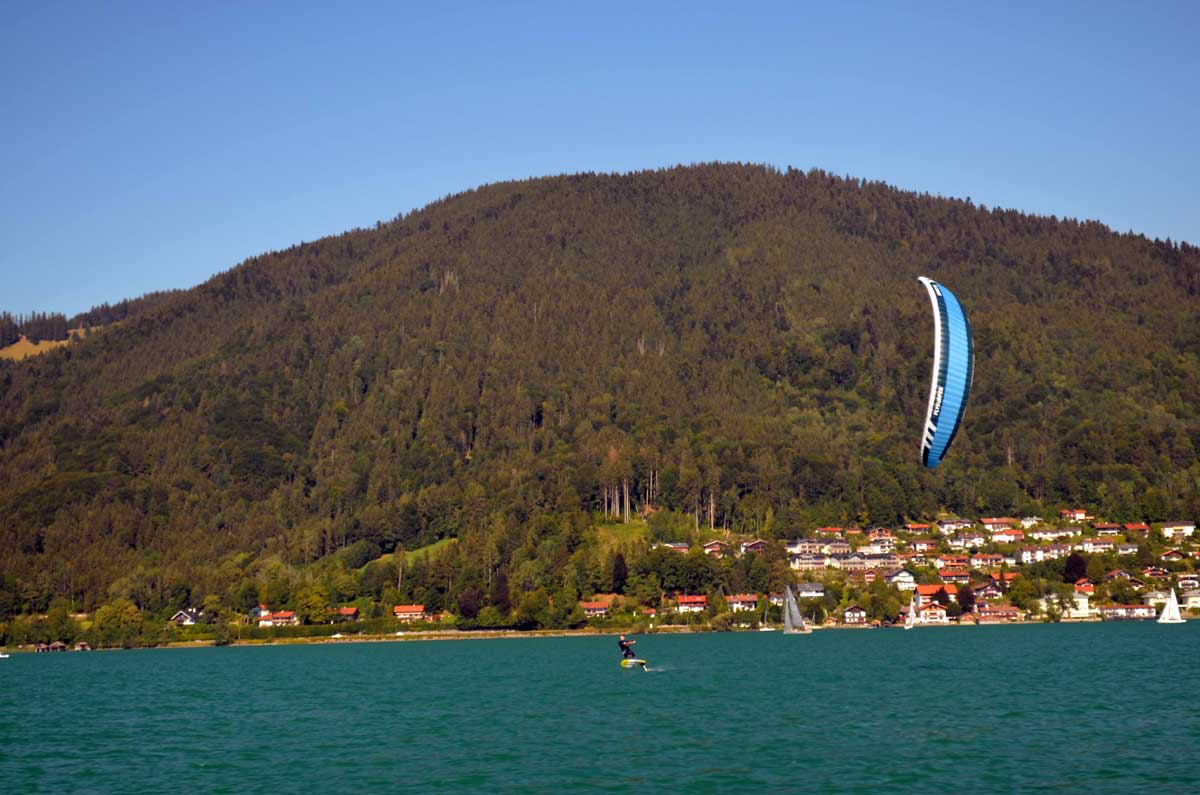
5. Schliersee – the Peaceful Neighbor of Lake Tegernsee
Lake Schliersee is located just a few kilometers from Tegernsee. It is smaller, but just as charming. Wörth Island in the middle of the lake is a popular venue for wedding celebrations. The lake festivals with fireworks are a big attraction as well.
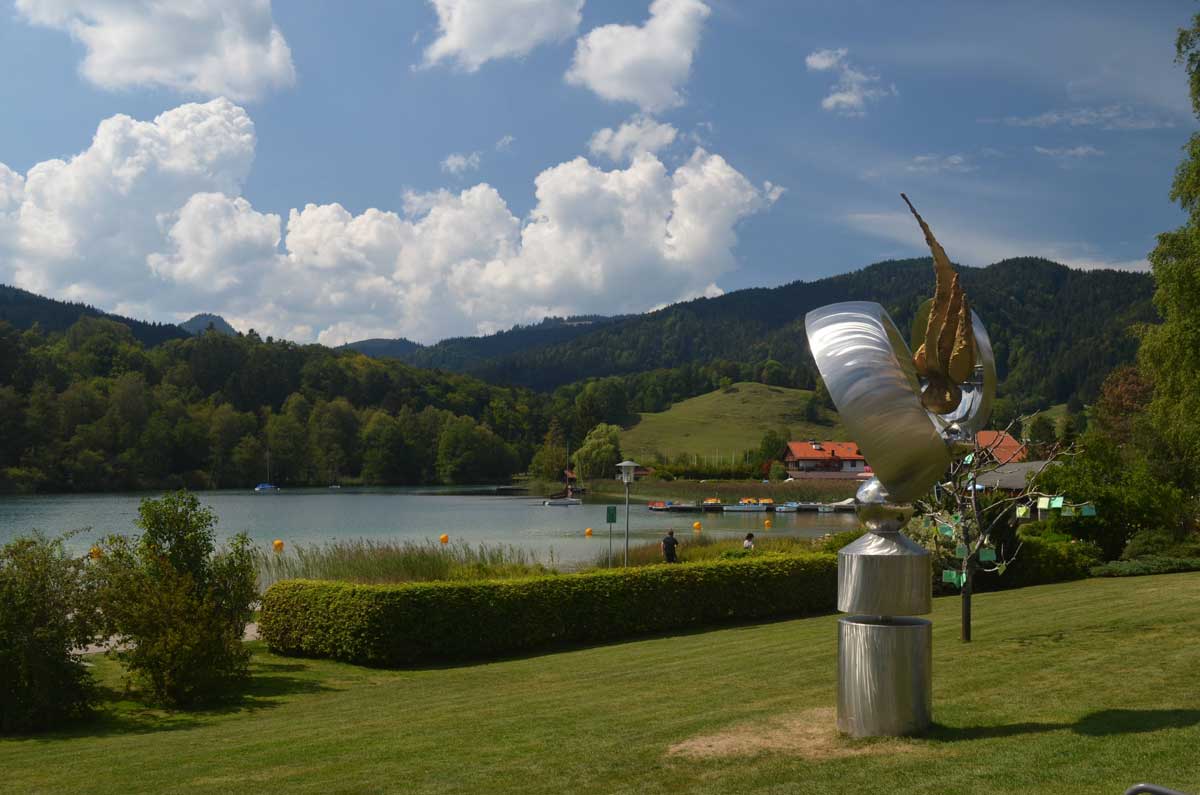
The lakes are also linked by legends, according to which lost objects that ended up in one lake sometimes reappeared in the other. According to one of them, a key lost by the abbot of a Benedictine monastery in Tegernsee was later found in a fish caught in Schliersee.

6. Staffelsee – an Island Gem
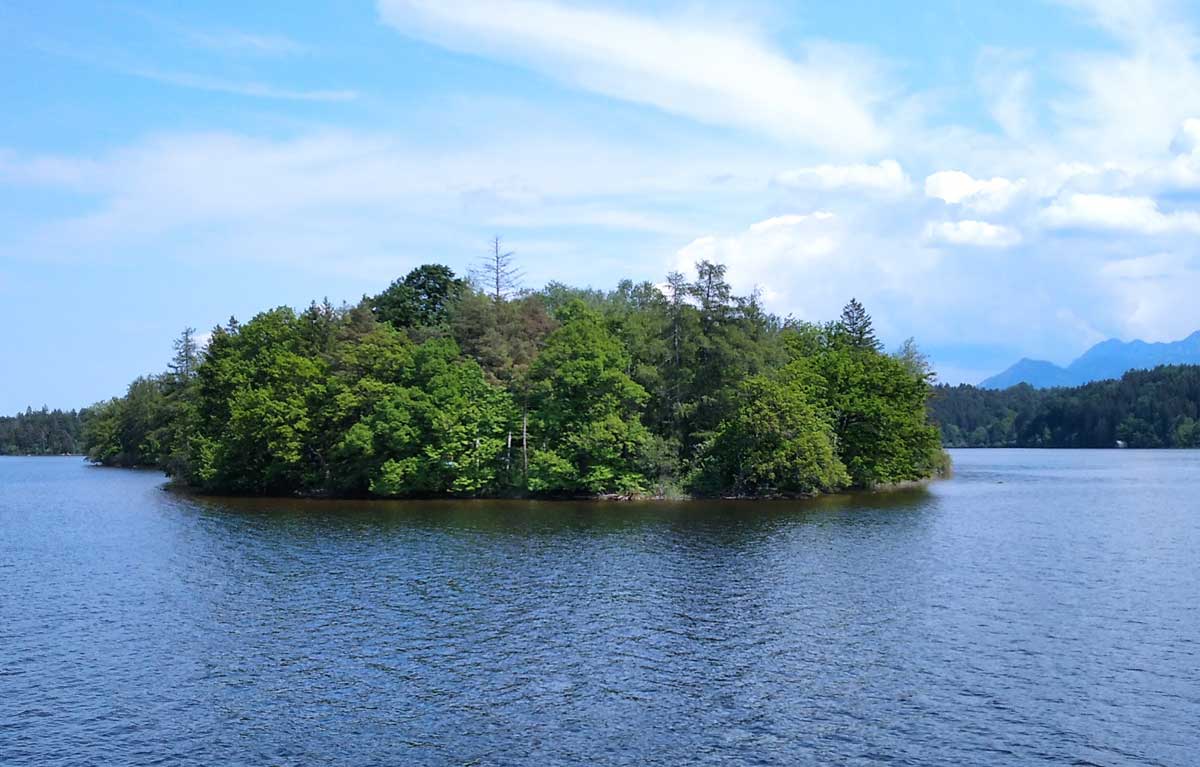
Lake Staffelsee is unique for its seven islands, making it the most island-rich lake below the Alps. It is located near the town of Murnau and is surrounded by marshes and protected natural areas. The largest island is called Wörth and is accessible by boat. When sailing, be careful that the wind doesn’t blow something away. My map, which ended up on the surface in a second, can now be used by divers for orientation…
The lake is popular for its exceptionally warm water, which often reaches 26 °C in summer. The remains of ancient settlements have been found in the surrounding area, reminding us that this peaceful body of water has a rich history.
7. Forggensee – a Dam with a Fairytale Reflection in the Water
Lake Forggensee is the largest dam in Germany and the fifth largest lake in Bavaria. It has been located on the Lech near Füssen since 1954.
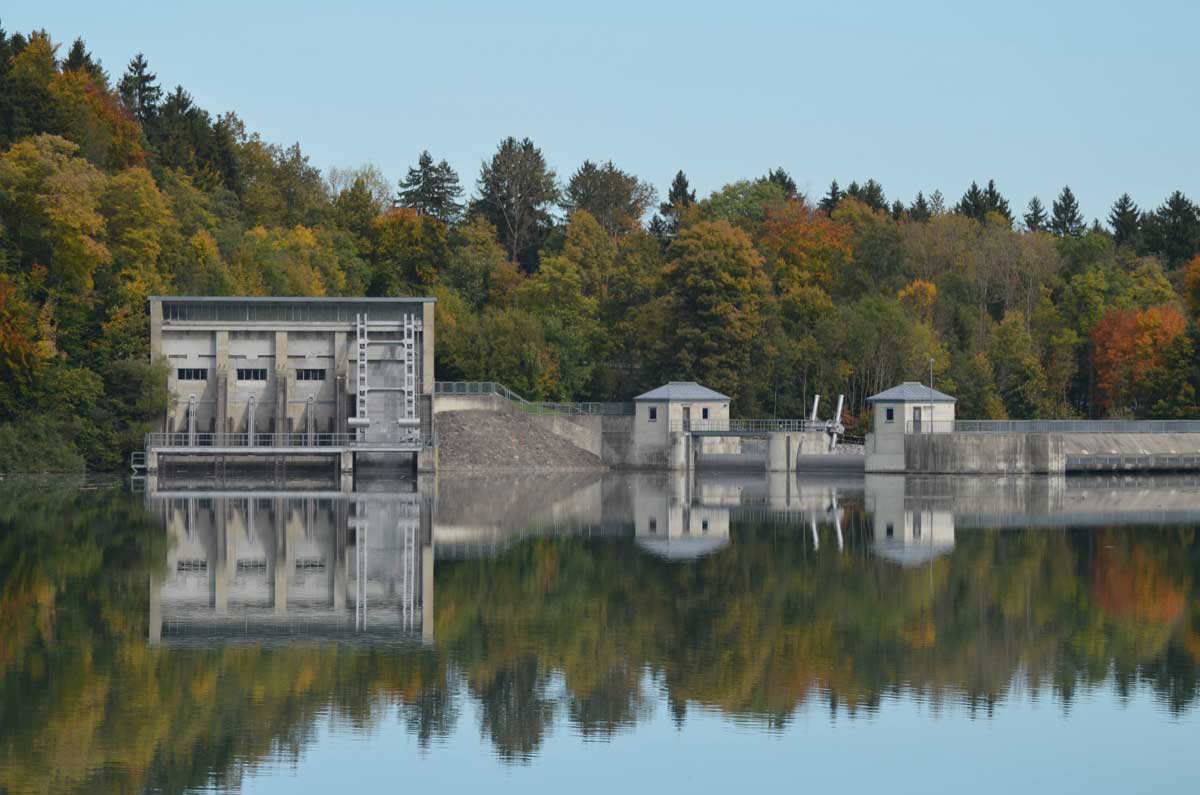
In winter, the dam is partially drained, revealing a “lunar landscape.” The water here is almost ten degrees colder than in the lakes mentioned above, but the scenery and the almost complete proximity to the Alps are worth it.
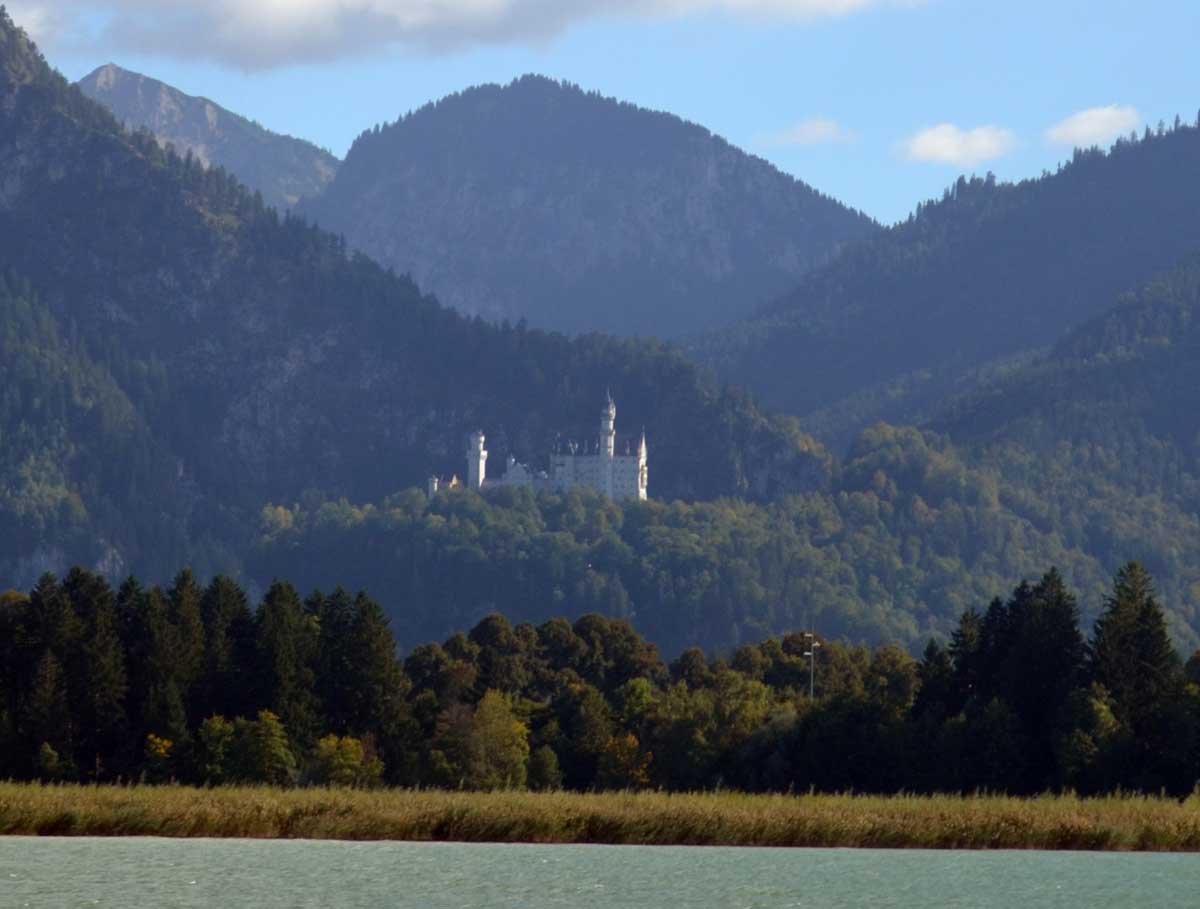
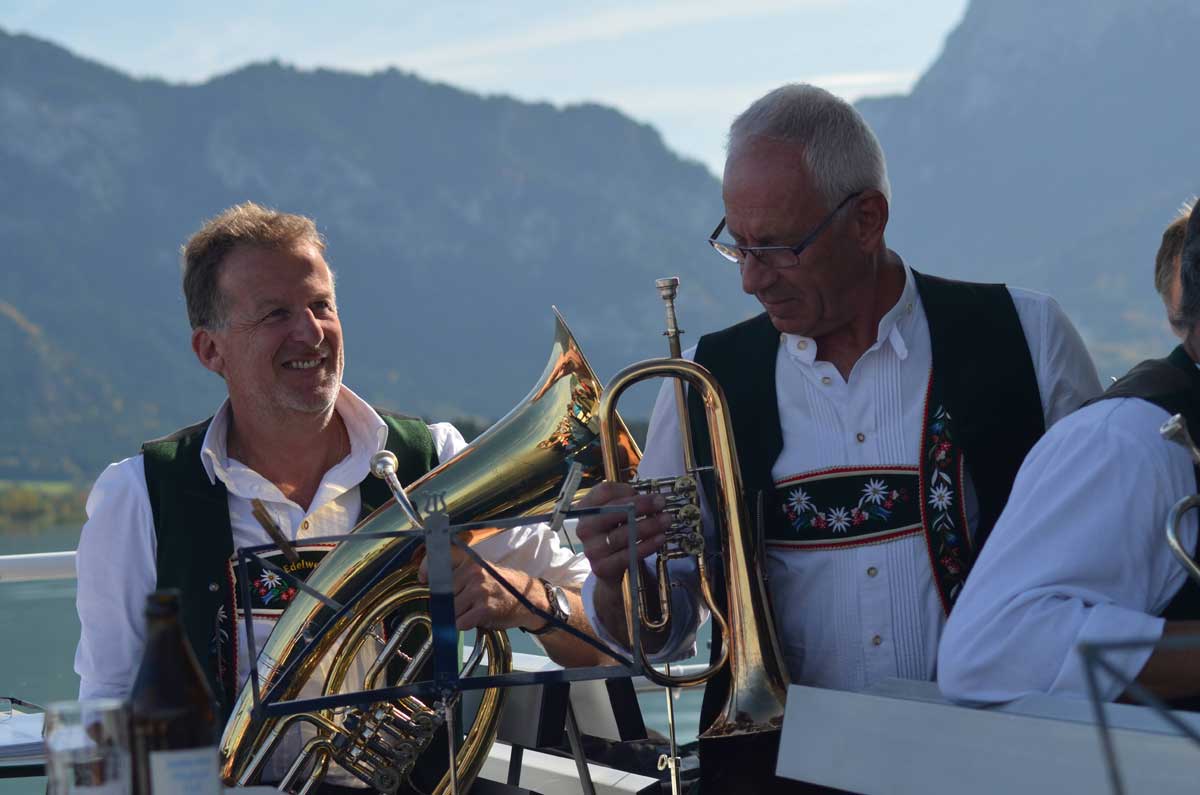
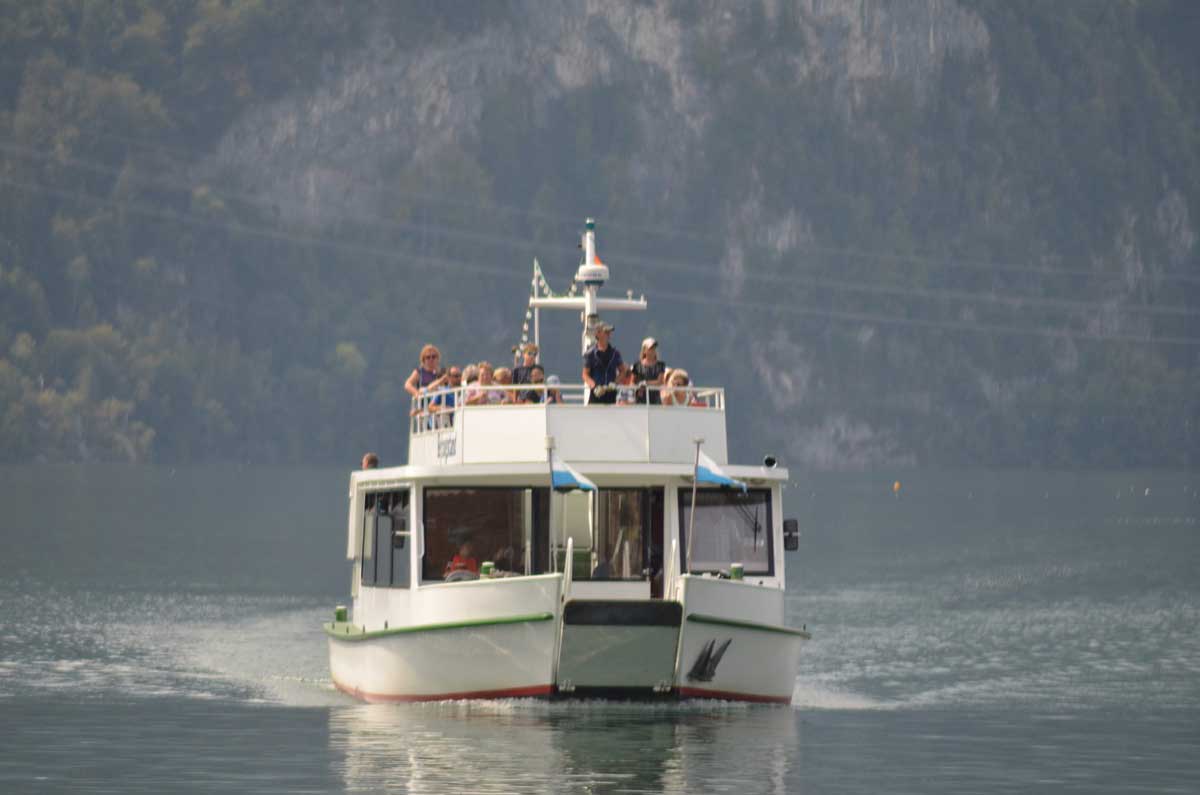
Sightseeing cruises from June to mid-October offer a wonderful experience in the form of a view of the fairytale Neuschwanstein Castle. In the past, the last two-hour cruises of the season were enlivened by the presence of a typical Bavarian brass band.
8. and 9. Kochelsee and Walchensee Connected by a Shared Viewpoint
Lake Kochelsee is loved by surfers and wind lovers. When the surface ripples, the lake appears much larger than it actually is. The painter Franz Marc had lived on its shore. The colors of the local landscape are reflected in his paintings, and today his presence is commemorated by a museum dedicated to his work.
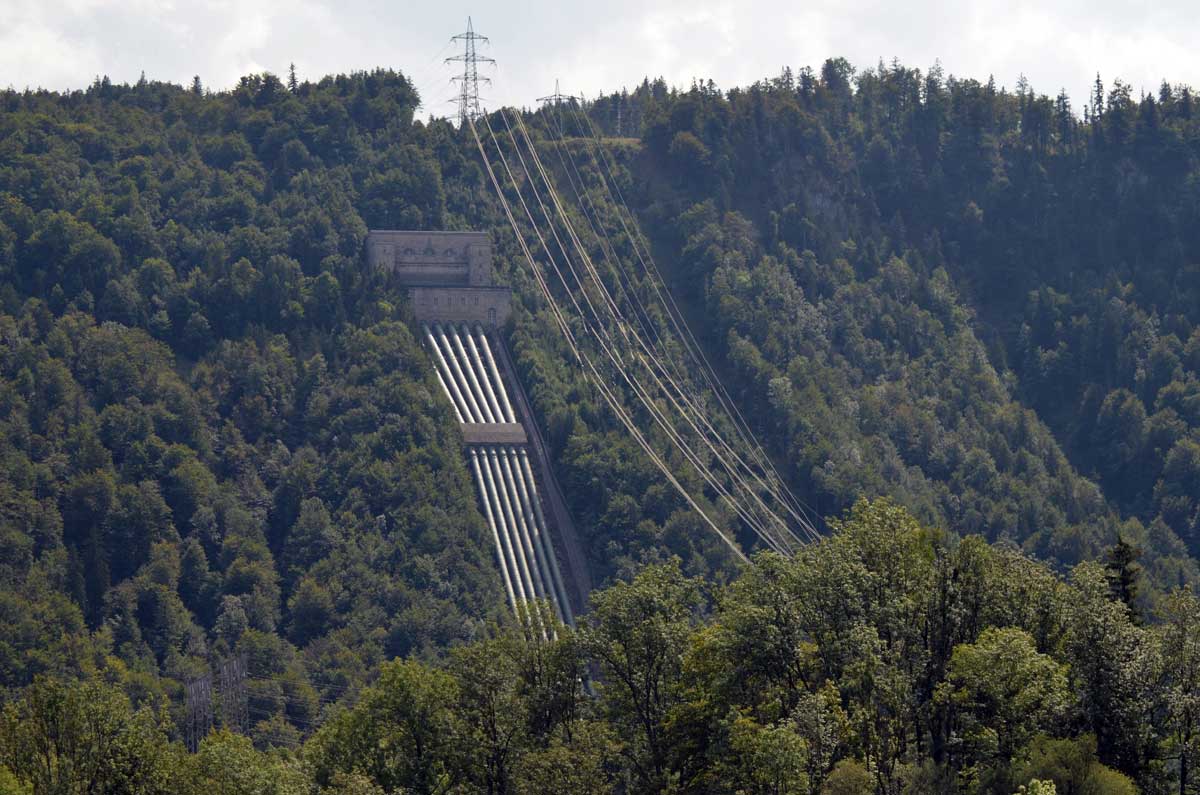
However, when sailing on a boat, your gaze will occasionally fall on a technical detail of the landscape – the pipes of a hydroelectric power plant cutting into the slope above the shore. The steel pipes, which bring water from the higher-lying Lake Walchensee, remind us that the local nature is not just a romantic backdrop, but also a source of energy pulsating beneath the surface.
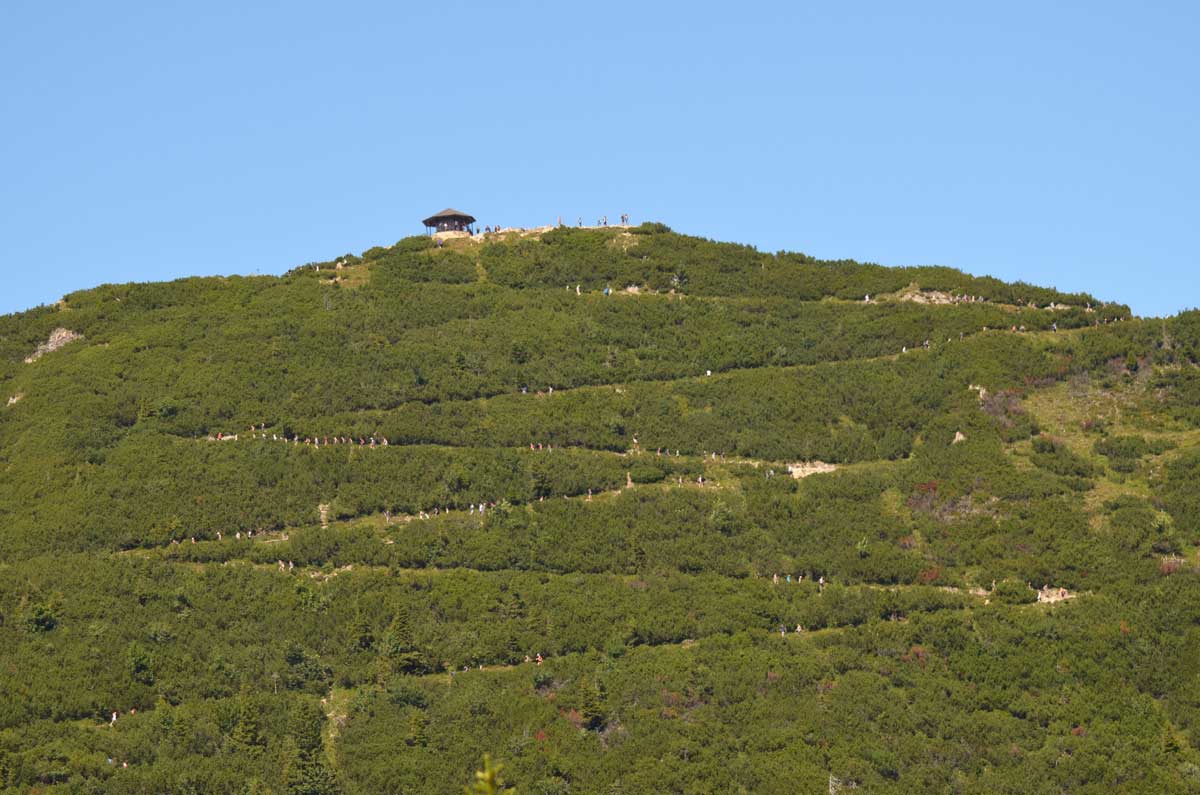
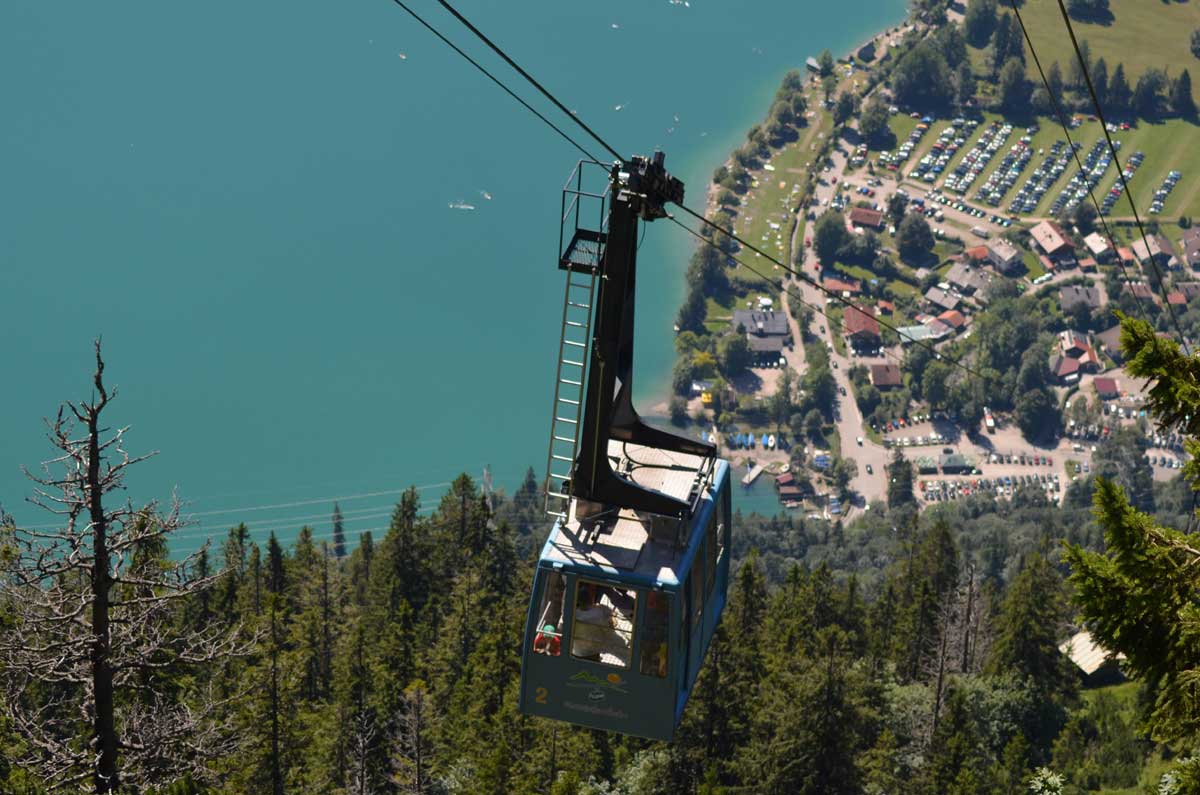
From Walchensee, you can take a cable car to the top of Herzogstand. Short but challenging switchbacks lead to its peak in the summer heat. People often stand there almost side by side in a small wooden lookout, as if waiting for a revelation. And it comes in the form of a double view – on one side the darker Walchensee, on the other the lighter Kochelsee. Two lakes, two moods, with a ridge between them like a dividing line.
If you want to experience Bavaria differently than from a city, head to the lakes. Each has its own mood, its own scent of the wind, as well as little secrets that you won’t find in statistical measurements.
Text: © Copyright Robert, Travelpotpourri
Fotos: © Copyright Robert, Travelpotpourri