
 TRAVEL



 RECIPES WITH A STORY












 AUSTRIA-VIENNA






 SLOVAKIA-BRATISLAVA



 EVENTS







 INTERVIEWS

If you are planning to visit Utrecht and have enough time to explore the surrounding area, then I have 3 tips for you:
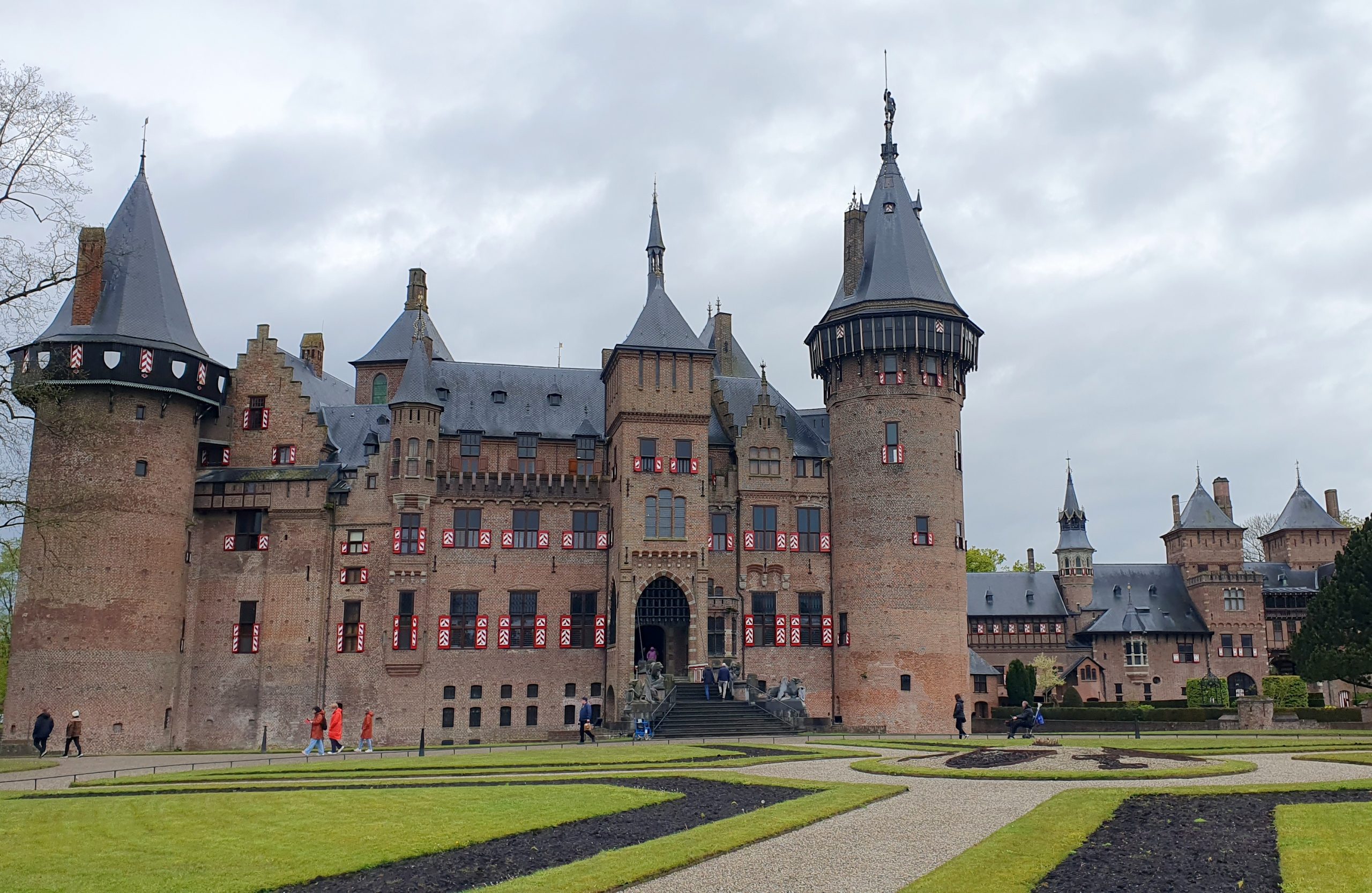
1. Kasteel de Haar
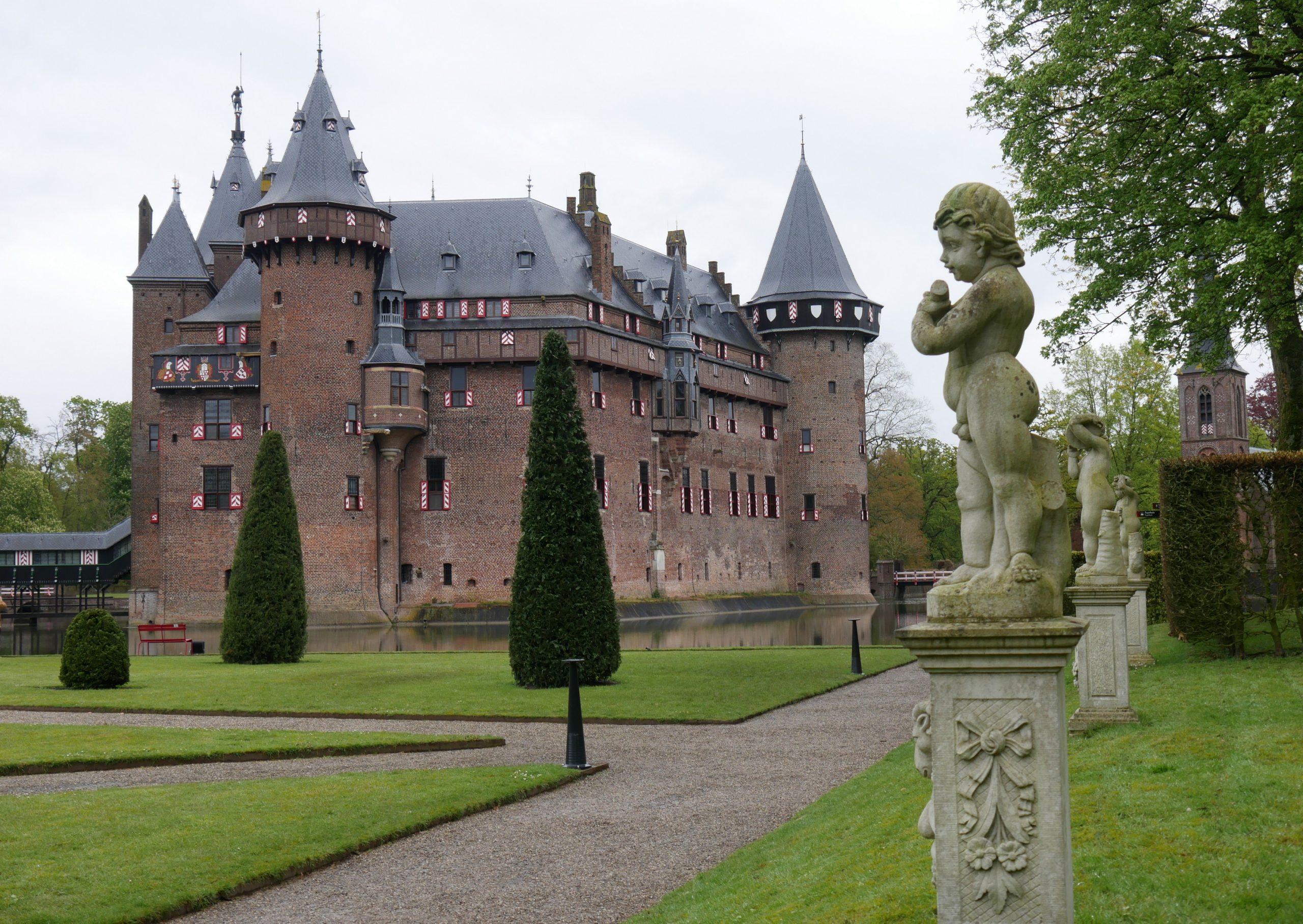
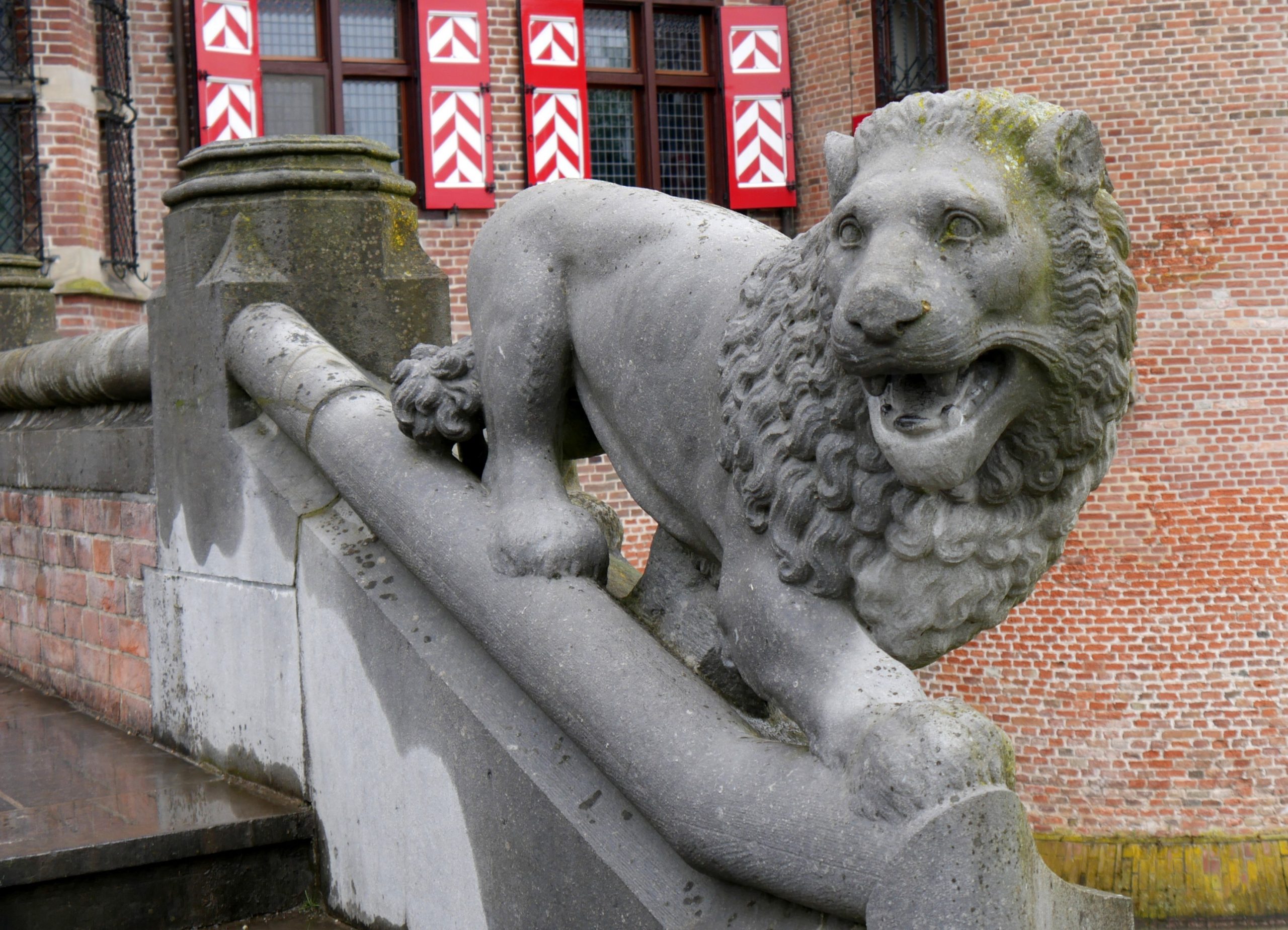
It is the largest castle in the Netherlands and many say the most beautiful. The first written mention of the castle dates back to 1391.
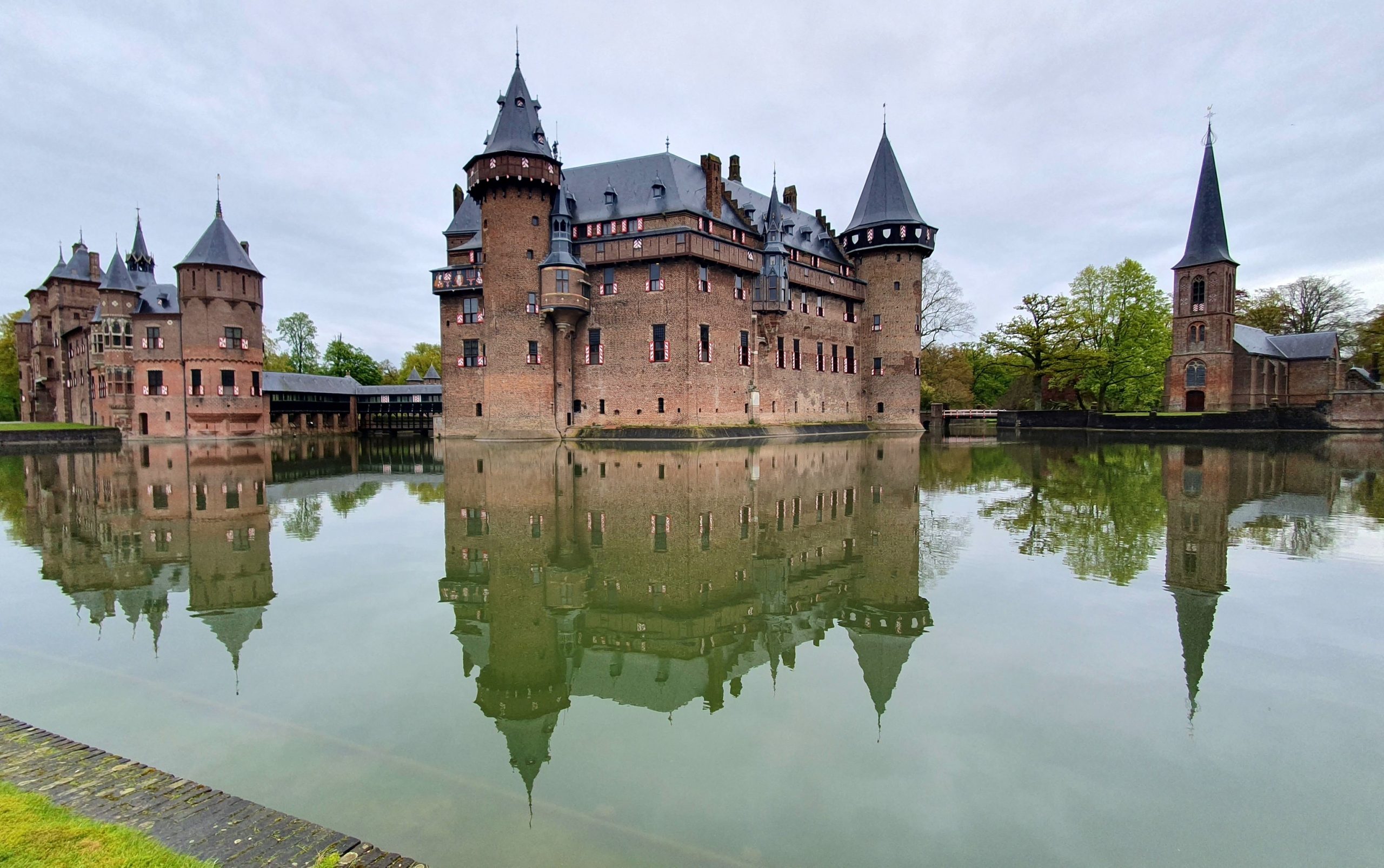
Van de Haar, one of the most powerful men in the country, was a servant of the Prince-Bishop of Utrecht. When Josina van de Haar married Dirk van Zuylen, a descendant of one of the richest and oldest families in Utrecht, the castle became the property of the van Zuylen family. However, the castle was destroyed by various wars and also by the memorable storm in 1674, which destroyed a large part of Utrecht Cathedral.
In the 19th century, the castle was inherited by Baron Etienne van Zuylen van Nyevelt. However, the castle was not inhabited and fell into disrepair. Etienne was a bon vivant, a great enthusiast of cars and airplanes. When he appeared disguised as Hercules at a masquerade ball in Paris, he so charmed Baroness Helene de Rothschild that she decided to marry him in 1887, even though both families were opposed to the marriage. Helene was the heiress to the French branch of a wealthy banker’s family.
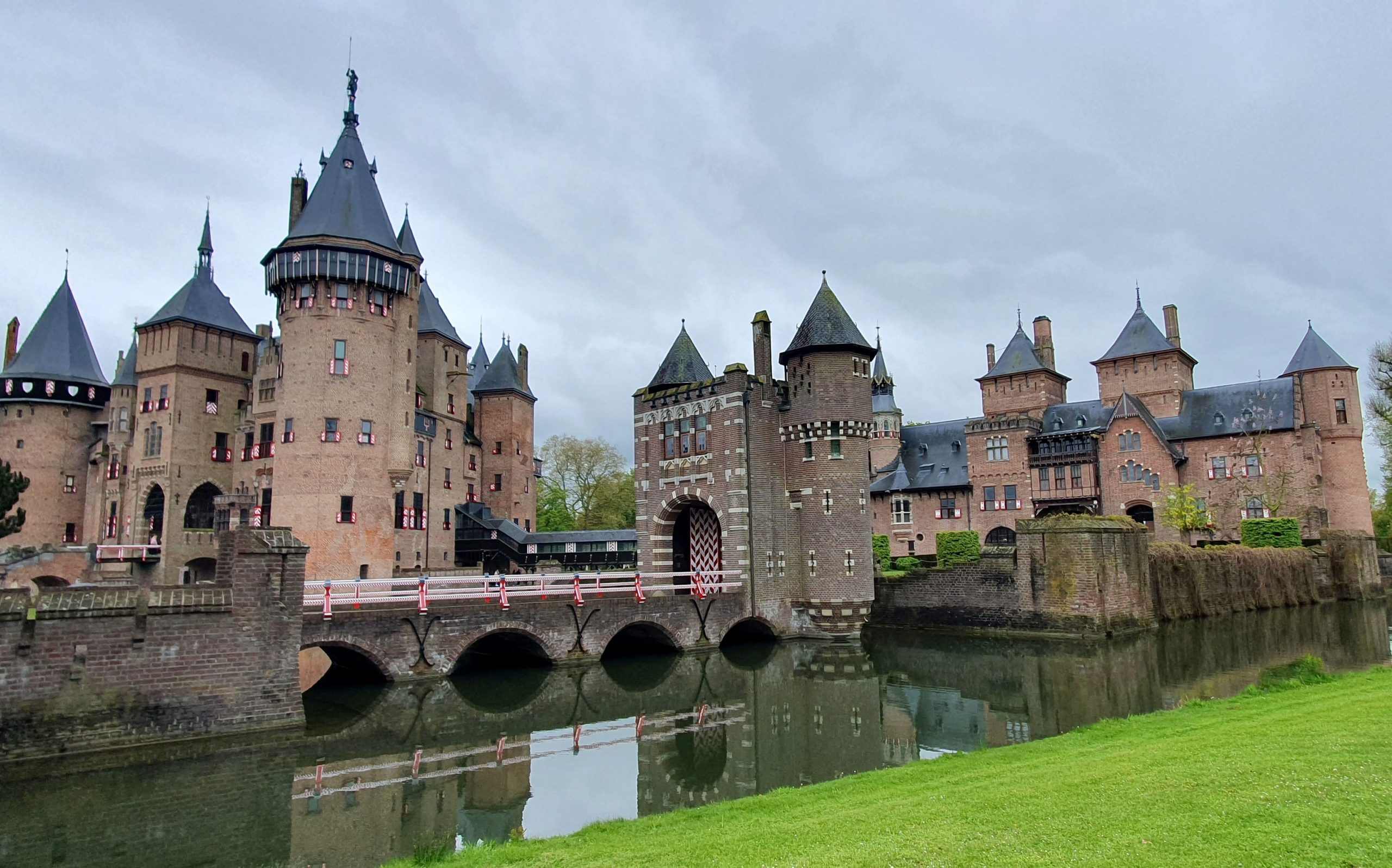
After his marriage, the Baron decided to rebuild the ruins back into a castle and invited the renowned architect Pierre Cuypers (who designed both the Rijksmuseum and Amsterdam Central Station). The Baron’s main wish was that the building should take on the charm of French medieval castles. Cuypers worked on this project for twenty years, together with his son.
Although the couple had no intention of settling here permanently, they had the castle equipped with amenities that many people at the end of the 20th century never dreamed of: hot and cold running water, electricity, central heating and a modern kitchen!
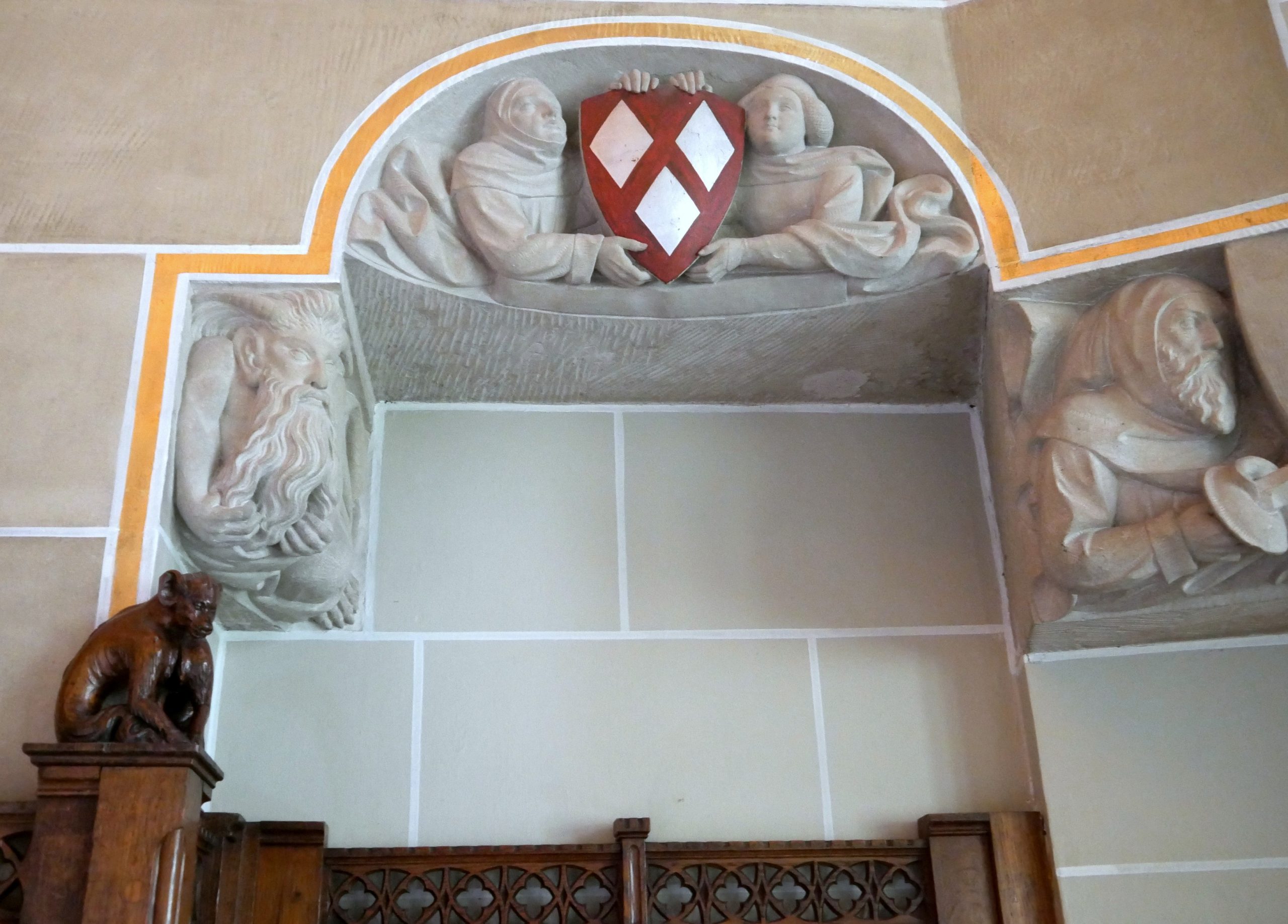
The castle was to form a perfect whole together with the park. The park and gardens were designed by Utrecht-born landscape architect Hendrik Copijn in collaboration with Cuypers.
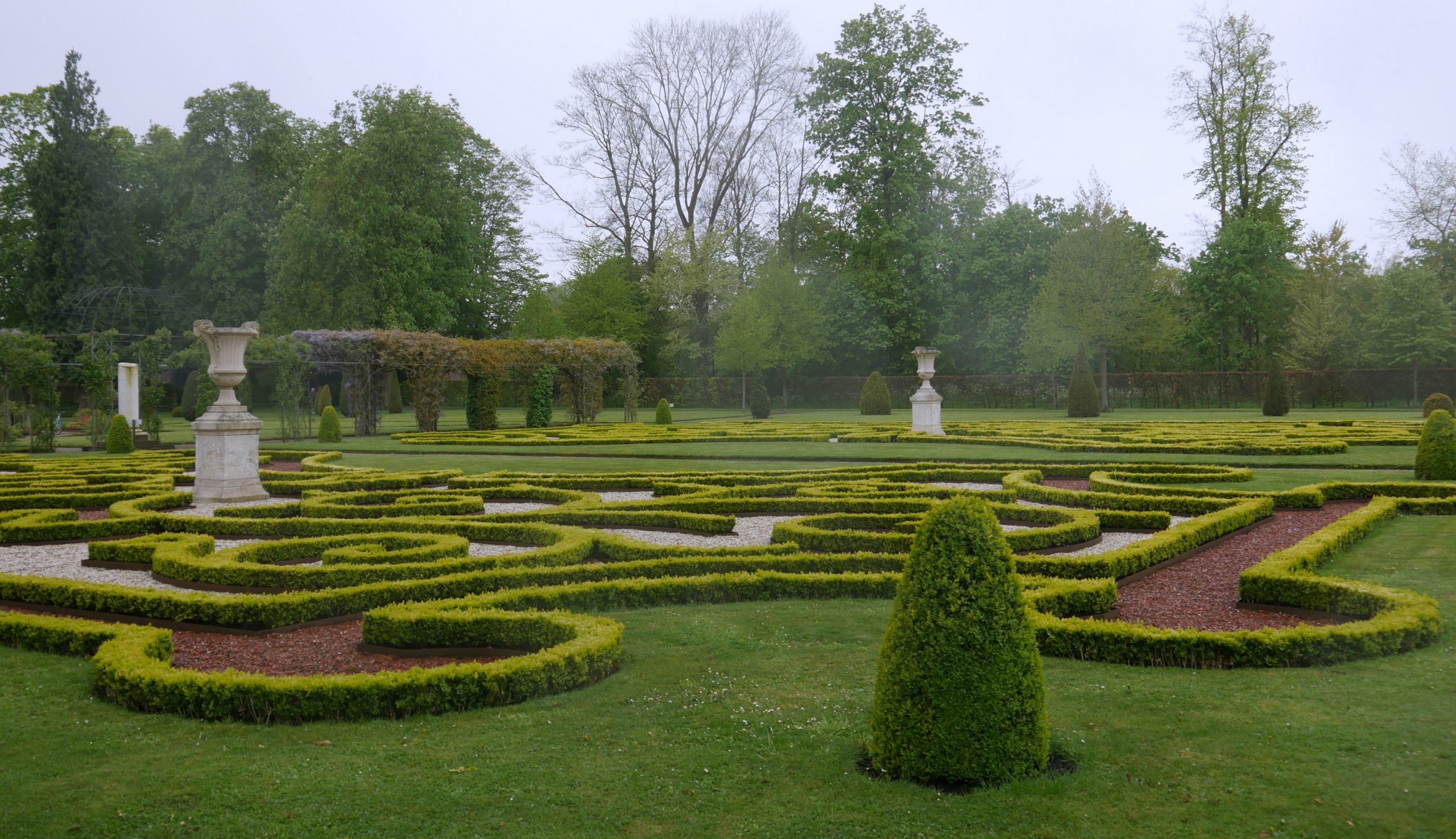
Even today, the park is surprisingly large (55 hectares) and provides a pleasant walk, even in early spring when the weather is not yet very stable and the flowers are not yet blooming in the gardens.
Baron Etienne is said to have wanted to enjoy his park as soon as possible, which is why he had nearly 7,000 mature trees imported on wooden platforms. There are several legends about this. According to one, a house in the centre of Utrecht had to be demolished because the platform had trouble turning a hard corner.
In the 20th century, the castle experienced great fame. Its owner, Baron Thierry van Zuylen van Nyevelt, invited world celebrities like Coco Chanel, Erich Maria Remarque, Maria Callas, Brigitte Bardot… After his death in 2011, the castle was inherited by his five daughters, who still have the right to live there with their families every September.
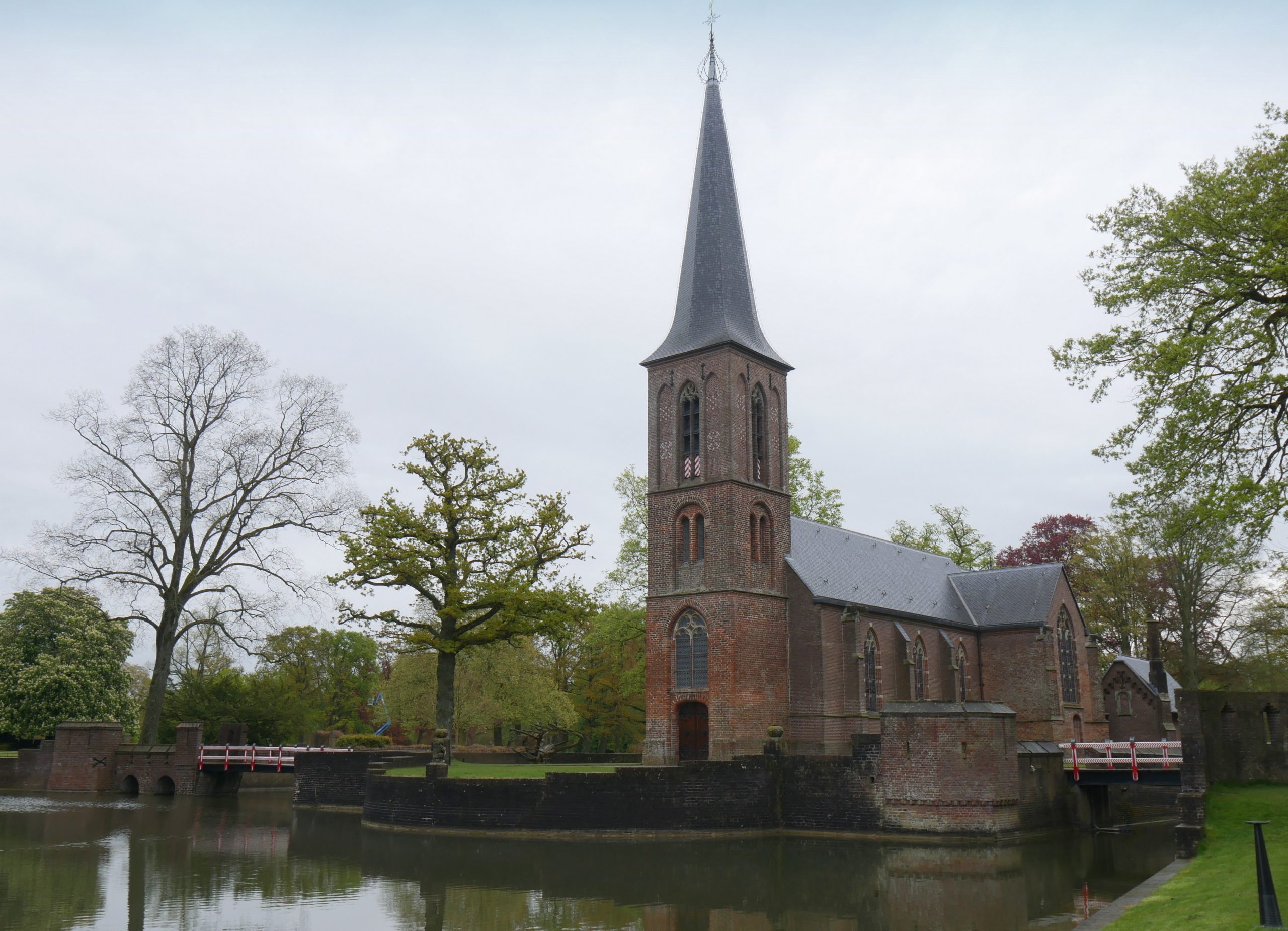
There is also a chapel on the grounds, which can only be used by blood and marriage relatives for special ceremonies.
Practical Information:
Opening hours and ticket prices can be found on the website: Kasteel de Haar
If you only want to visit the park, you need to buy a park ticket (€8 in 2024).
If you want to visit the castle, the ticket price includes entrance to the park.
You also need to pay for a parking ticket (7,50€ in 2024).
All tickets can be purchased: online
There are many steps in the castle, unfortunately, it is not accessible for wheelchairs or people with limited mobility.
The castle is about 30 minutes by car and one hour by train from Utrecht.
2. Slot Zuylen
Before the 13th century, only a few peasants and fishermen lived in this area. When the castle was built, more people began to settle here until the village of Zuylen was founded.
The castle is one of the oldest along the river Vecht. At first, it was just a simple residential tower, then a medieval castle, which was later converted into a French country estate. The French style has been preserved to this day.
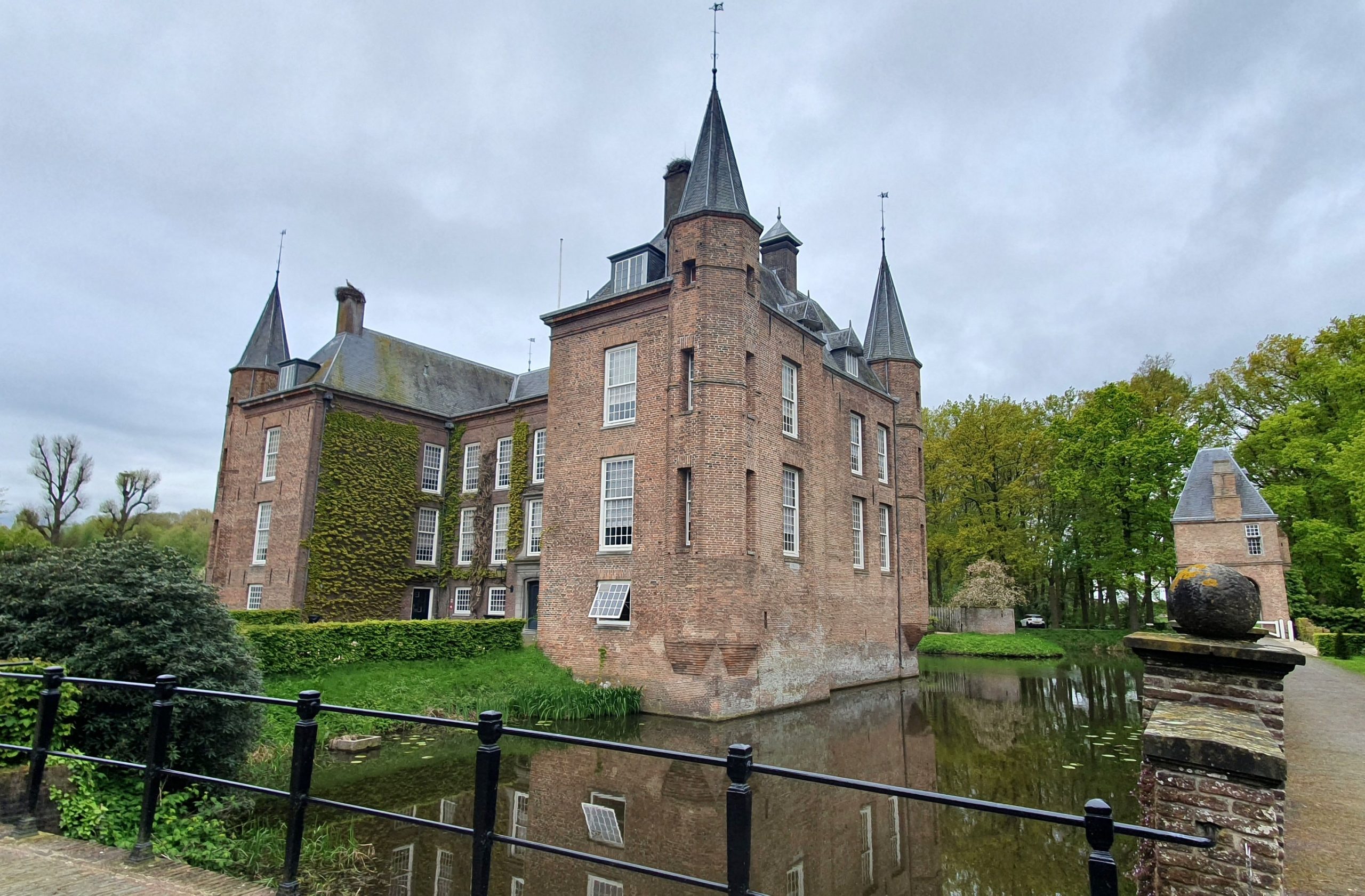
Since 1951, the Zuylen Castle has been a museum where you can see various chambers with original furnishings. Among its most notable past inhabitants was Steven van de Hagen, the first admiral of the Dutch East India Company, and Belle van Zuylen, a Dutch writer from the Enlightenment period in the 18th century, who was born here.
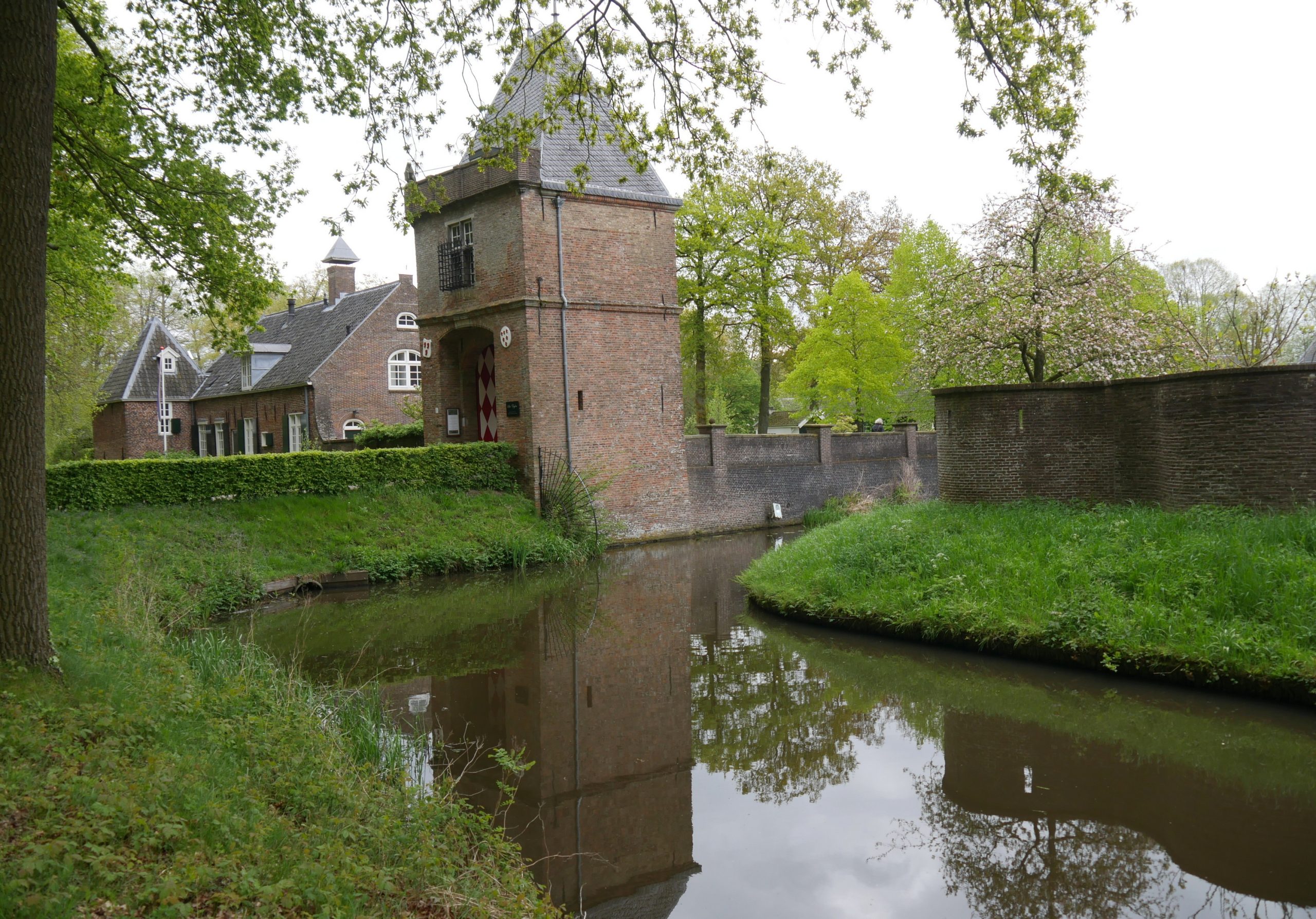
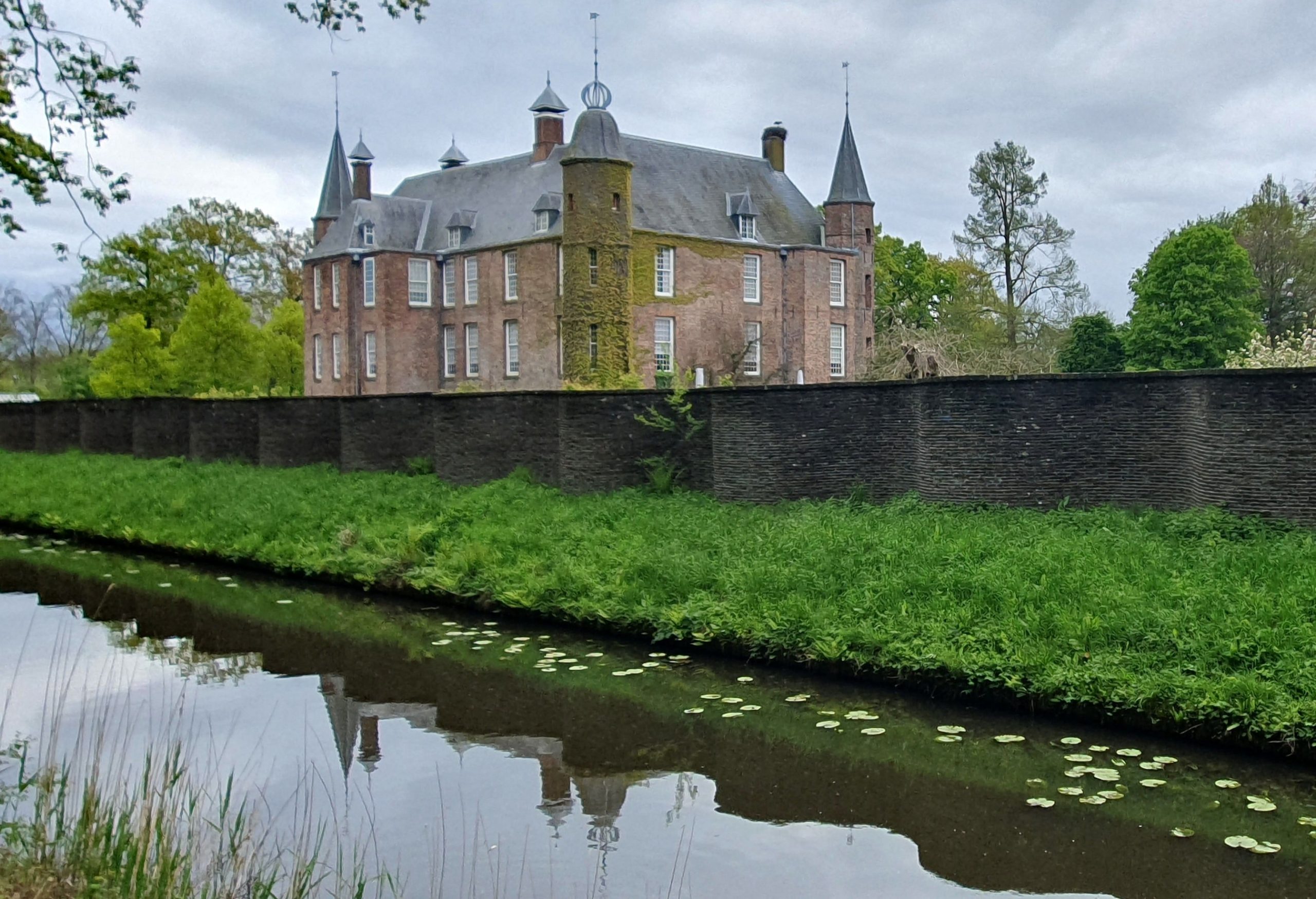
The castle also has a park and a garden of 1.5 hectares. The serpentine wall is interesting. This shape provides better stability and strength.
Practical information:
Opening hours and ticket prices can be found on the website: Slot Zuylen
3. The Largest Pyramid in Europe
One of the biggest surprises for me was discovering a pyramid near a village called Austerlitz, just like a village in the Czech Republic (Austerlitz = Slavkov near Brno)! The connection with Napoleon is not accidental. In 1804-1805, a large military camp was based here to prevent England from invading Holland again. The military detachment consisted of 18,000 French and Dutch soldiers and its commander was a 30-year-old French general, Auguste Frederic Louise Viesse de Marmont. Marmont had been on Napoleon’s expedition to Egypt in 1798, had seen the pyramids of Giza with his own eyes, and was so fascinated by them that he gathered all his troops at the highest point in this area covered with forests and heathland, and together they built a pyramid there.
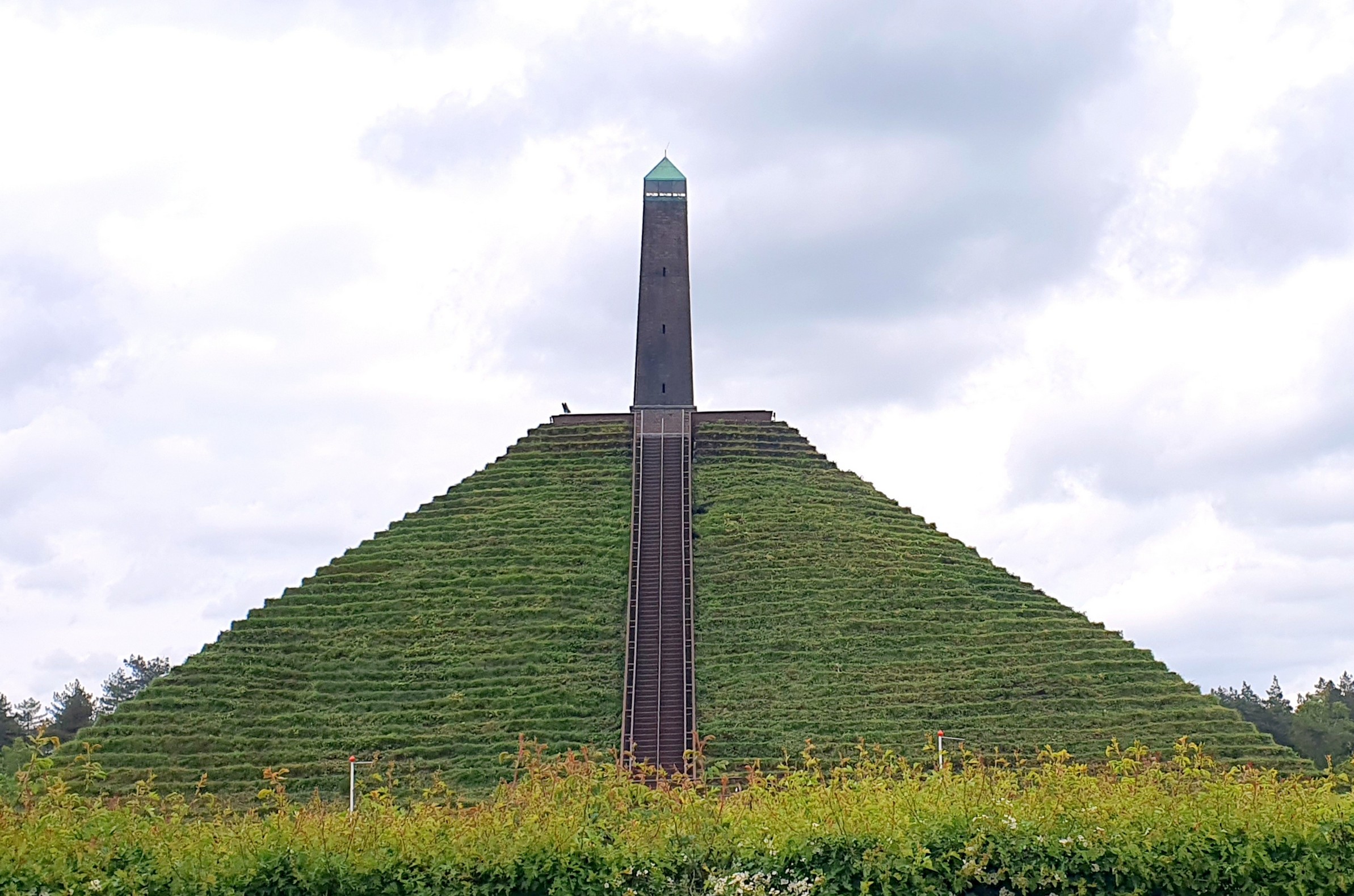
The pyramid is 36 m high, and 30,000 m³ of earth (sand and heather) had to be moved to build it. Everybody built it – Marmont, his generals and all the soldiers. The pyramid was built in 32 days only! A wooden obelisk was erected on top of the pyramid as a symbol of victory and imperial power. Napoleon was crowned Emperor in 1804 and when he won the Battle of Austerlitz in 1806, the Dutch village where the camp was located was renamed to Austerlitz. The wooden obelisk was later replaced by a stone one.
There are 40 steps leading up to the pyramid and the view is certainly spectacular. When we arrived there, the area was closed.
Practical information:
The opening of the grounds depends not only on the time of year and the weather but also on volunteer workers. There is an entrance fee (€3.50 in 2024) and payment is only possible by card.
For up-to-date information, please visit the website: Pyramide van Austerlitz
The pyramid can be reached on foot from the car park on the road between Zeist and Woudenberg. From the car park, it takes a few minutes. There is also a café and a small playground for children.
Extra Tip:
I originally wanted to put 4 tips here. In the Netherlands, you can still find forts and bunkers that were part of the defensive line. The main principle was flood defence, whereby the Dutch army would withdraw to the area around Amsterdam.
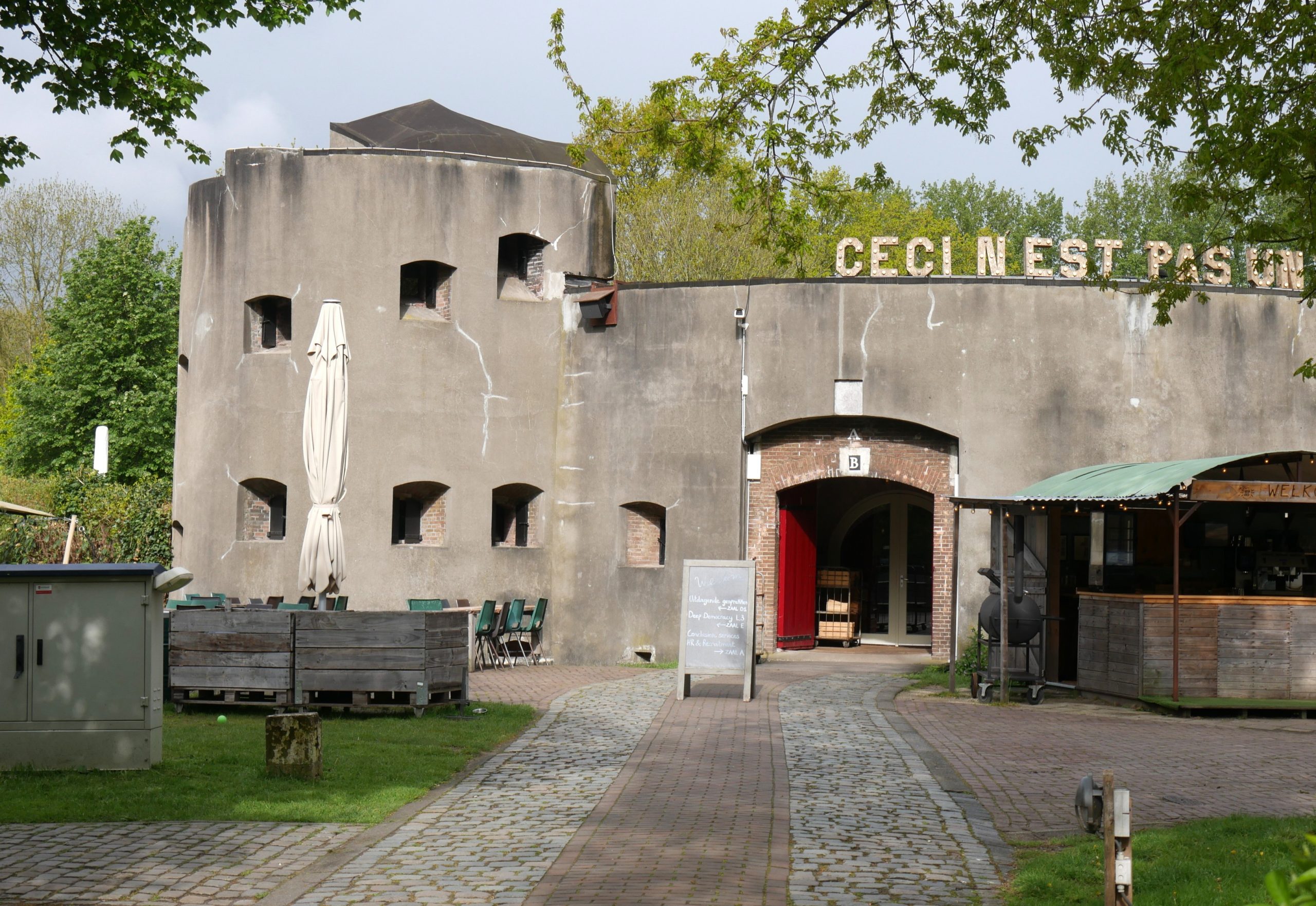
Fort aan de Klop (the present-day Overvecht District) was part of this defensive concept and was intended to be used for the defence of Utrecht. It was built between 1850 and 1852 and was put on alert three times in the past, but was later used as a storehouse. Today, the former artillery room has been converted into a café and can also be used for overnight stays.
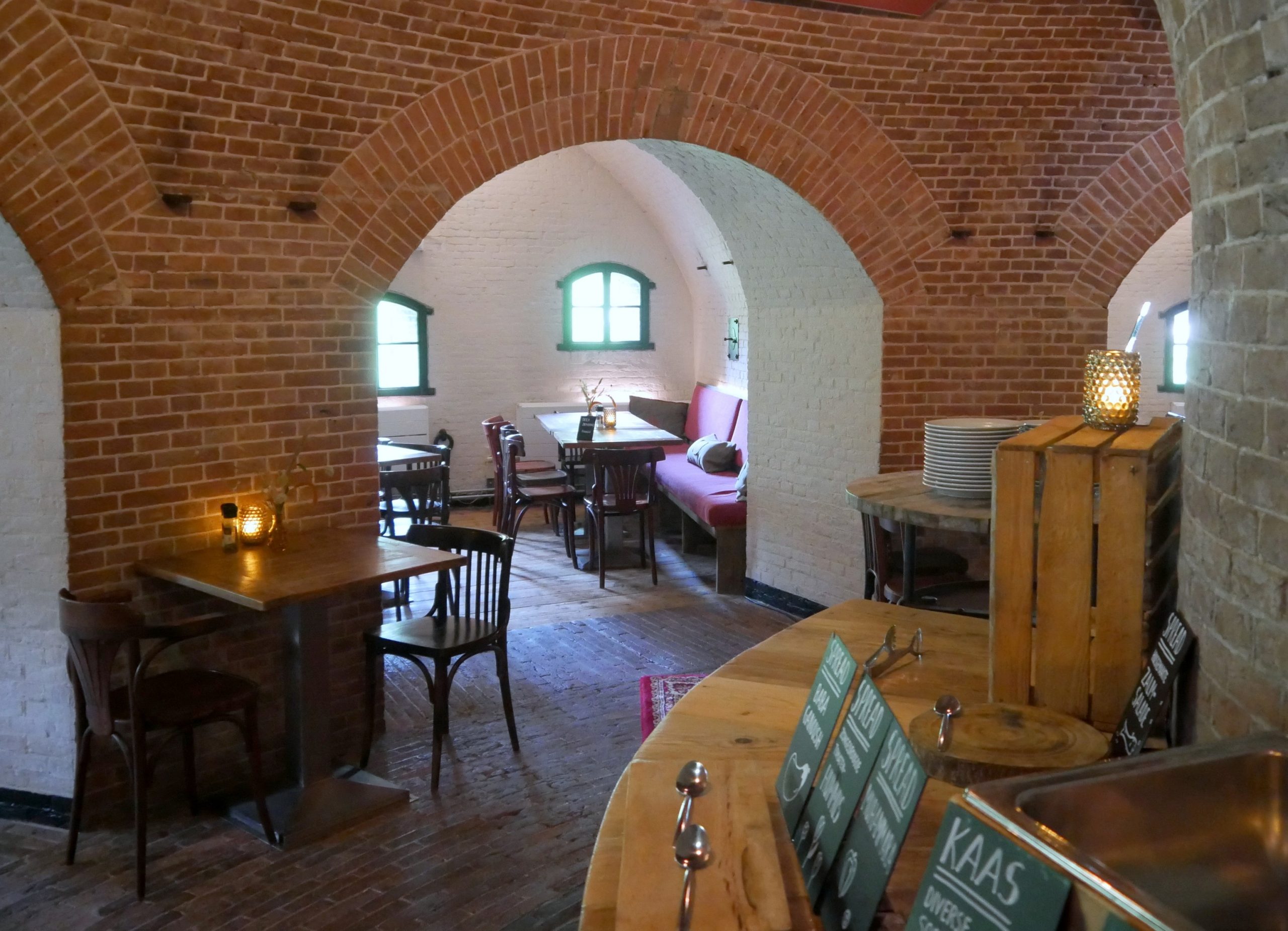
At the time of my visit, however, the restaurant was closed as preparations were already underway for the birthday celebrations of the Dutch King.
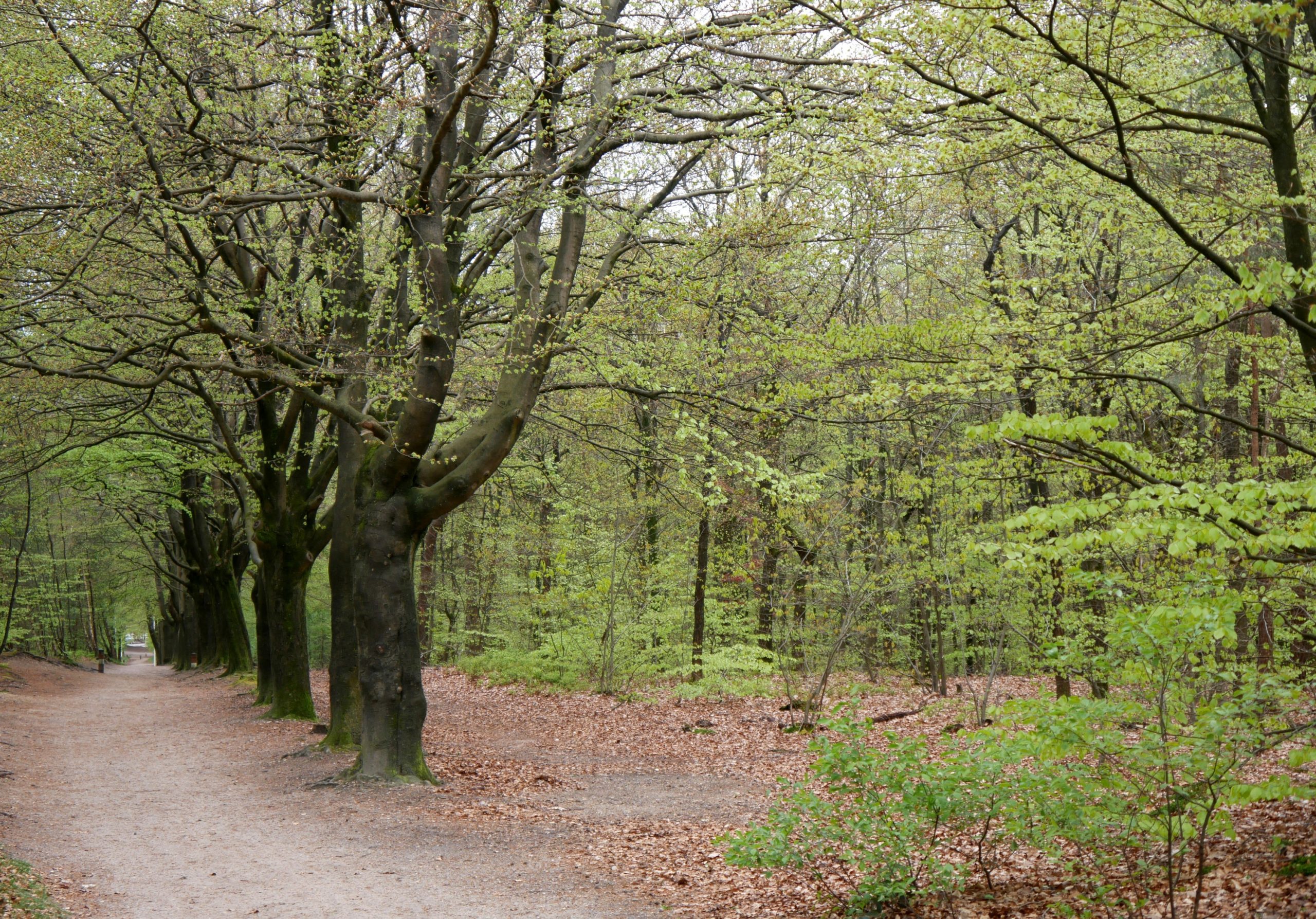
It didn’t matter; at least we got to take a break from the busy city and had a nice walk in the awakening and peaceful nature.
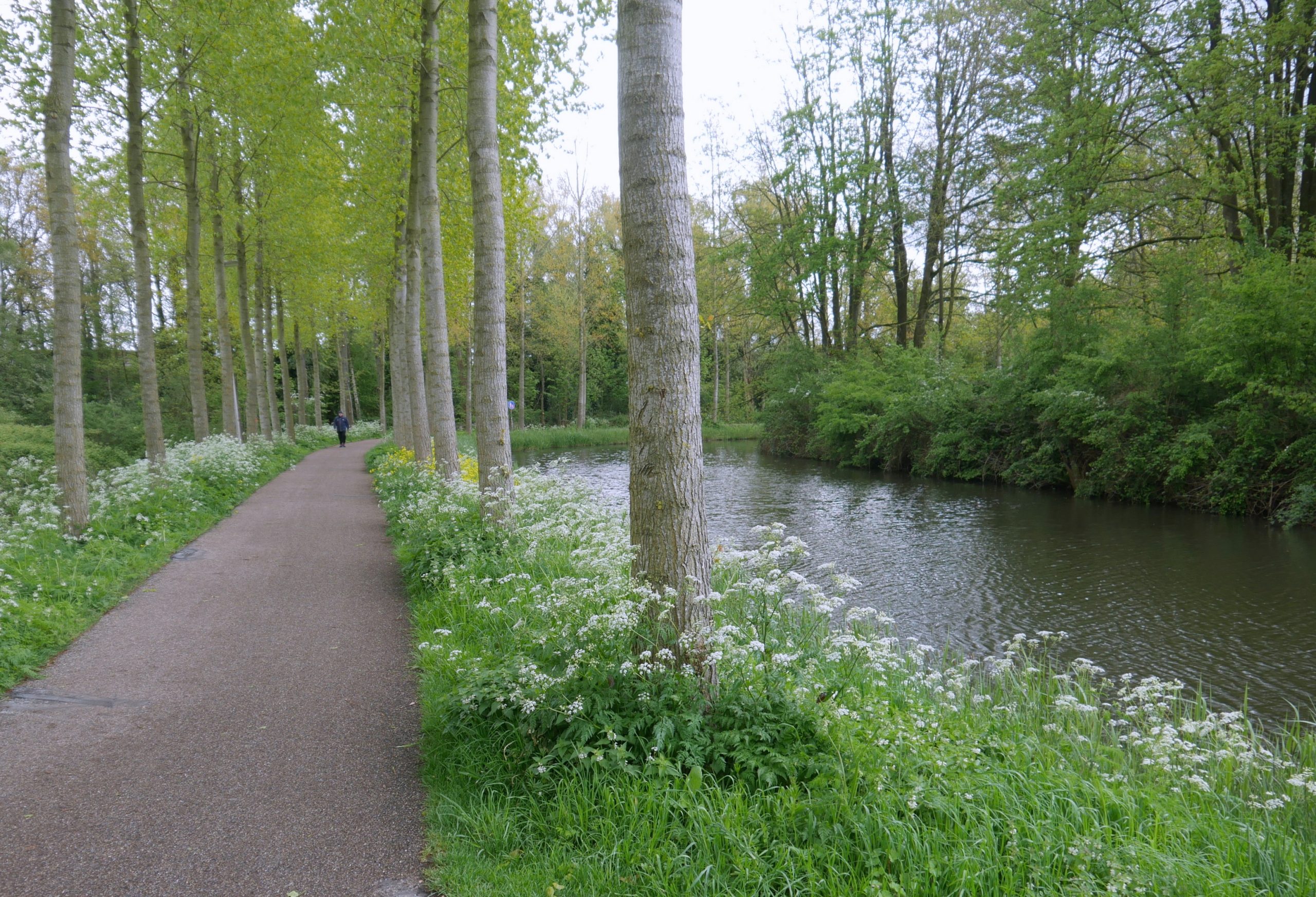
If you are interested in visiting this place, you can find more information here: Fort aan de Klop
Text: © Copyright Ingrid, Travelpotpourri
Fotos: © Copyright Ingrid, Travelpotpourri